
Right to Vote, Not A Fundamental Right, Quotes SC
Is Casting Vote a privilege or a Constitutional Right. SC reaffirms that the right to vote and contest elections are statutory and not fundamental rights, subject to legislative conditions
SYNOPSIS
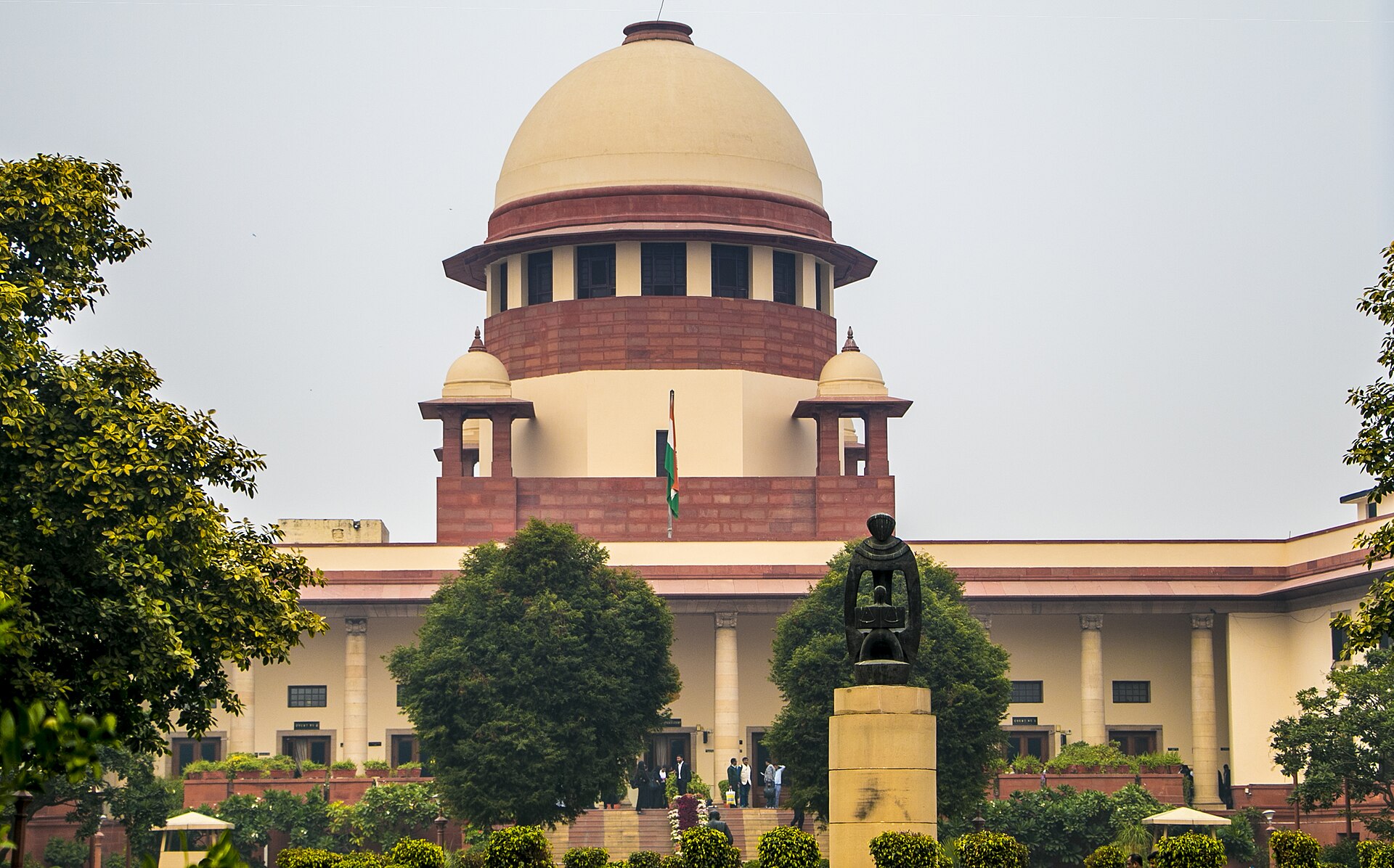
In a decision by Justices BV Nagarathna and R Mahadevan in April 10, the Supreme Court stated once again that the right to vote as well as the right to dispute elections are not fundamental rights established by the Constitution. The bench quashed a Rajasthan High Court order which had invalidated cooperative union bye-laws prescribing conditions of eligibility of candidates.
Democracy's Fine Print: What the Supreme Court Just Clarified
Millions of Indians make use of what they instinctively consider a constitutional birthright every election season the right to vote. But the Supreme Court has made another, and this time perhaps more definite, difference: the right exists because the statute says it exists, rather than because the Constitution has guaranteed it unconditionally.
In Brief– The Ruling
A bench of Justices BV Nagarathna and R Mahadevan gave a sharp rebuke to settled constitutional law when hearing an appeal against an order of the Rajasthan High Court on April 10. High Court had invalidated bye-laws as drafted by District Milk Producers Co-operative Unions which stipulated eligibility requirements on candidates seeking to contest an election to manage their own committee.
The Supreme Court dissented - both procedurally and substantially
Statutory, Not Fundamental The Court restated a long-established principle of Indian jurisprudence: the right to vote, the right to challenge an election, is not a fundamental right; they are entirely statutory in nature, and created by statute to the extent that they exist. These rights in simple language are made by law, that is, they may be granted, fashioned and controlled by the law. They are not based on Part III of the Constitution, which provides basic rights, which can be taken directly against the State.
In What the High Court Went Astray
The Supreme Court saw a two-fold mistake in the approach of the High Court. The writ petition ought not to have been entertained in the first place, as the Rajasthan Co-operative Societies Act has a dispute resolution mechanism in place. Second, the High Court had made a legal mistake in applying, on merits, the conditions of eligibility as disqualifications - a matter of law.
The qualifications specify the eligibility criteria; the ineligibility criteria specify who is ineligible. This confusion of the two, as the Court said it was, was a gross misunderstanding of both the bye-laws and the governing statute.
Implications Beyond Cooperatives
Although the case emerged in a small scope of dairy cooperatives management, the decision reverberates on a larger scale. It strengthens the powers of the legislature to lay down qualifications of the taking part in elections- be it in cooperative organizations, be it in municipal institutions, or be it in panchayats- without such a condition being declared unconstitutional.
The case is an indication that the courts have to be cautious when statutory remedies are available, and not succumb to the lure of considering all electoral grievances as constitutional torts.
The Greater Democratic Question
The decision does not in any way reduce the moral or democratic value of voting, but merely finds the legal basis of it in the right place. Electoral rights are still in the custody of parliament and state legislatures. What they bestow, they can also control, provided that such control is within constitutional limits.
Kapil Sibal, the senior advocate of the petitioners, and the Additional Advocate General Siv Mangal Sharma, the State. The right to vote can be inalienable in a democracy, but the Court reminds us that rights which are not rooted in statute are, in the law, rootless rights.
Latest News
- ◆Delhi Police Detain 100 With Criminal Records Before Protest
- ◆Contempt Plea in Supreme Court Over Delhi Transit Shutdown
- ◆Jantar Mantar Protest: Permission Denied, Curbs Imposed Across Delhi
- ◆Delhi Police Detain CJP Founder, Top Leaders Before Protest
- ◆Dhruv Rathee Detained Ahead of Jantar Mantar Protest in Delhi