
₹994 LPG Hike Squeezes the Street Food Economy
A 42% surge in commercial LPG cylinder prices delivers a body blow to small eateries, leaving vendors caught between rising costs and price-sensitive customers
Synopsis
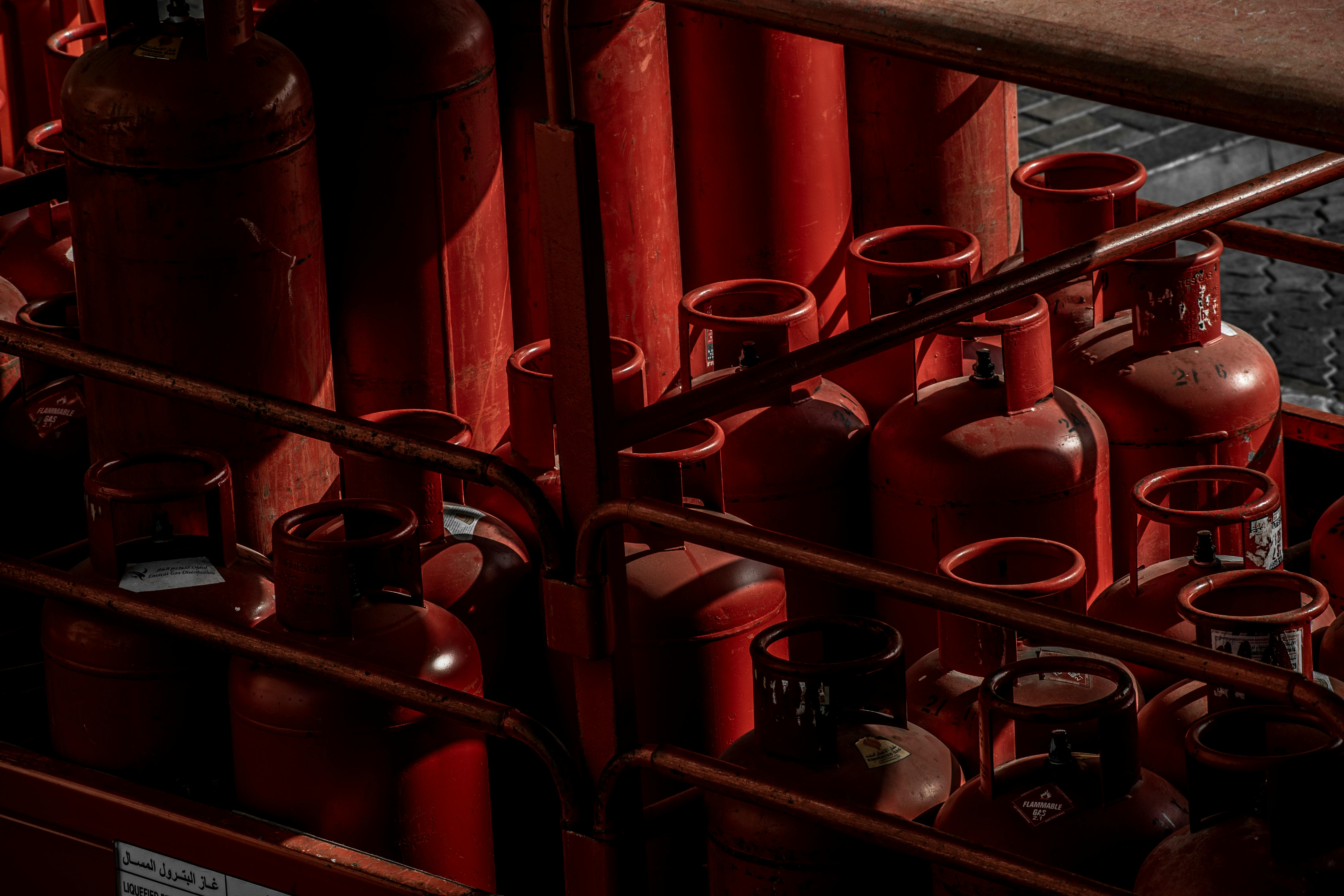
Hyderabad's food cart and small restaurant vendors are reeling after a May 1, 2026 price hike of ₹994 in commercial LPG cylinders. Amidst tight-margins and black-market sourcing, traders call the hike potentially untenable - jeopardising an industry that serves thousands of hungry people.
42% Spike in Commercial LPG Puts Hyderabad's Food Street on Alert
One announcement. One morning. And for scores of small restaurants in the city of Hyderabad, the maths of running a business changed overnight.
The vendors who run food kiosks and restaurants across the Yellareddyguda, Ameerpet and Sri Nagar Colony belt in Hyderabad, a hub of hostels, paying guest houses, IT college students, service sector workers in the gig economy and informal sector jobs, awoke to a story on May 1, 2026, about a ₹994 increase in the prices of commercial liquefied petroleum gas cylinders. The response was a combination of consternation and resignation.
The Food Vendor's Dilemma: On the Back Foot Before the Hike
For many of the small food vendors along this stretch, the official cost revision is not the start of their cost woe - it is a culmination of months of cost pains.
"Maa rojulu ochai animata," said Usha Rani, who operates Om Sai Ganesh, a local food shop which provides idly, vada and snacks in the morning rush. This Telugu expression translates as: it's all over for us.
Her worry stems from a buying reality that comes before the official announcement. "We are already purchasing it in the black market, at around ₹6,000 to ₹6,500," she said. "It will be more expensive with the government's announcements." Rani said she had increased the price of idly from ₹30 to ₹35 in March. "Now, it will be difficult to increase the price again," she added.
Customers' Price Sensitivity Constrains the Upswing
The location of this food belt affects the economics. The demand - IT students, delivery boys, maids - is not protected from inflation either. This poses a problem for vendors: costs are going up, but their customers can't afford to pay more.
Hari Charan, the owner of Rao Gari Kitchen in Yousufguda, summed up the problem. "This is a price sensitive market. We cannot raise our curry prices (much) though the gas price has increased by more than 40%. I don't know what to do," he said. Behind his counter, a poster from March 12, 2026 - a price revision advertisement - is still on the wall as a reminder of how often prices change.
Charan said he also gets his supply from a private broker. "We are buying LPG cylinders for ₹6,500 from the broker who is giving us as many as we want. Now he will raise the price as the official price has been hiked, to maintain his margin," he said.
Previous Disruptions a Bad Omen
The May 1 price hike is not the first such disruption to Hyderabad's food markets this year. A previous price spike and shortage prompted some restaurants on the Kukatpally food street in KPHB Colony to close shop for almost a week. Several commercial outlets switched to wood-fired cooking, which is both environmentally and legally problematic, due to the inability to access cylinders on a regular and affordable basis.
The latest revision, according to vendors, could lead to a similar outcry on a larger scale. Significantly, domestic LPG cylinder prices were not changed this time, reducing the cost burden on households but leaving the commercial sector to absorb the full cost.
A Weak Link in the Food Sector
The incident highlights a part of the urban economy with a low margin for error. Small food vendors - the shacks, tiffin centres and roadside kitchens that feed millions of Indians every day - are at the crossroads of fuel dependency, price elasticity, and informal supply chains. The informal procurement reported by Rani and Charan is no exception; it is a symptom of a disconnect between government allocation and commercial needs.
In the meantime, the vendors say they will try to keep prices steady - for as long as possible.
Latest News
- ◆NSE's $2.3 Billion IPO Draws Over $10 Billion In Bids
- ◆India-New Zealand Free Trade Pact To Take Effect October 20
- ◆Tata Group Governance Feud Deepens Over Chandrasekaran's Term
- ◆India Reaffirms Push For Constructive Ties With Bangladesh
- ◆Teen Gang-Raped Near Delhi Temple, One Suspect Held In Encounter