
Cockroach Party Warns Centre Over FIR Delays
CJP threatens nationwide action as Centre stalls on withdrawing protest-related cases, even as Supreme Court weighs its Article 142 powers to quash FIRs
Synopsis
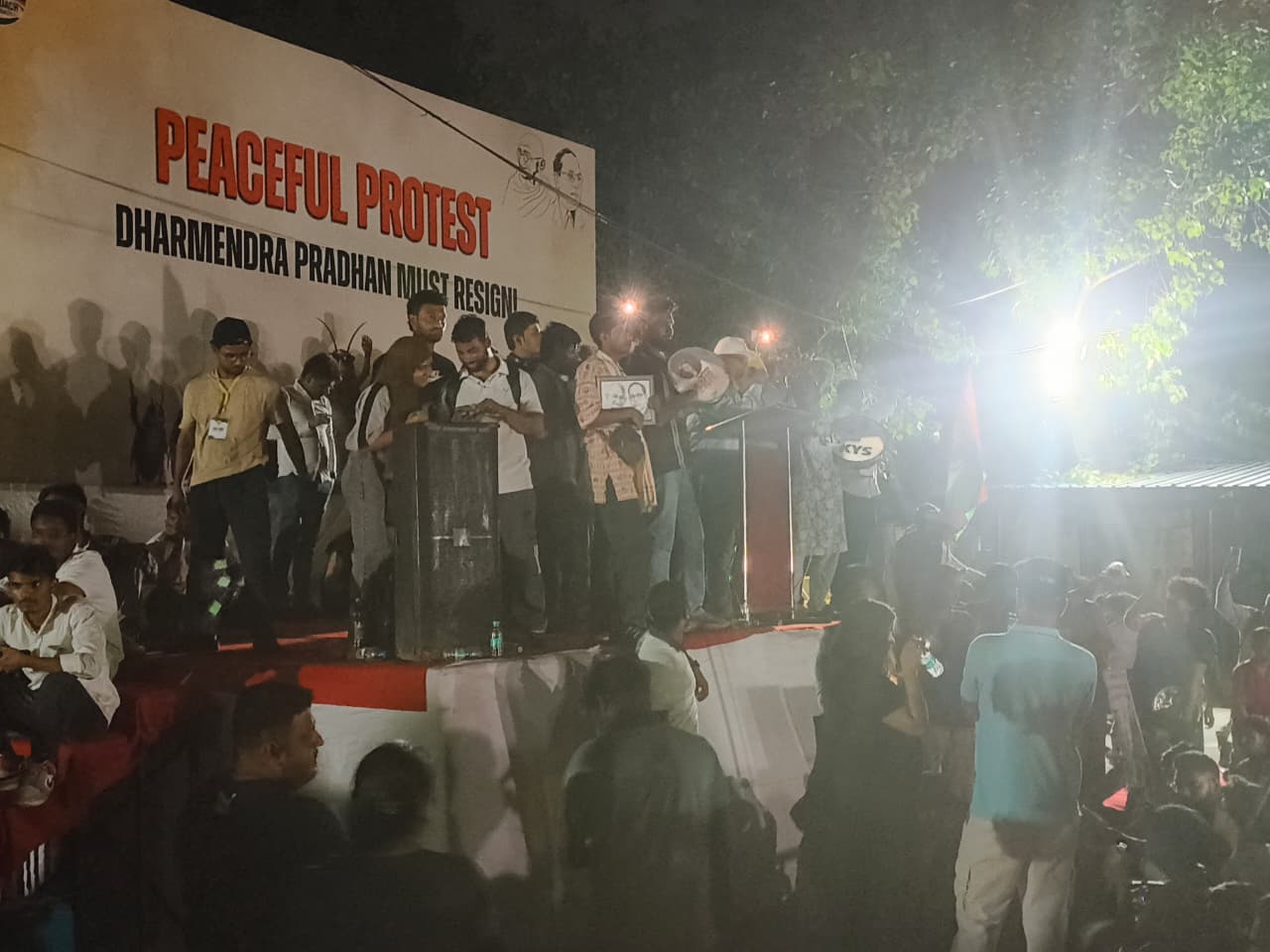
The Cockroach Janta Party has threatened "nationwide action" against the Centre within two days for its standalone FIRs filed against protesters who staged a protest march on Parliament on July 20. The Supreme Court, which has heard petitions against police excesses, is considering invoking its Article 142 special powers to quash the cases and has mooted a high-powered committee to probe the violence.
Centre warned by Cockroach Party about FIR delays
The Cockroach Janta Party (CJP) has alleged that the Centre has been sitting on one central promise to resolve the standoff with nearly a month since it dissolved one of the biggest youth-driven demonstrations in recent Indian history, which was against the withdrawal of criminal cases involving thousands of student protesters.
CJP chief spokesperson Saurav Das spoke outside the Supreme Court on Tuesday, stating that the court had requested the Union government three times to provide it with a list of FIRs lodged against protesters, before it could consider quashing the cases in a single stroke of its pen under Article 142 of the Constitution. Das said the government's counsel refused to agree to supply the list, and campaigned against it.
The July 25 Bargain
This agitation, which was later transformed into a protest juggernaut by CJP, that had summoned a sit-in to protest against Chief Justice of India Surya Kant's remarks likening some of the youth who can't find jobs to "cockroaches," had called off its agitation on 25 July during which the Centre had pledged to withdraw FIRs, prevent the protesters from being subjected to punitive action and compensate affected families.
Das said that goodwill is wearing thin. The Cockroach Janta Party is slated to hold its National Working Committee in the next two days to determine next steps for nationwide action if the government fails to take any concrete measures to fulfil its pledges of July 25, he stated while speaking with reporters.
CJP legal affairs director Ratna Singh said they last met with the government delegation on 2 August, after which a lawyer-approved draft was provided to the authorities, but no meeting was scheduled since then.
Court's Widening Scrutiny
The petitions filed by students who were injured during the march on 20 July to Parliament are being heard by senior advocate Vrinda Grover. The Centre has no reason to object to invoking Article 142, because it had agreed to the demands of the protesters in the past when the agitation was withdrawn, Grover had told the bench.
The court has gone further than the FIR question, and is now calling into question the very process of the crackdown itself. The Supreme Court has decided to form a high powered committee of a former Supreme Court judge, former High Court chief justice and a seasoned retired police officer to fill up the missing records pertaining to allegations of police excesses, violence on police personnel, sexual assault and online harassment of women protesters. Das is asking CJP to join this panel.
He also voiced a new worry: surveillance. There are a number of constitutional issues with the facial recognition technology: It can be misused. I believe safeguards should be put in place, and I hope the court looks at what type of monitoring of protesters, if any, is constitutional," Das said.
What Comes Next
The path of the matter is going to be dictated by two parallel tracks: One being whether the Centre provides the court, that has sought the FIR list repeatedly, and the other whether the proposed committee starts functioning with credible and independent members.
The court had earlier clarified on 3 August that states would be free to close or drop FIRs against protesters, following the confusion over previous order dated 28 July. That transparency will drive the next two weeks of the most visible youth protest in India in more than a decade, and whether the CJP will act on its threat is the next big question.
Latest News
- ◆Case Filed Against CJP Supporters over Unauthorised Shivaji Park Gathering
- ◆Israeli Strike on Gaza City Apartment Block Kills Five, Officials Say
- ◆India's Forex Reserves Fall $18.3 Billion in Record Weekly Drop
- ◆Kharge Urges Modi to Release ₹3,705 Crore Drought Aid for Karnataka
- ◆Voter-Roll Protests: Delhi Police Detain Hundreds, Register Three FIRs