
Heat Above 47°C, Diet Coke Runs Dry Across India
A brutal May heatwave and an aluminium can shortage born of the Strait of Hormuz closure converge to redefine summer hardship for millions of Indians
Synopsis
India's May 2026 heatwave has pushed temperatures to 47.6°C in parts of Uttar Pradesh, exposing tens of millions to dangerous heat conditions. Simultaneously, the ongoing closure of the Strait of Hormuz has choked the global supply of aluminium — triggering a shortage of Diet Coke, sold exclusively in metal cans in India. The convergence illuminates how distant geopolitical crises translate into immediate domestic consequences.
How long can you live without an enemy?
In the afternoon the roads have emptied out. Schools have shuttered early. Some farmers have come up with the idea of working on their fields before dawn in villages of farming areas in Uttar Pradesh when the ground is warm from the previous night's heat but the sun has not yet reached its maximum intensity. India's summer of 2026 is not only hot, it's an extraordinary one according to meteorologists and climate scientists.
The highest single-station maximum temperature for the year so far was 47.6°C recorded by IMD at Banda, Uttar Pradesh on 21 May 2026. The same day temperatures at Delhi's Safdarjung observatory reached 43.6°C while the night temperature was the warmest night time reading for the capital in 14 years. In northwest, west, central and north peninsular India, the maximum temperature has been in between 40°C to 47°C during the third week of May.
Climate Science Weighs In: This Is Not Random
In late May 2026, a study by ClimaMeter revealed that the April heatwave occurred in a climate environment that is now 2°C warmer than the equivalent events in the past decades, an effect directly caused by human-induced climate change, mostly due to fossil fuel combustion. During the peak of the episode, the study projects that about 44 million people and $341 billion in economic activity were at risk from exposure to hazardous heat.
Large parts of Rajasthan, Delhi, Haryana, Uttar Pradesh, Vidarbha, Odisha, Bihar, Chhattisgarh, Madhya Pradesh and Telangana have been put under a heat wave warning by IMD. On 22 May, all of the 50 hottest cities on the world list compiled by AQI.in were in India—a statistical coincidence that sent shivers down the spines of scientific circles.
The Diet Coke Paradox: War in the Gulf, Empty Shelves in Delhi
But Ishika Gupta, who drinks Diet Coke regularly in Delhi, did not find it in her regular corner store, nor a supermarket, nor even the fancy grocery store that she went to in desperation. She is not alone. Diet Coke can be found only in the haves, and in some urban centres across India, even the ones with cans are becoming few and far between and so some bars and cafes are offering themed 'Diet Coke parties' for an entry fee, which social media sources are already dubbing 'Diet Coke parties'.
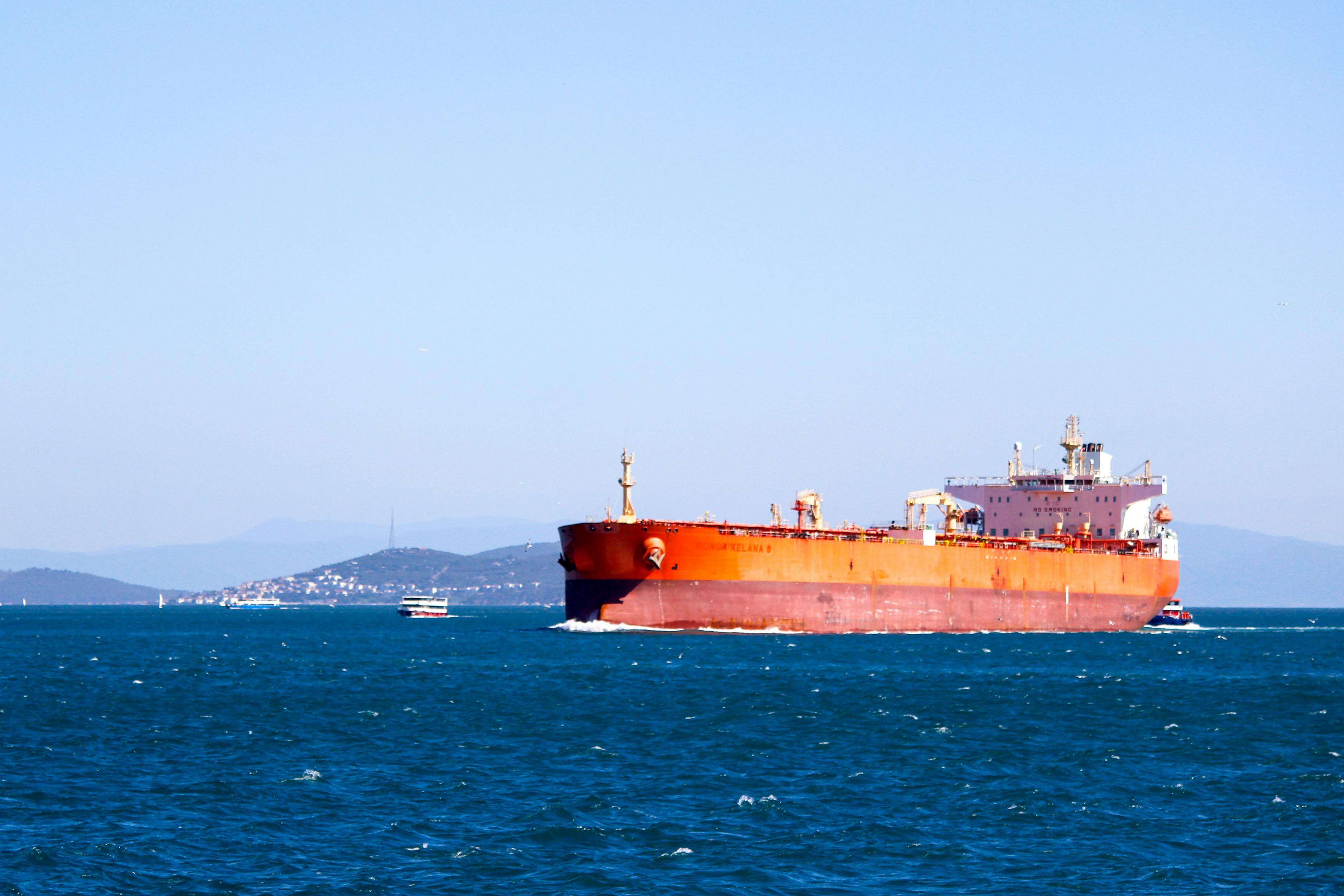
There is a definite and traceable reason for the shortage. Unlike most markets, Diet Coke is sold only in aluminium cans in India. This leaves India in a unique position to be affected by any problem in the global Aluminium supply chain. However, the world has been experiencing such a disruption since the Iranian closure of the Strait of Hormuz on 28 February 2026.
The Aluminium Link: From the Gulf to the Can in Your Hand
Aluminium production in the Middle East is about 9 per cent of the world's production — and about one-fifth of its supply outside China. Aluminium smelters in the Persian Gulf had been supplying Asian makers of beverage cans. Those exports came to an end when the Strait closed.
In a further blow on 28 March, Iranian strikes damaged large smelting plants in the Gulf, eliminating an estimated 1.6 million tonnes of capacity a year — including the Al Taweelah plant operated by Emirates Global Aluminium and Aluminium Bahrain's primary production plant.
The price on the London Metal Exchange has jumped by 14-20 per cent since the end of February to over $3,557 per tonne. Combined with the higher input costs already faced by can manufacturers, the reduced supply and increased prices has driven output rationing. Coca-Cola did not comment on the shortfall, but distributors told Reuters the shortage was "not being met.
A Precursor to Wider Supply Strain is the sequel to Beyond Diet Coke.Beyond Diet Coke is the sequel to A Precursor to Wider Supply Strain
While the attention grabber of the Diet Coke shortage, it's not indicative of a much bigger stress in the global supply chain, analysts warn. Prior to the war the Strait of Hormuz was transporting two-thirds of the world's oil, about 30 per cent of the world's fertiliser trade, as well as substantial quantities of plastics, synthetic apparel fibres, naphtha and petrochemicals.
Commodities analyst Natasha Kaneva at JP Morgan noted last week that world oil stocks may be at ‘operational stress levels' by the end of June 2026 in OECD countries, “before that could change”.
The impact reaches markets as far afield as Tokyo, Japan, where snack maker Calbee plans to temporarily re-design its packaging to black and white from 25 May in response to lack of naphtha — the petroleum-based solvent that is incorporated in its inks and dyes. Indian beer makers are also caught between the horns of the dilemma. In three months, the can of beverage has evolved into a small and strong reminder of the fragility of world supply chains. The economics of heat and the health impacts of extreme heat.
The heatwave is a double whammy for India's public health system
The number of hospitalizations for heat cramps, syncope and heat stroke (body temperature of ≥ 38°C with neurological symptoms) is increasing in northern and central India. The authorities in New Delhi have created temporary 'cooling zones,' but the ability of these centers to provide relief for most vulnerable people, such as outdoor workers, elderly people without air-conditioning, and daily-wage workers, is limited.
Markets and roads are emptying in the early morning and late evening hours, as business in north India is conducted during the hours when trading is heaviest in the capital, The Washington Post reported. Farmers and construction workers not able to halt work completely are adjusting schedules to be more in tune with the night time cycle, but it remains to be seen how this will affect agricultural and industrial production in the long run.
From an article in the Guardian, 10th October 2016:
In the final week of May 2026, India is facing three stress events – a heat wave, escalating fuel prices due to the same conflict that had disturbed the Hormuz, and a scarcity of a commodity in its minute trivia that embodies the working of a profoundly connected global economy. The pressures either ease or don't ease, and that will to a large extent depend on what occurs in the diplomatic lines between Washington and Tehran in the days ahead.
Latest News
- ◆Indian Government Rejects Musk’s Claim ‘Oligarchs’
- ◆Jack Dorsey’s Bitchat Gets Banned in India
- ◆Trump Administration Proposes a $70,000 Fee for International Students to Work in the U.S.
- ◆Rahul, Priyanka Gandhi Booked for Entering Akashvani Bhawan Without Permission
- ◆Nobel Prize in Chemistry Awarded to Kagan and Soai