
India’s Luxury Car Boom Explained
A Technical Briefing on German Logistical Dominance and the Structural Barriers Sidelining American Luxury in India
Synopsis
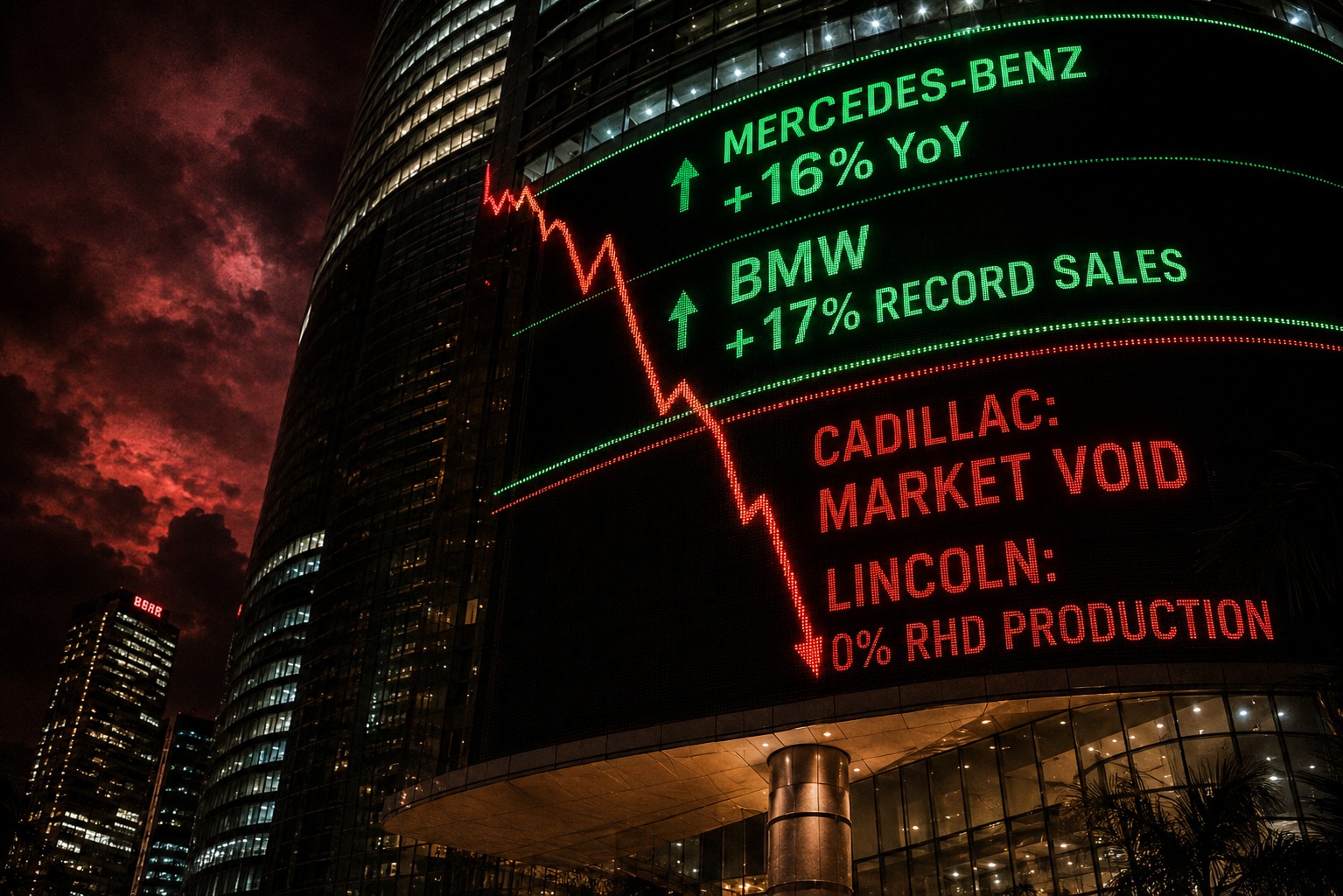
The Indian luxury automotive landscape is witnessing a record-breaking divergence in 2026. While European giants like Mercedes-Benz and Bayerische Motoren Werke (BMW) are rewriting sales records through local assembly and a pivot toward ultra-luxury tiers, American icons like Cadillac and Lincoln remain trapped in a niche import cycle. The struggle for market recognition is no longer just about branding; it is a battle between local commitment and global trade limitations.
How the K-shaped surge impacted a luxury boom?
A year ago, India’s luxury boom appeared straightforward. Rising interest rates, high inflation, global travel and digital exposure had created a powerful aspirational consumer eager to participate in the world of luxury.
The top 10% of households globally now control a massive share of disposable capital. With the S&P 500 and other global equity markets at all-time highs in 2026, consumers have experienced continuous asset appreciation, as their capital grew much faster than consumer prices. This increasingly reflects what economists call a K-shaped consumption curve.
What capitalised on India’s high-net-worth liquidity?
Buyers allocated their excess liquidity towards tangible luxury goods, most notably ultra-premium vehicles, like a strategic pivot to Top-End Vehicles (TEV). This caused luxury automakers to expand aggressively into Tier-II and Tier-III cities, widening the gap between luxury resilience and the mass market.
TEV sales drove Mercedes-Benz’s overall FY2026 growth, registering 16% YoY growth. The E-Class remained one of the best top sellers in FY2026 and sold 19,363 units, representing a mild 2.3% YoY increase. Mercedes-Benz continues to hold the pole position in India, delivering a record 9,768 units in H1 2026, a 9% year-on-year growth.
BMW achieved momentum in 2026, delivering 9,075 cars in H1 2026, a 17% year-on-year surge and narrowing the gap with Mercedes-Benz. Its aggressive growth is heavily fueled by electric mobility, which surged 78% YoY. High-demand premium models like iX1 and 5 Series have driven unprecedented volume.
How local assembly bypasses India’s import duties?
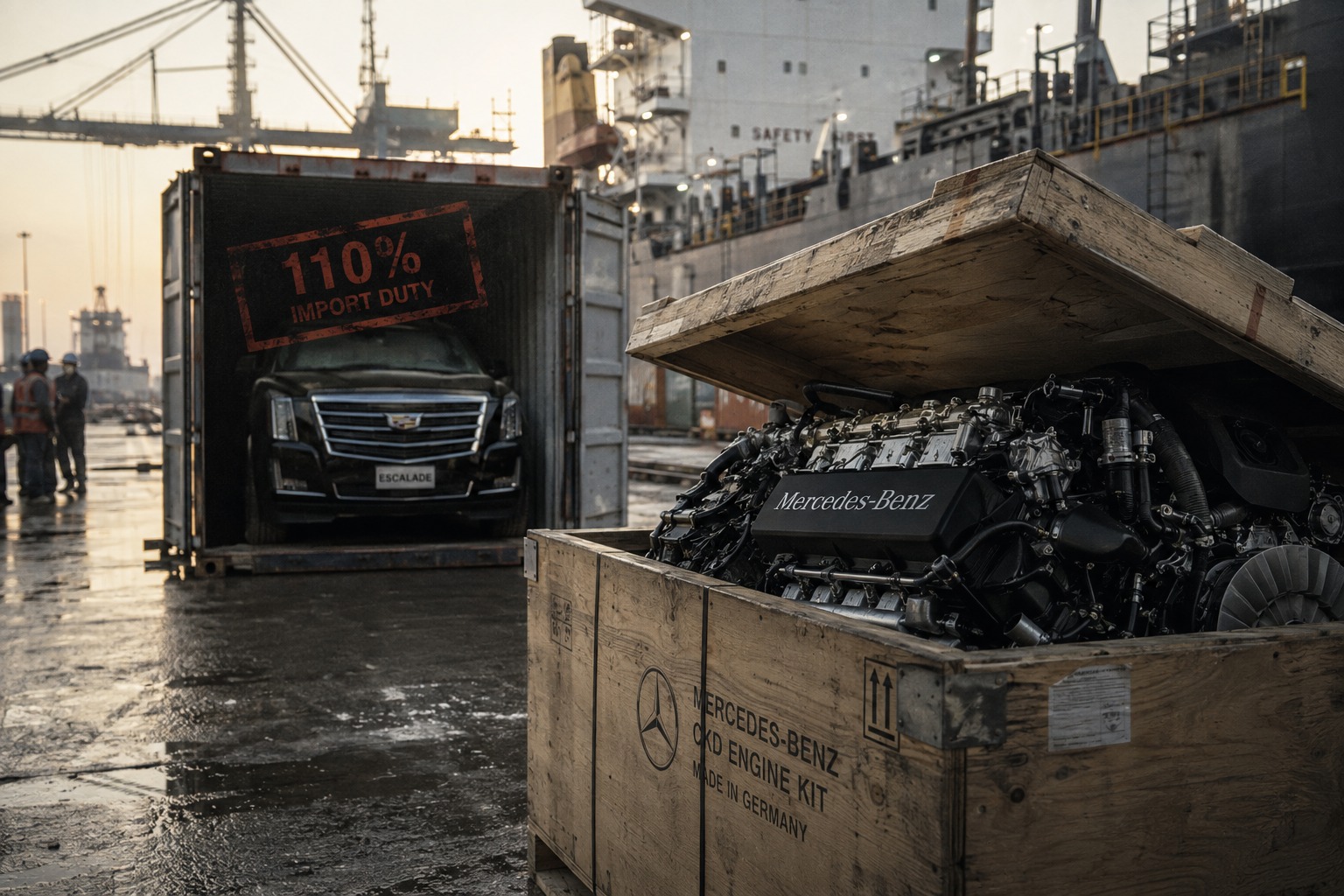
A Completely Knocked Down (CKD) car is imported in separate parts and is put together inside a factory; this allows tax savings, as fully imported cars (CBU) face huge import duties of 70% to 110%.
Beyond the standard BMW X-Series SUVs, it is utilising the Chennai plant to support the company’s future growth, as Tamil Nadu accounts for around 8% of BMW’s overall sales. The company plans to launch 26 models in 2026, including 10 all-new products, including the MINI Countryman C and is also targeting a historic milestone of over 20,000 annual sales in India for 2026.
However, by setting up assembly plants in Pune (Mercedes) and Chennai (BMW), these brands import CKD kits, which bring much lower duties. This also allows them to price a C-Class or 3-Series much more competitively compared to a pure import. Due to these heavy import barriers and lack of local presence, mass or niche sales for Lincoln and Cadillac don’t exist in India.
Why American Luxury Fails the Right-Hand Drive Test?
India’s strict rules requiring all road vehicles to be Right-Hand Drive (RHD) for road safety became challenging for American luxury brands like Cadillac and Lincoln, as they make Left-Hand Drive (LHD) configurations, severely affecting their sales potential and market presence.
Designing a factory-built RHD platform for low-volume markets like India makes zero financial sense for American automakers. While Cadillac started experimenting with factory RHD for electric vehicles like the Cadillac Lyriq, their high-demand gas models such as the Cadillac Escalade and Lincoln Navigator are manufactured strictly as LHD for North America.
Why Owning an American Luxury SUV Costs up to ₹5 Crore in India?
Indian buyers who are determined to own an Escalade or a Navigator rely on independent international modifiers. They are typically shipped from the U.S to intermediate hubs like Dubai and Sri Lanka, where the changes from LHD to RHD are done to the cars. This process alone adds an estimated 40 lakh to 45 lakh to the cost of the vehicle; a vehicle that costs approximately 85 lakh in the United States ends up costing 4Cr to 5Cr by the time it is made road legal for India.
Due to the high import taxes for the conversion of LHD-to-RHD, many cases lead to a prominent scam, as cars would be first transported to Dubai or Sri Lanka for modifications; then, at the Indian ports, they are misdeclared with fabricated documents so that the customs duties could be evaded.
The Directorate of Revenue Intelligence (DRI) witness many commercial import frauds involving luxury American vehicles, which leads to importers being arrested for using fabricated paperwork. Leading to vehicle seizures and further deters potential elite buyers.
Why Young Buyers are Dominating India's Luxury Car Market?
A massive shift in who is buying luxury cars has completely changed sales for Mercedes-Benz and BMW. Even with economic hurdles like inflation, high-interest rates and currency fluctuations, both German giants have rewritten their sales books.
Luxury cars in India were purchased by corporate leaders and business tycoons, but today the script has flipped as Mercedes-Benz reports that 65% of its new customers are under 45, which has dropped the average age of a flagship S-Class owner down to 38. Meanwhile, BMW’s average buyer age has been reported to be between 35 and 42, making India’s luxury customer base one of the youngest for the brand globally.
This boom is driven by a deep psychological shift: a generation that believes in “spending tomorrow’s money today”. While inflation usually forces the middle class to delay big purchases, the younger generation has an incredibly optimistic, post-pandemic mindset.
There is a cultural pivot from saving for retirement to enjoying life right now. Private equity and market experts point out that, rather than waiting decades to enjoy their success, they are comfortable using smart investments and structured financing to upgrade their lives immediately.
Why German Precision Outshines Massive American SUVs?
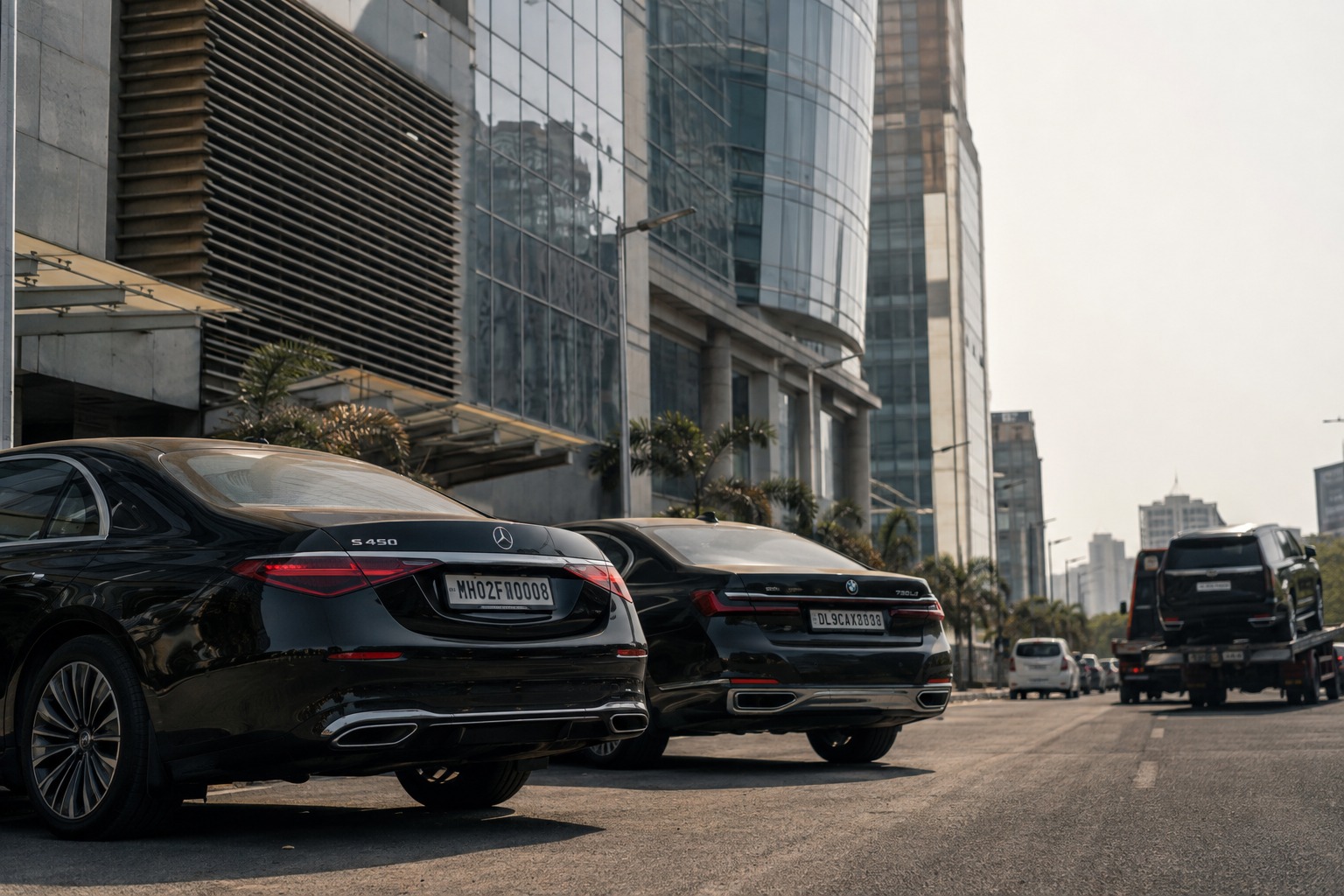
Looking at a full-size SUV like the Lincoln Navigator or Cadillac Escalade, it uses a massive, upright grille and expansive sheet metal to dominate on the road. But when a vehicle is physically enormous, even the tiniest manufacturing flaw gets magnified. On the other hand, brands like Mercedes-Benz and BMW look incredibly sharp, as their body lines are sharp, cohesive and perfectly aligned, giving them a solid, expensive look.
Indian buyers love maximum rear-seat legroom, spacious cabins and a commanding road presence that instantly signals status. While Cadillac and Lincoln are great at building giant vehicles, that size comes with a disadvantage on the road in India’s dense cities with narrow lanes and tight parking.
Ultimately, the dominance of German engineering in India is about adaptation over tradition. While American brands offer massive size and luxury nameplates, they have failed to solve the logistical and technical puzzles.
Latest News
- ◆Case Filed Against CJP Supporters over Unauthorised Shivaji Park Gathering
- ◆Israeli Strike on Gaza City Apartment Block Kills Five, Officials Say
- ◆India's Forex Reserves Fall $18.3 Billion in Record Weekly Drop
- ◆Kharge Urges Modi to Release ₹3,705 Crore Drought Aid for Karnataka
- ◆Voter-Roll Protests: Delhi Police Detain Hundreds, Register Three FIRs