
Iran Seizes Ships as U.S. Extends Ceasefire
Hours after Trump indefinitely extended the truce with Tehran, Iran's Revolutionary Guards seized two vessels in the Strait of Hormuz
Synopsis
Hours after U.S. President Donald Trump announced a ceasefire indefinitely, Iran captured two commercial ships in the Strait of Hormuz, one of which was associated with Israel. As a condition to any peace negotiations, Tehran conditioned the removal of the U.S. maritime blockade citing violations of permits and interference with navigation.
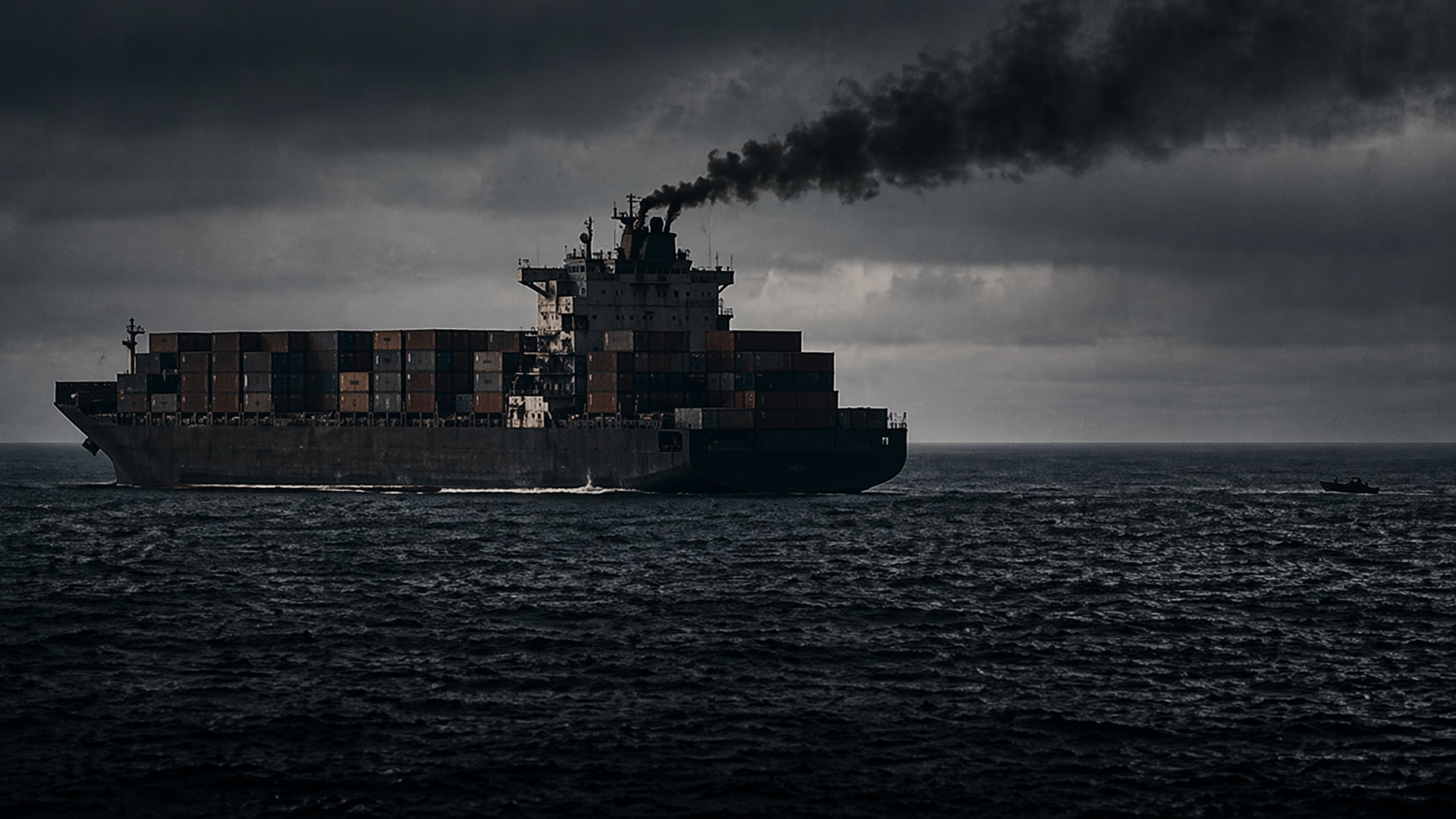
A few hours after U.S. President Donald Trump declared the extension of a ceasefire with Iran indefinitely on Wednesday, the Islamic Revolutionary Guard Corps (IRGC) intercepted two commercial ships that were passing through the Strait of Hormuz, one of which was allegedly an Israeli-owned ship.
The IRGC Navy recognized the ships as MSC-Francesca that it termed it to be associated with the Zionist regime, and Epaminodes. The Guards Navy, in a statement, claimed that the two ships had threatened maritime security by operating without the required permits and disrupting the navigation systems, and were escorted to the coast of Iran. Our line is disruption of order and safety in the Strait of Hormuz, the statement added.
Truce was called, and blockade maintained
Mr. Trump had previously resolved hours of uncertainty by stating that the truce would be extended, however, on conditions that did not include the U.S. maritime blockade of Iranian ports. He mentioned the fractured character of Tehran leadership as a reason and wrote in a social media post that he had been asked by Pakistani Field Marshal Asim Munir and Prime Minister Shehbaz Sharif to wait until such a time that their leaders and their representatives could devise a common offer. The Prime Minister of Pakistan then appreciated the move by Mr. Trump.
According to Mr. Trump, the blockade would not be removed, and the economy of Iran is in a very poor state. By the time the IRGC announced the extension of ceasefire, Iran had not officially declared that it accepted the ceasefire.
The situation in Tehran and the role of Islamabad
Parliamentary Speaker of Iran, Mohammad Bagher Ghalibaf, added that the ceasefire could only make sense in the case the U.S. blockade is removed and that Israel fulfills its promises. In an official communication of the office of the Iranian Speaker:
A total ceasefire is only logical when it is not broken through by the maritime blockade and the hostage-taking of the global economy, and when Zionist warmongering on all fronts is stopped; reopening the Strait of Hormuz cannot be done with such an open violation of the ceasefire.
Tehran had previously refused to attend U.S.-Iran negotiations in Islamabad - which were arranged with the help of the Pakistani government - claiming what it termed as excessive U.S. demands and the maintenance of the port blockade. On Wednesday, the U.K. Maritime Trade Operation Centre confirmed that two ships were attacked in the strait.
Strategic interests in the Strait
This has been the epicentre of the U.S.-Iran confrontation through the Strait of Hormuz which is home to about 20 per cent of the world oil trade. Iran has said severally that it will not remove its restrictions on the strait till the so-called U.S and Israeli ceasefire violations are removed. The Foreign Ministry spokesperson Esmail Baghaei stated that Tehran was closely keeping watch, and that it would take the necessary action to defend its interests and that Iran would take part in the diplomatic activities, whenever it determines that suitable and rational conditions are present to pursue national interests.
As the Islamabad-mediated negotiations have stopped, the blockade has not been lifted, and the IRGC proclaims maritime dominance even in a nominal ceasefire, the prospect of a lasting de-escalation depends on competing demands that neither party has demonstrated readiness to relinquish.
Latest News
- ◆NSE's $2.3 Billion IPO Draws Over $10 Billion In Bids
- ◆India-New Zealand Free Trade Pact To Take Effect October 20
- ◆Tata Group Governance Feud Deepens Over Chandrasekaran's Term
- ◆India Reaffirms Push For Constructive Ties With Bangladesh
- ◆Teen Gang-Raped Near Delhi Temple, One Suspect Held In Encounter