
Cooling AI Servers puts a strain on global water supplies
The water crisis is a rising issue behind the AI boom
Synopsis
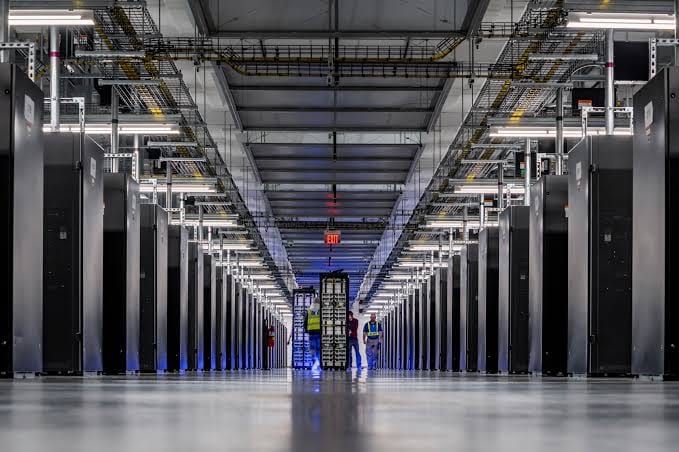
AI is drinking water. High-intensity heat is generated for every user prompt, automated task and Large Language Model training. With the strain on the environment, infrastructure operators and tech companies are looking at closed-loop liquid immersion cooling as a way to cool the system.
Why is it that AI is using water?
The next time you request someone to write you an email, create a poster or summarise a long topic for you, you'll have an AI to help you. It pumps a lot of water into the data centre to cool it down, and sends a message. Servers emit a lot of heat. In data centres, water-based cooling systems are employed, with up to 80% of the water being evaporated.
As a result, Power plants consume fuel or steam to generate the huge volume of electricity required by AI servers, thereby consuming more water. Moreover, making the ultra-advanced semiconductor chips that power AI requires large volumes of ultra-pure water.
It takes 500ml of water to write 100 words of email. 2 litres are needed for every 10 to 50 queries you make. By the way, training a thing like ChatGPT-3 takes 5.4 million litres of water, which can sustain 108,000 people for one day at basic needs, or one small island nation, like Tuvalu, halfway between Australia and Hawaii in the west-central Pacific Ocean, for several days or even weeks.
How to Reduce AI Water Consumption
The heat from the computer parts is absorbed directly into a special heat absorbing liquid, which does not evaporate into the air and is also safe to use. If the weather is cool enough, data centres take advantage of cool air from outside and use it to cool the computer, so that they do not have to use water sprays. Treated wastewater or non-drinking water is used for cooling instead of precious local drinking water sources.
Cleaner energy can be used by tech firms and smarter software to reduce the overall energy and heat consumption of the systems, or they can drink less water, take shorter showers, and sit in the dark so that AI can do its work.
The cost of water behind Meta's Data Centres
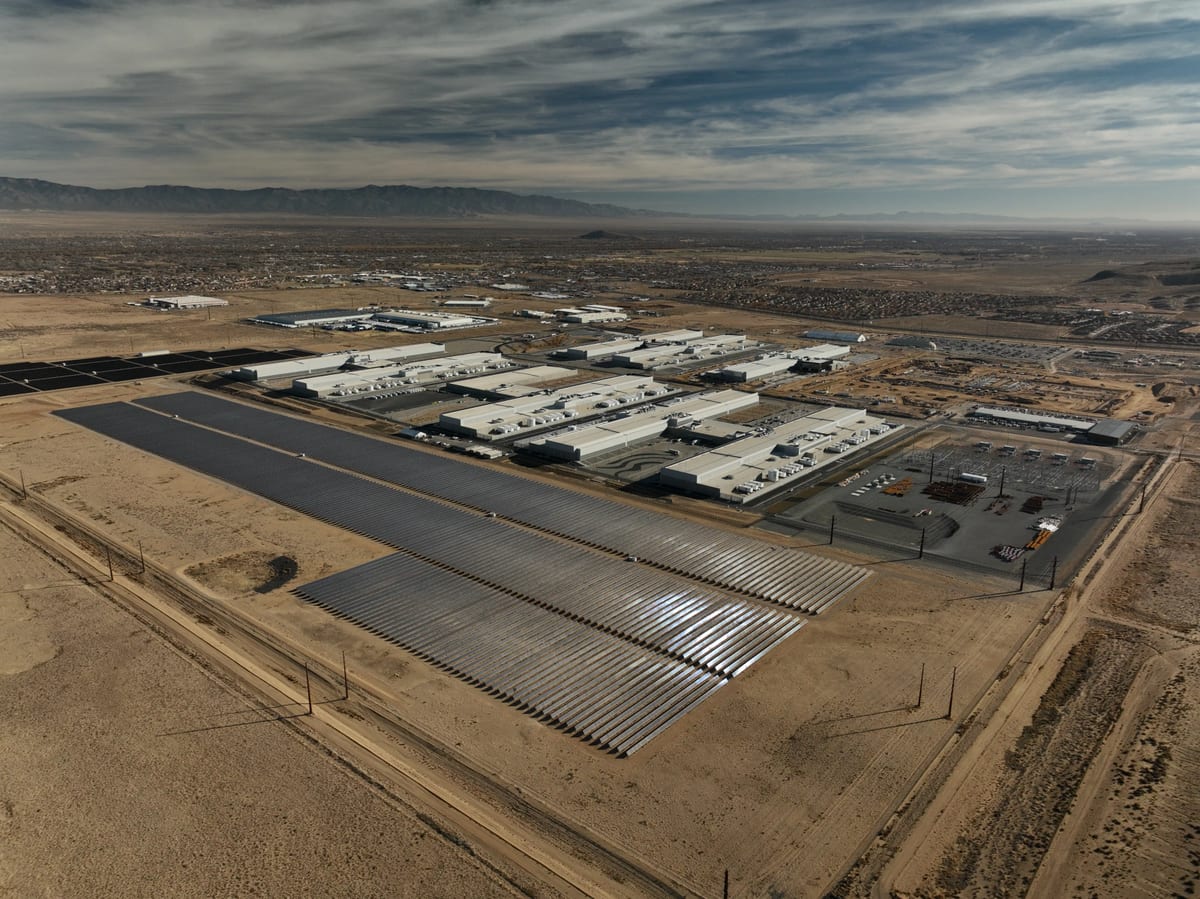
A huge, under-construction data centre for Meta dumped water with a rare and potentially harmful bacterium. The bacteria may be inhaled by residents in the vicinity if they inhale droplets of the water used for irrigation, which evaporate.
Meta, which operates the $800m, 960-acre artificial intelligence (AI) data centre campus, stated it had been tested by an independent contractor and found no sign of the bacterium and doubts about the city's testing.
“Meta is a committed good neighbour in Cheyenne, where we believe protecting local water resources is important, and we appreciate the board of public utilities’ thorough release of information, confirming the board's efforts found no impact to the public or environment,” a company spokesman said.