ICE Intensifies Arrest of Immigrants Ahead of U.S. Midterms
Immigration arrests have surged to record levels under President Donald Trump
Synopsis
ICE is taking the lead in carrying out the Trump administration's mass deportation initiative, which was a central promise of Trump's election campaign. The U.S. president has significantly expanded ICE, its budget and its mission since returning to the White House. The agency enforces immigration laws and conducts investigations into undocumented immigration. It also plays a role in removing undocumented immigrants from the U.S. ICE was formed as part of the Homeland Security Act of 2002, a response to the terror attacks on 11 September 2001. The legislation created the Department of Homeland Security (DHS), with ICE as one of its subsidiary agencies.
What Powers Do ICE Agents Have to Arrest People?
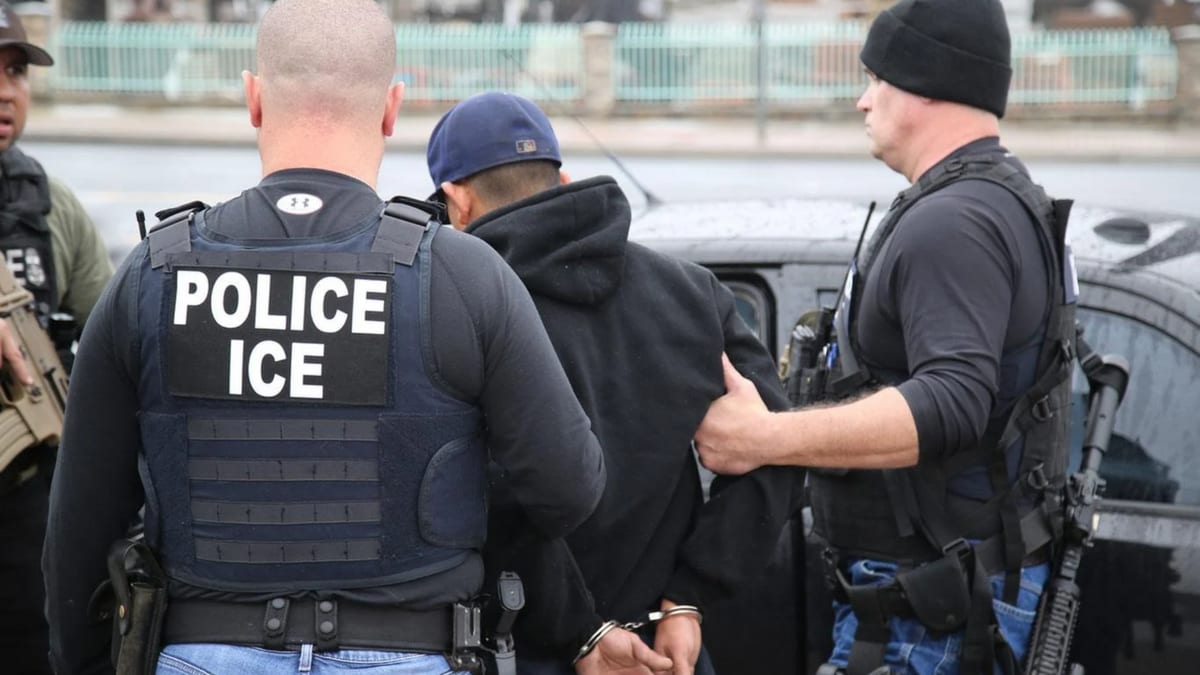
ICE sees its mission as encompassing both public safety and national security. However, its powers are different from those of the average local police department in the US.
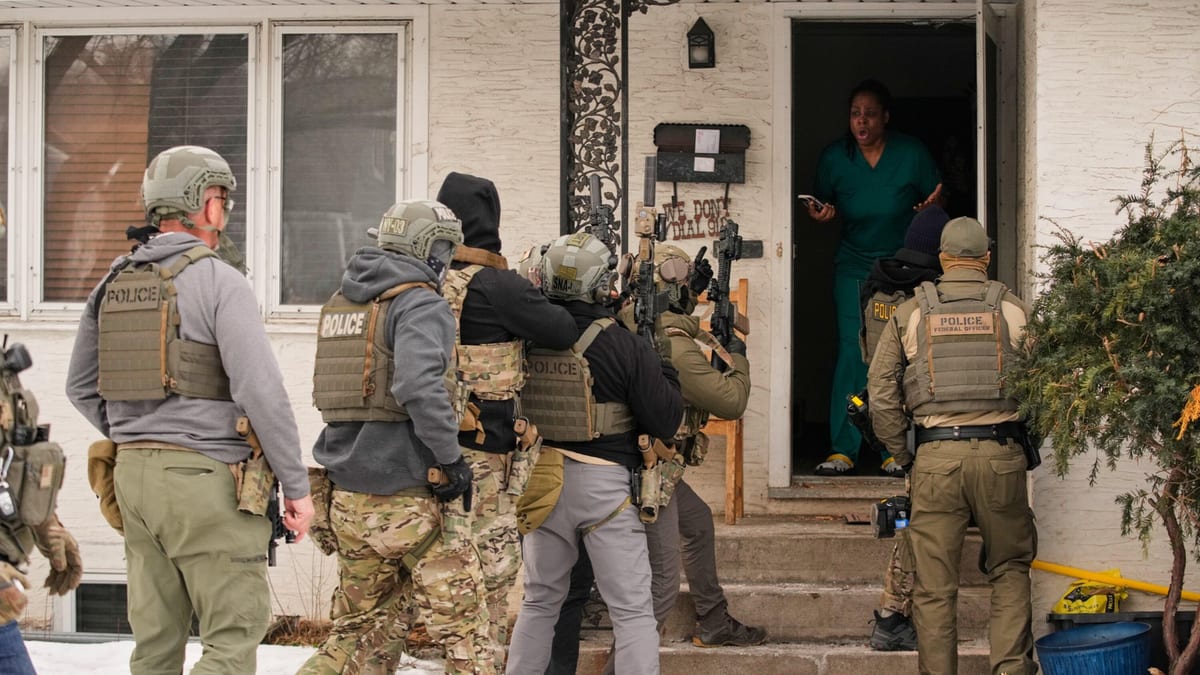
Its agents can stop, detain and arrest people they suspect of being in the US illegally. However, legal permission to enter a home or other private space requires a signed judicial warrant.
Agents can detain US citizens in limited circumstances, such as if a person interferes with an arrest, assaults an officer, or ICE suspect the person of being in the US illegally.
Despite this, there were more than 170 incidents during the first nine months of Trump's presidency in which federal agents held US citizens against their will. These cases included Americans they had suspected of being undocumented immigrants.
What Powers Does ICE Have to Use Force?
An ICE officer shot Renee Nicole Good while she was driving her car. ICE's use of actions involving force is governed by a combination of the US Constitution, US law and the DHS's own guidelines. Under the US Constitution, law enforcement "can only use deadly force if the person poses a danger to them or other people, or the person has committed a violent crime", said Chris Slobogin, director of the criminal justice programme at Vanderbilt University Law School.
But the US Supreme Court has historically granted broad leniency to officers making in-the-moment decisions without the benefit of hindsight. A DHS policy memo from 2023 states that federal officers "may use deadly force only when necessary" when they have "a reasonable belief that the subject of such force poses an imminent threat of death or serious bodily injury" to themselves or another person.
In Minneapolis, US citizen Good was killed while behind the wheel of her car. The Trump administration says the agent acted in self-defence, but local officials insist she posed no danger. During the political row that followed Good's death, Minnesota officials sued the Trump administration in an attempt to block the deployment of federal immigration agents in the state.
Where Does ICE Operate?
Typically, ICE operates inside the US, with some staffing abroad. ICE and other agencies have deployed hundreds of officers to cities like Los Angeles, Chicago and Minneapolis, in partnership with other federal law enforcement agencies.
About 2,000 agents from ICE and other federal agencies were deployed to Minneapolis as of 14 January 2026, as well as an additional 800 US Customs and Border Protection (CBP) agents, including Border Patrol staff.
Ecuadorian authorities confirmed that an ICE agent tried to enter its Minneapolis consulate on January 27, 2026 but was denied entry. Under the 1963 Vienna Convention on Consular Relations, consular premises are considered "inviolable", and Ecuador - whose president is an ally of Trump - has filed an official complaint.
On February 4, 2026, Trump's "border tsar" Tom Homan said the administration would immediately withdraw 700 immigration officers from Minnesota. The officers in question work for a number of agencies, including ICE and Border Patrol.
He said officers providing security to colleagues in the field were not being recalled, and 2,000 agents would remain. However, he also said he aimed to bring overall numbers back to the level before the current Operation Metro Surge began in December.
What the Detention Data Shows
According to the data, some of the largest increases have occurred in the South and Southwest.
Texas recorded the highest number of arrests leading to detention in July with 10,331, up from 5,787 in July 2025. Florida almost tripled, increasing from 1,938 to 5,501 arrests leading to detention. Arizona rose from 798 to 2,028, while Georgia increased from 842 to 2,144.
Other states that saw notable increases included New Jersey, which climbed from 822 to 1,854. Pennsylvania rose from 655 to 1,153. Tennessee increased from 598 to 1,009, and Massachusetts rose from 272 to 505.
Among the states that recorded smaller increases or remained relatively stable were New York, which increased modestly from 1,306 to 1,353 arrests leading to detention and Maryland, which rose from 384 to 496.
"Over the past 21 months, plain-clothed, masked, armed, unidentified and untrained federal agents have terrorized Maryland communities from the Eastern Shore to Park Heights, all the way to Washington County," Shana Khader, the legal director of the immigration advocacy group We Are CASA, said in a news release.
A smaller number of states have experienced declines.
California was one of the focal points of the administration's early enforcement push, recording 2,832 arrests leading to detention in July 2025 during and after Operation at Large. By July 2026, that figure had fallen to 2,386. Colorado declined from 534 to 466, while Rhode Island fell from 56 to 23. Nevada was largely unchanged, declining from 306 to 303.
Latest News
- ◆ICE Intensifies Arrest of Immigrants Ahead of U.S. Midterms
- ◆Delhi’s Winter Air Quality Remains Poor Despite GRAP Measures
- ◆India Invites Pakistan for 1st Time since Operation Sindoor, along with 10 SCO Members
- ◆Instagram Tests 90-Minute Horizontal Videos Called Features
- ◆ECI tells SC Form 6 unchanged