
Cîrstea Stuns World’s Top Seed in Gritty Three-Set Victory
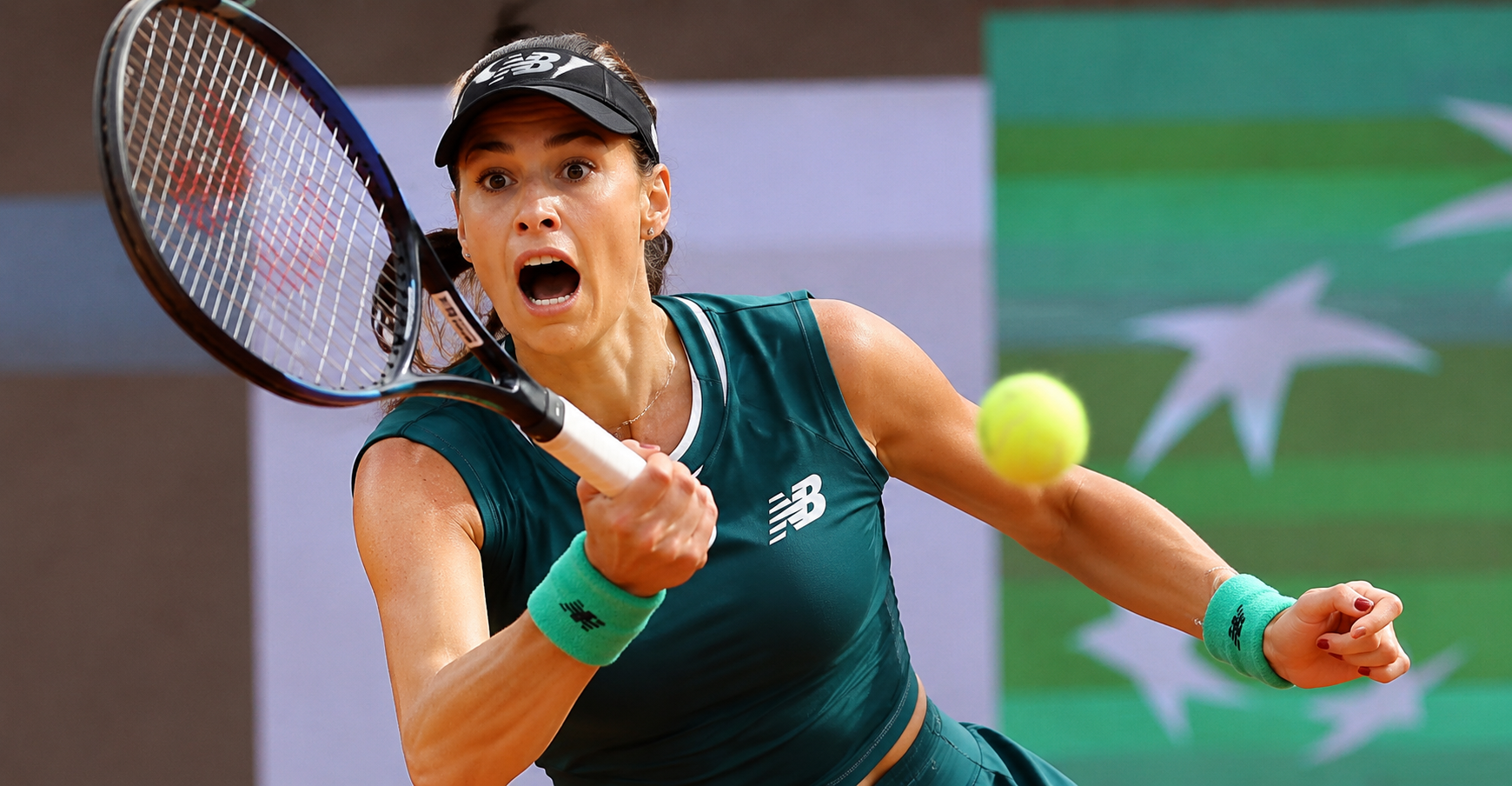
Romanian veteran Sorana Cîrstea defeated women’s World No. 1 by 2-6, 6-3, 7-5 in the third round, battling lower back pain throughout the contest
Synopsis
Romanian tennis player Sorana Cîrstea produced one of the more significant upsets of the current tournament circuit, defeating the women’s World No. 1 in three sets — 2-6, 6-3, 7-5 — despite managing pain in her lower back throughout the contest. The result underlines the unpredictability of women’s professional tennis and the particular threat that experienced veterans continue to pose, even against the sport’s very best.
A Result That Defied the Odds
She had lost the first set 2-6, her back was starting to get sore and showing signs of it, and she was up against the world's greatest player. By almost any measure, Sorana Cîrstea should not have won. She did — 2-6, 6-3, 7-5 — in three sets, and indeed, tennis at its most competitive is very hard to predict.
Cîrstea, one of the most consistent but underelected operators in the world of professional tennis in the last two decades, played a monumental upset that was immediately called a major upset of the tournament. The world's number one women's tennis player, who is a big favourite to win the third round, couldn't translate her all-round dominance into a complete victory.
The way the match unfolded.The story of the match
The first set was definitely the World No. 1's. Cîrstea gave it up 2-6, but didn't build much of a base. At this point the back issue was visible, the Romanian spending extra time between the points and modifying her movement to alleviate the back pain. But the second set yielded a decidedly different Cîrstea. She had more depth on her groundstrokes, more control over the baseline exchanges and took the set 6-3 which evened the game.
Final sets, like the third set in this series, are often played with a greater sense of urgency and drama. Cîrstea evened the scores in the second set and went on to win the match, 7-5, which will be remembered as one of the highlights of the tournament.
A brief discussion of Cîrstea's career and what the win means.Short explanation of Cîrstea's career and meaning of this win
Cîrstea's record against top 10 players, which is to be expected by a ranked player, has been creditable, but it doesn't seem to get enough credit despite its stature. This victory is one of the most important of the bunch. Whether it is because of his form on any given day or because of the fact that he is currently the World No. 1, beating him will require something that is clearly defined: substance. And it will require it in positions Cîrstea will be able to reach in the draw, which is where he is going to be looking for it.
The meaning of the Result for the tournament
The draw will be closely watched by the rest after the world's No. 1 leaves the third round. The structure of major tournaments is designed to allow the best seed to advance to the finals. If the top seed leaves the draw, that changes the odds and pushes the competition forward to benefit a few other players.
The Larger Picture in Women's Tennis
The competitive openness of the present phase of women's tennis has made it hard to predict with certainty. The world number one has been shuffled many times in recent years, and there's plenty of proof that the level of the women's tour is as high as it has ever been, and the physical strain of a modern game is as great over an eleven-month season. Cîrstea's win is no exception, and a strong example of the way tennis is played today — and a reminder that the script is not always the one that the sport provides.
Latest News
- ◆NSE's $2.3 Billion IPO Draws Over $10 Billion In Bids
- ◆India-New Zealand Free Trade Pact To Take Effect October 20
- ◆Tata Group Governance Feud Deepens Over Chandrasekaran's Term
- ◆India Reaffirms Push For Constructive Ties With Bangladesh
- ◆Teen Gang-Raped Near Delhi Temple, One Suspect Held In Encounter