
Hormuz Blockade Casts a Long Shadow on World’s Food Chains
FAO expects global cereal production to rise in 2026 but warns the Strait of Hormuz closure is driving fertilizer and energy costs higher, threatening wheat output
Synopsis
The United Nations Food and Agriculture Organization (FAO) has projected that global cereal supplies will hold up through 2026, with overall production forecast to rise. However, the Organisation has flagged meaningful uncertainty over next year’s wheat output as the closure of the Strait of Hormuz drives up energy and fertilizer costs worldwide. The intersection of geopolitical disruption and agricultural input markets is emerging as one of the more consequential supply-side risks of the current year.
A Chokepoint That feeds the World quietly
At first glance, the Strait of Hormuz, the narrow waterway between Iran and the Oman peninsula that sees around 20 to 21 percent of the world's traded oil cross, is not a part of the conversation about food. It is a well-known fact that it is very important to world energy markets. The linkage to the wheat production cost in Punjab or the Nile Delta in Egypt is not as obvious but very significant.
The closing of the Strait, which has thrown disruptions into oil shipping routes around the world as part of the ongoing US-Iran confrontation, has contributed to an escalation in energy prices. That increase has been directly passed on to the cost of producing fertilizers, and especially nitrogenous fertilizers, which are more expensive because of the energy-intensive production process and are price-sensitive to the price of natural gas and crude oil. The chain from a clogged strait to a more pricy bag of urea on a farm is short and the latest assessment by FAO indicates it is beginning to be felt.
What the FAO's Forecast REALLY Means
The Food and Agriculture Organisation of the United Nations (FAO) had a fairly optimistic headline for the cereal situation in 2026 in its latest global cereal supply and demand assessment. World cereal production is expected to increase and prospects for production are favourable across much of the Americas and in South Asia. Aggregate supply levels are anticipated to continue to be sufficient.
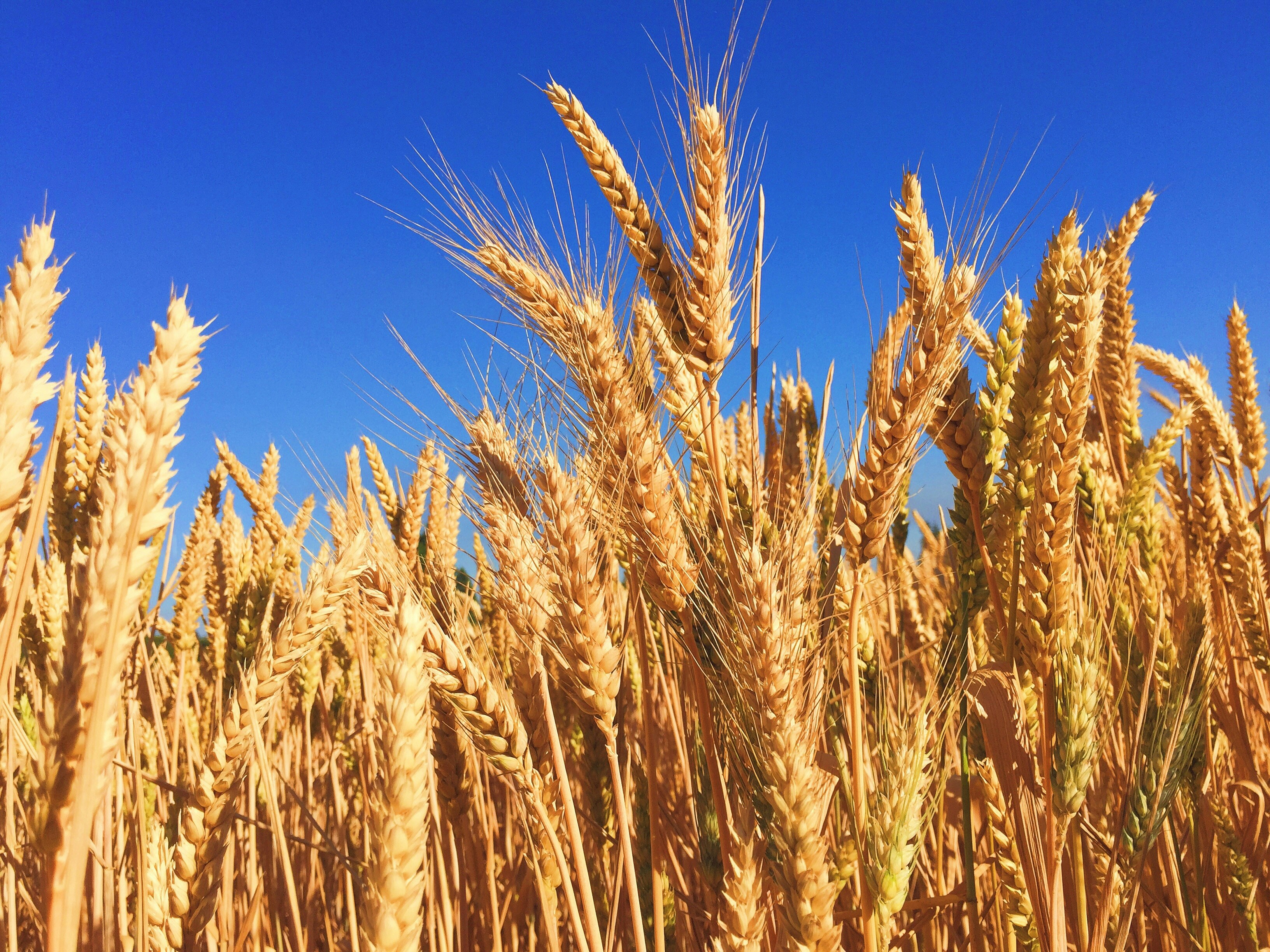
However, wheat has been qualified as an area of uncertainty in this headline by the FAO. Wheat is the main cereal for an estimated 2.5 billion people and is the world's largest traded cereal. It is produced in fewer key exporters countries (the United States, Russia, Australia, Canada and the European Union) and its international price is more volatile than most food commodities.
The FAO has expressly identified a high level of uncertainty over next year's wheat crop production, as rising energy and fertilizer prices, much of which was caused by the Hormuz closure, place less assured margins on the farmers in major producing areas and could affect planting decisions for the following crop year.
Fertilizer Costs: How They are Passed On
Nitrogen fertilizers (mainly urea and ammonium nitrate) are made using a major component of natural gas. As natural gas prices increase, so does the cost of producing fertilizer, as they have done, partly because of the disturbance of the energy markets in the area related to the Hormuz closure. One of the largest input costs for crop production worldwide is fertiliser. In South Asia, the Middle East, and North Africa, wheat growers are directly impacted by the continued increase in fertilizer prices, which impacts the economics of planting.
This may lead to lower area planted, application rate of inputs, or postponing investment in yield-enhancing inputs for farmers who experience higher input costs and less support in selling prices. Both of the three responses eventually lead to a decrease in output. Co-movement of energy and food commodity prices in response to geopolitical shocks, a phenomenon that was last witnessed at large scale in 2022 when the Russian invasion of Ukraine struck, was increasingly observed, the World Bank said in its commodity price outlook report earlier this year.
The Economies Most Exposed To This Disruption
The nations most at risk of the food security effects of the Hormuz disruption are those with high food import reliance and weak fiscal space to absorb food price rises. Egypt is especially vulnerable as the world's biggest importer of wheat. Already in a prolonged state of food emergency, as reported by the United Nations' World Food Programme (WFP) in Yemen, the country is facing additional risks. In Sub-Saharan Africa, some countries import substantial quantities of wheat and rely on cheap fertilizer for their domestic wheat production, adding to the pressure of supply on both fronts.
The 2022 Precedent and Its Lessons
The most similar recent case to the present scenario was the global food and fertiliser market disruptions caused by Russia's invasion in Ukraine in February 2022. At the time, Ukraine and Russia supplied some 30 per cent of global wheat exports, while the turmoil in the Black Sea region, disruption to the supply of fertilisers and the turmoil in the energy markets triggered a food price hike the FAO's Food Price Index measured as historic. In the case of the Hormuz disruption, it has a different structural mechanism, one that does not primarily control oil and gas, but that does affect food prices through its impact on energy and fertilizer prices.
The weather for the next few days is expected to be fairly settled with the possibility of some thunderstorms and showers.
The FAO's outlook for 2026 cereal supplies represents a degree of comfort that the world food system is not on the brink. However, the qualification relating to wheat, and indeed the wider recognition of energy cost pressures impacting agriculture input markets, is not a footnote to be side-lined. Wheat is the crop that in more than any other brings together geopolitical turmoil with household food security in the most at risk parts of the globe.
The speed and nature of the resolution of the Strait of Hormuz crisis will reverberate far beyond the oil tankers and energy traders. It will decide what is grown, what is picked, and what will be on the tables of those far away from the Persian Gulf, at what price.
Latest News
- ◆NSE's $2.3 Billion IPO Draws Over $10 Billion In Bids
- ◆India-New Zealand Free Trade Pact To Take Effect October 20
- ◆Tata Group Governance Feud Deepens Over Chandrasekaran's Term
- ◆India Reaffirms Push For Constructive Ties With Bangladesh
- ◆Teen Gang-Raped Near Delhi Temple, One Suspect Held In Encounter