
Delhi Court Convicts Tahir Hussain in IB Staffer's Killing
Former AAP councillor found guilty of murder and rioting in the 2020 killing of Intelligence Bureau staffer Ankit Sharma during Delhi riots
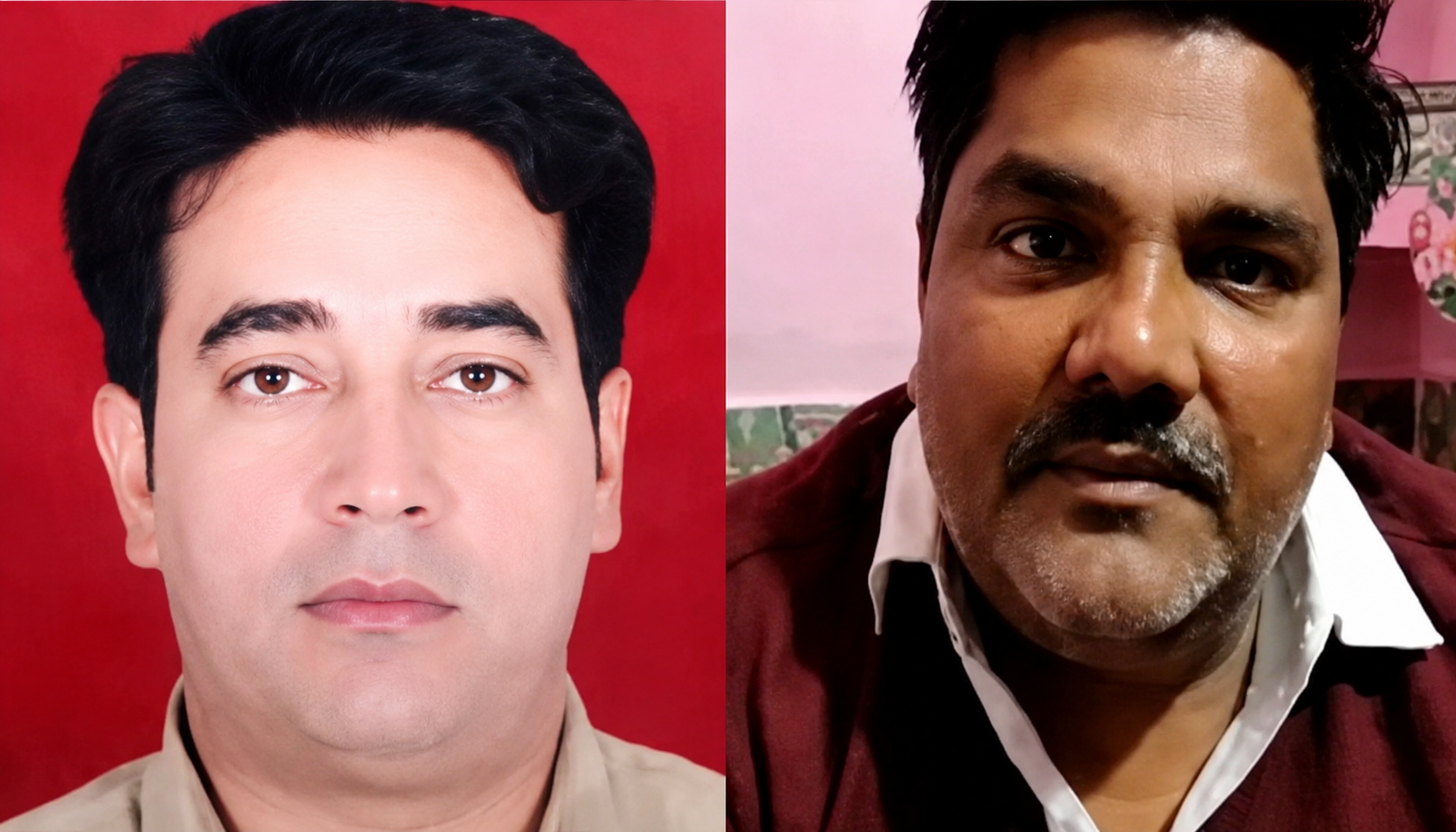
Four individuals have been convicted by a Delhi court on Monday in the murder of Intelligence Bureau officer Ankit Sharma in 2020, which has become iconic for communal violence in the Indian capital's north-east.
The Verdict
Additional Sessions Judge Praveen Singh in Karkardooma Courts found Hussain guilty of the charges of promoting enmity, rioting, wrongful confinement, murder under Sections 188, 153A, 147, 148, 149 of IPC and acquitted him of conspiracy charges under Sections 120B and 129 of IPC.
The four others accused — Javed, Anas, Nazim and Kasim — were convicted in Sharma's murder case, while six others were acquitted.
The court had been hearing the case against a total of 11 accused. All other convicted and accused persons were earlier granted bail, except Hussain, Nazim and Kasim; Hussain had earlier filed for bail which was denied by the Delhi High Court last September.
What the Case Involved
The prosecution's case went back to Feb 25, 2020, when a 26-year-old IB staffer, Ankit Sharma, left home to go and shop and never came back. Later on, his body was found with 51 injuries in a drain in Chand Bagh Pulia which included sharp-edged weapons and injuries from blunt force.
The FIR was filed with Dayalpur police station on a complaint from Sharma's father, Ravinder Kumar, who mentioned he had enough suspicion that his son's body was killed by Hussain and his associates. In March 2023, 11 accused were charged in the relevant sections of the IPC.
Broader Context
The case comes in a series of cases related to the riots in northeast Delhi in February 2020 which resulted in the death of over 50 people and injuries to hundreds of others amid protests against the Citizenship Amendment Act, and were among the worst communal violence the capital has seen in decades.
What Comes Next
The court is likely to hear arguments for punishment separately and then determine the quantum of punishment for Hussain and his co-convicts. Convictions under Section 302 read with Section 149 of IPC (murder done in the cause of a common unlawful object) usually carry a mandatory minimum sentence of life, which would be decided by the trial court.
Why It Matters
The verdict comes more than six years after the killing, and could be seen as a reflection of the extended timelines often adopted by the Indian judiciary in the handling of massive communal violence cases, which will be closely monitored as more cases from 2020 continue to proceed through the judicial process.