
Hormuz Attacks Push Brent Crude to About $117 as War Fears Return
Renewed tanker strikes, mine incidents and the prospect of fresh US action have lifted the benchmark roughly 17 per cent in a month
Synopsis
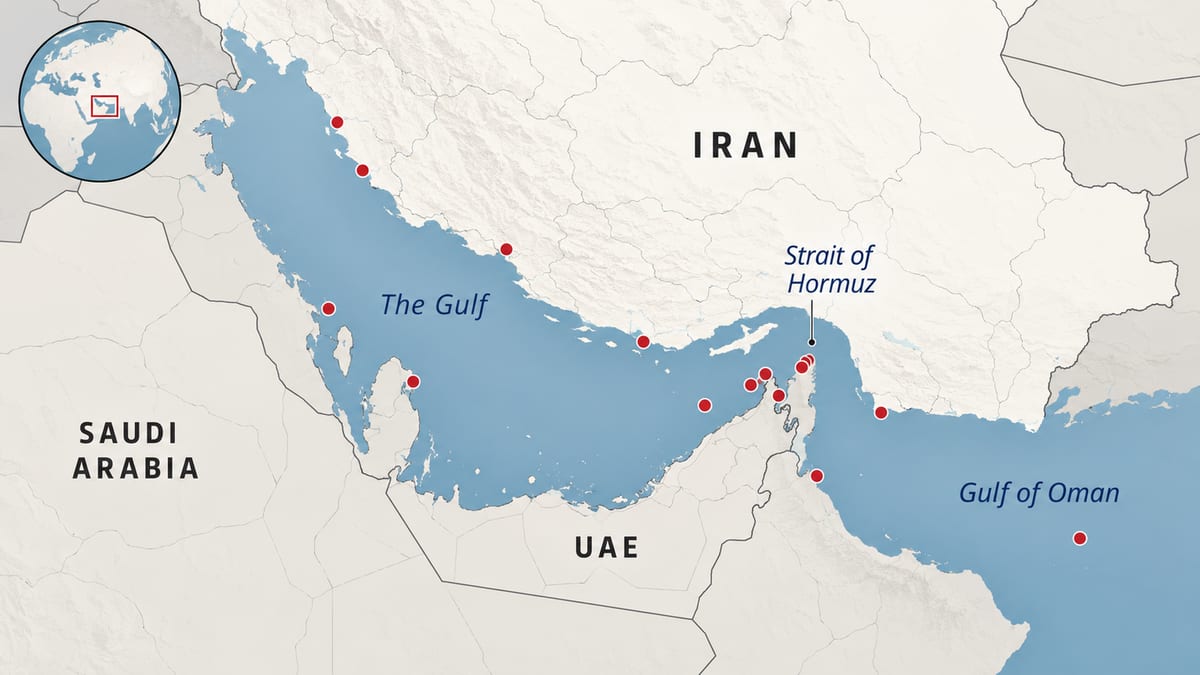
Brent crude finished close to $117 a barrel on Friday as attacks on ships in and around the Strait of Hormuz persisted and Washington indicated it was ready to continue targeting Iran again. In normal times, some 20 per cent of the world's seaborne oil and liquefied natural gas is transported via this waterway. European and regional diplomats said that if attacked again, the conflict would expand and impact hydrocarbon prices.
The waterway influences the prices
The international benchmark, Brent, closed at just over $117 a barrel Friday, rising by over 3 per cent and some 17 per cent in the past month. It began to break above $100 in the opening weeks of the war, and reached its highest level of $126 in March.
The narrow strait between Iran and Oman typically transports around 20% of the world's seaborne oil and LNG. Since the start of the U.S.-Israeli conflict against Iran on Feb. 28, traffic has dropped off considerably.
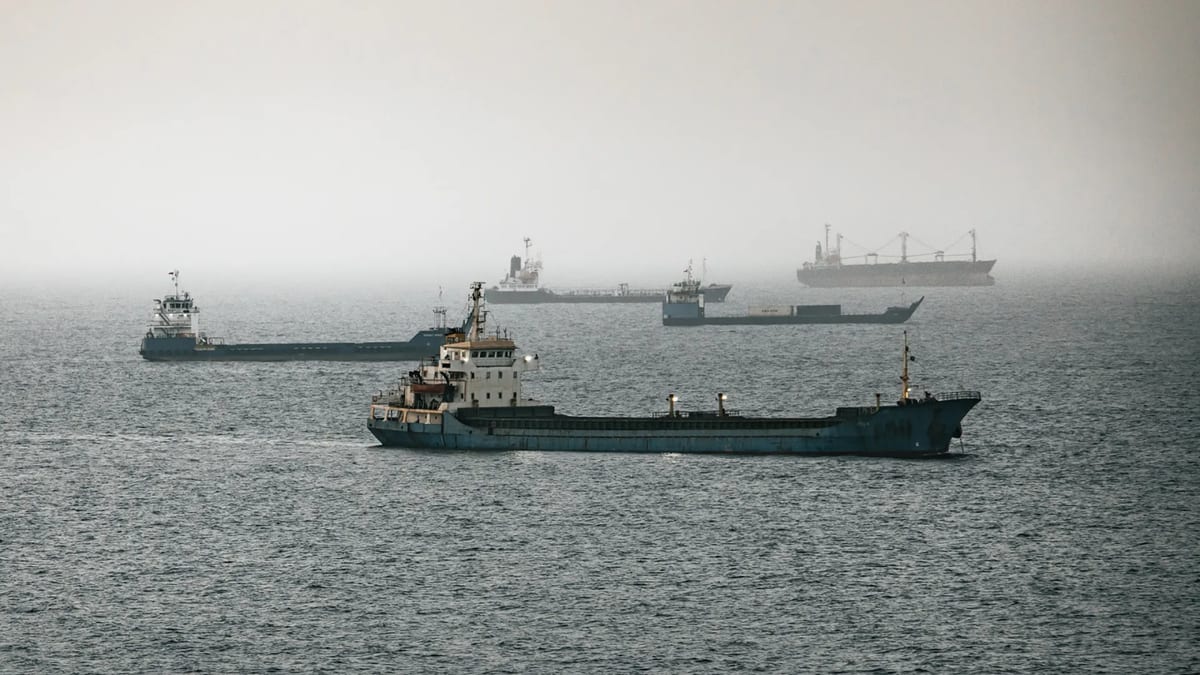
Seven tankers were attacked or hit mines overnight into Thursday and two super tankers struck mines on Friday, according to the Islamic Revolutionary Guard Corps. In October, the number of at least 28 attacks upon ships is being counted.
On Thursday, President Donald Trump labeled Iran as “lying” about attacks on his country's tankers to raise global energy prices.
Flows versus risk
The picture is not as straightforward as the price. Oil exports were averaging 19.5 million to 22.5 million bpd, higher than pre-war levels, out of Hormuz from Sept. 27 to 29, despite the fact that Brent crude futures remained above $100, Kpler data showed. Middle East tensions have kept oil prices well supported despite relatively strong Persian Gulf flows, ING analysts wrote.
Diplomacy and the prospect of good health
The consequences of a new US-Iran escalation would be “very serious” for the prices of hydrocarbons, said France's Foreign Minister Jean-Noël Barrot, who noted that it would create nothing but losers. Turkey's Fidan stated that the renewed assault would further expand the conflict throughout the region after holding talks in the Turkish capital Istanbul.
The mediation efforts between the United States and Iran have failed to achieve any groundbreaking progress, while the Houthis have resumed their attacks on Saudi Arabia. Now, whether Washington will resume strikes, and if shipping can go through the strait without further attacks, will affect prices.
Latest News
- ◆Trump Warns of Fresh Strikes on Iran, Citing “Another Little Epic Fury”
- ◆Hormuz Attacks Push Brent Crude to About $117 as War Fears Return
- ◆Netanyahu Reiterates Regime Change in Iran as Israel Heads to the Polls
- ◆France’s Luxury Stores Board Up Windows Ahead of a New Wave of Protest
- ◆Apple Briefly Overtakes Nvidia in Market Value, Then Slips Back at Close