
Mojtaba Khamenei Vows Revenge For Father
Iran's new Supreme Leader has pledged retribution for his predecessor's killing in a message issued after extensive funeral ceremonies
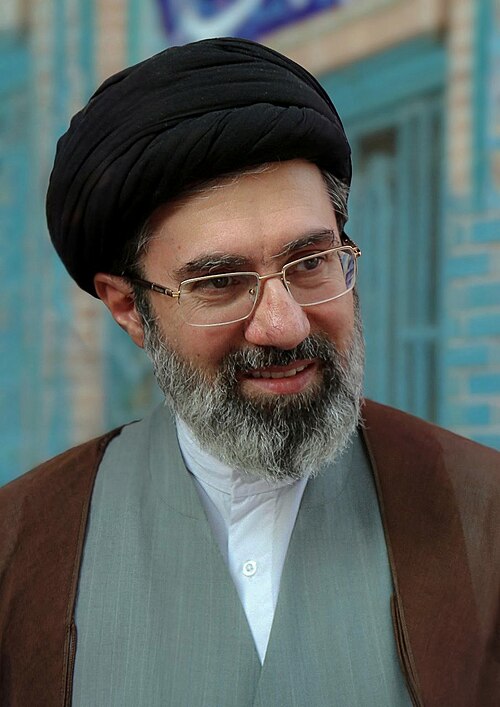
The killing of his father and predecessor Ayatollah Ali Khamenei was avenged, Ayatollah Mojtaba Khamenei has said in a written statement, as large funeral ceremonies have been held all over Iran and Iraq.
On February 28, at the beginning of the war, the death of Ayatollah Ali Khamenei in a U.S.-Israeli airstrike was echoed by Mojtaba Khamenei in his statement, which marked his first public message since the funeral ceremonies of his father were started one week ago.
The Message
Vengeance was presented as a national duty in the statement issued on Khamenei's Telegram channel, read on state TV. Whether existing leaders stay or don't stay, the mission would be implemented by free people in the world, the message said, adding that "We pledge to avenge the blood of the martyred leader and all the martyrs of these two wars from the criminal and disgraced killers.
Khamenei was clear that retribution does not hinge on any specific official, such as himself. They should realize that this is not dependent upon me or other officials, that in my absence and in his, too, this shall be done, and that soon every freeman in the world shall perform some part of this Divine mission.
An Unusual Succession
The appointment of Mojtaba Khamenei to the position itself has been a cause of perplexity. With the backing of the Revolutionary Guards, he rose to be supreme leader on March 8 and senior sources have indicated that he was disfigured on his face and with other injuries during the strike that led to his father's death.
Remarkably, since the airstrike there has been no picture, video or audio recording of him published and his continued absence from public view has compounded the uncertainties that hang over Iran, with some Iranians concluding that a wounded new leader must be seen.
The Funeral and Its Symbolism
There has been a great deal of public grieving. Mojtaba Khamenei hailed the turnout, saying tens of millions of people had turned up in cities and villages throughout Iran and Iraq, especially Tehran, Qom, Najaf, Karbala and Mashhad, making it a historic event.
His 37-year rule ended with his passing in Mashhad, where Mostafa Khamenei led funeral prayers at the Holy Shrine of Imam Reza.
Regional Implications
The declaration comes at an inopportune time for regional diplomacy, which is already tense as negotiations move forward on Iran's nuclear programme and security of shipping in the Strait of Hormuz.
A pledge of revenge by an undisguised leader brings new uncertainty into an already uncertain post-war era when the trustworthiness of Iran's new leadership — as well as its ability to follow through — is being closely monitored by regional and western governments.
Latest News
- ◆Delhi Police Detain 100 With Criminal Records Before Protest
- ◆Contempt Plea in Supreme Court Over Delhi Transit Shutdown
- ◆Jantar Mantar Protest: Permission Denied, Curbs Imposed Across Delhi
- ◆Delhi Police Detain CJP Founder, Top Leaders Before Protest
- ◆Dhruv Rathee Detained Ahead of Jantar Mantar Protest in Delhi