
Russia's Diesel Ban Sends Global Prices Soaring
Moscow's export halt, triggered by Ukrainian refinery strikes, has pushed diesel prices to multi-year highs even in nations that no longer buy Russian fuel
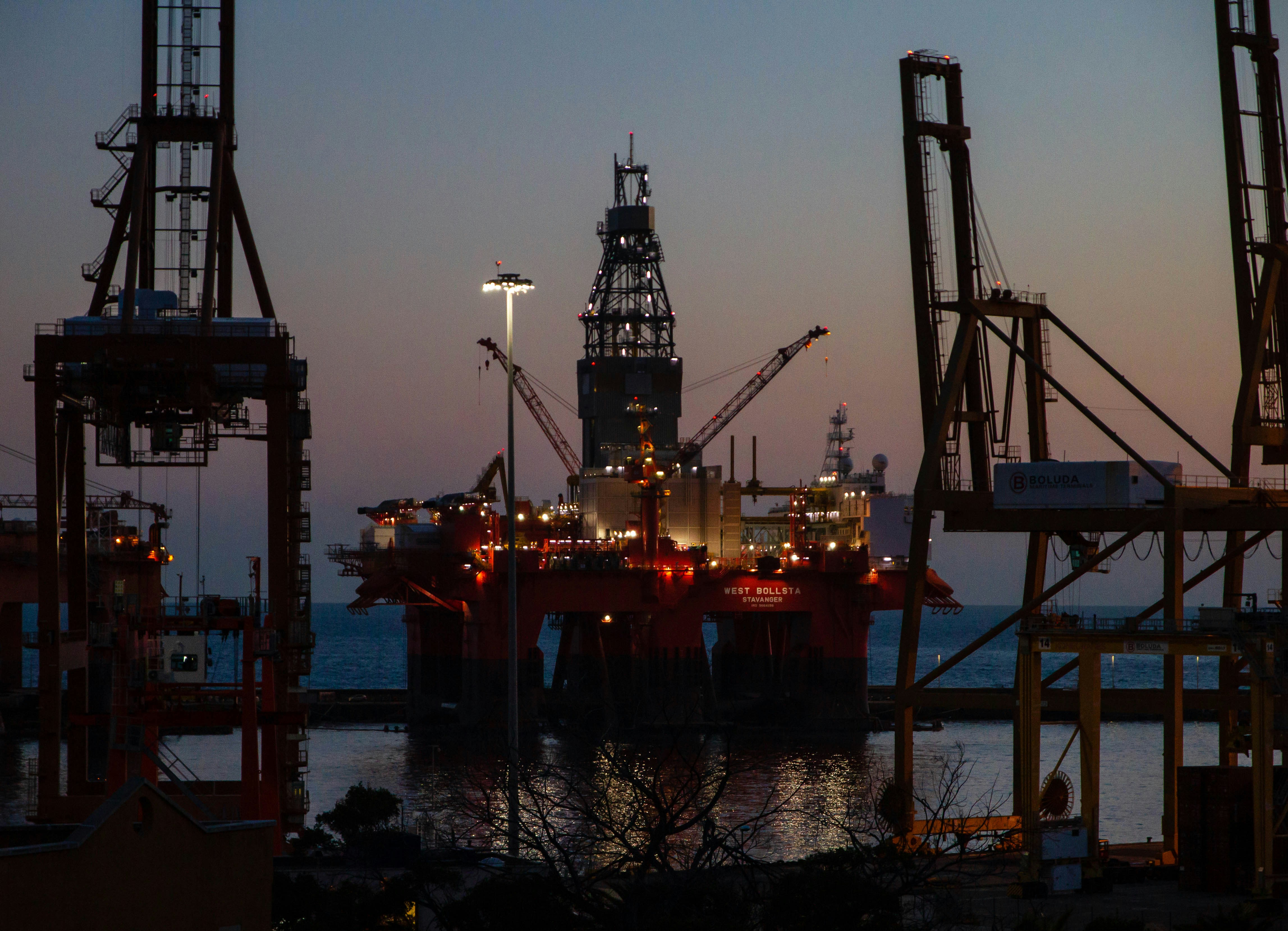
Russia's decision to completely cut off diesel exports has caused a ripple effect around the world in energy markets, leading to multi-year highs in the price of the industrial fuel even in countries that abandoned Russian fuel years ago.
The ban was announced on Wednesday as part of the measures taken by Russia to Favor its own fuel market following regular attacks by Ukrainian drones on oil refineries, which has led to a lack of fuel in many regions and the appearance of long queues at gas stations.
The measure was introduced "with the aim of being simple: to increase the supply of diesel fuel to the domestic market," said Deputy Prime Minister Alexander Novak at a televised meeting with President Vladimir Putin.
The magnitude of the effect
The ban is not only affecting Russia but also having impact on the rest of the world due to Russia's presence in the diesel market. According to a data collation by analytics company Vortexa for Bloomberg, about 11% of the global supply of diesel last year came from Russia, and the ban is likely to last for about three weeks.
The ban expands on earlier restrictions which applied only to non-producing traders — the new one applies to producers also making it much more significant for global supply.
The price action in the market responded in real time. Bloomberg's fair-value data showed the spread between the premium of the benchmark European diesel futures and crude oil jumped to the highest level since at least 2011 on Wednesday.
U.S. ultra-low sulphur diesel futures jumped 11% to $154 per barrel, $80 up from the West Texas Intermediate crude oil futures, and the European low-sulphur gasoil futures reached an all-time high premium to the Brent crude oil futures of $60.77 per barrel.
Compounding an Already Strained Market
The ban comes at a crucial time for the oil market. The export restrictions on Wednesday follow other major disruptions in the Strait of Hormuz, the route of about a fifth of the world's oil, in anticipation of a flattering of a fragile US-Iran ceasefire.
The impacts of compounding were captured by a Energy Aspects analyst. The situation is already bad," Natalia Losada, senior oil products analyst at Energy Aspects, told CNN, referring to the unresolved Middle East crisis, which has already put a cap on flows through the Strait of Hormuz.
Why Diesel Matters So Much
This reason is related to the economic impact of diesel's use, so this is a category of fuel which is receiving a keen focus. Rising oil prices can have a disproportionate effect on the wider economy as diesel powers industrial machinery, farm equipment, heavy transport and electricity generation, and is the biggest contributor to global oil use.
This has been tight for years despite high demand in the post-pandemic period and the closing of several Western refineries.
The Outlook
Russia has indicated that it is "temporary" and "domestically oriented," rather than permanent, and that the ban will expire by month-end. But this time, diesel has again been made one of the weakest links in the global energy chain, where supply shocks thousands of kilometres from the source can hike up the price for consumers and industries directly unexposed to the initial shock.
Latest News
- ◆Delhi Police Detain 100 With Criminal Records Before Protest
- ◆Contempt Plea in Supreme Court Over Delhi Transit Shutdown
- ◆Jantar Mantar Protest: Permission Denied, Curbs Imposed Across Delhi
- ◆Delhi Police Detain CJP Founder, Top Leaders Before Protest
- ◆Dhruv Rathee Detained Ahead of Jantar Mantar Protest in Delhi