
Trump Orders UFO Files Declassified, Ending Decades of Secrecy
A White House executive directive compels U.S. intelligence agencies to unseal UAP records spanning more than seven decades.
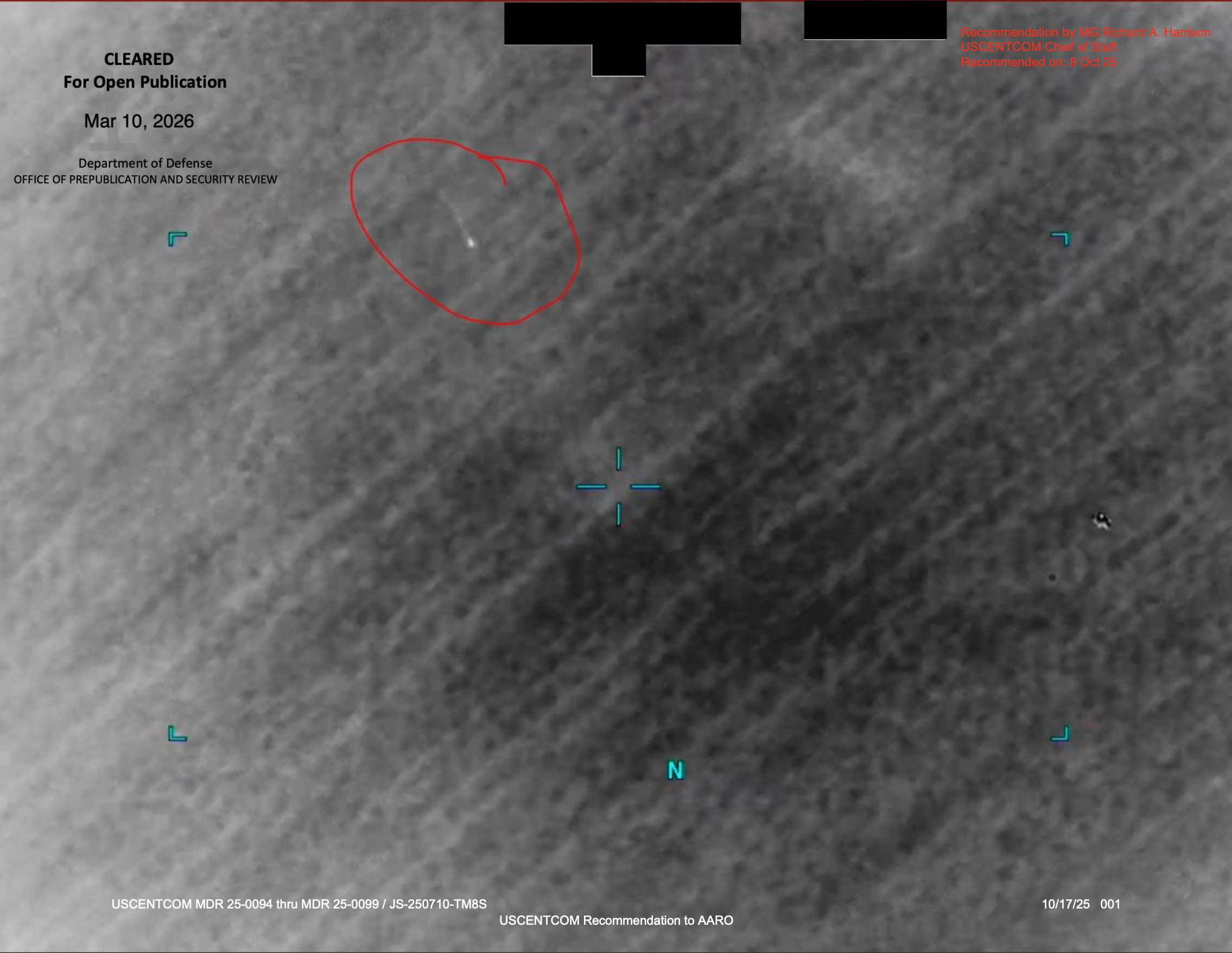
Synopsis
President Donald Trump's January 2025 executive order mandating the declassification of Unidentified Aerial Phenomena records has ignited a pivotal debate around transparency, national security, and unexplained aerial encounters. With intelligence agencies now compelled to unseal files stretching back to the Cold War era, the directive marks the most consequential official step toward UAP disclosure since Congress enacted the UAP Disclosure Act in 2024, establishing a Records Review Board with statutory authority over classified holdings.
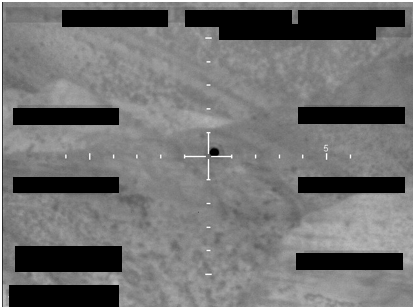
For decades, tens of thousands of pages of classified documents that contain details on unidentified aerial phenomena have sat undisturbed in a secure government archive outside Washington D.C., some of which date back to the early years of the Cold War. On January 20, 2025, that changed.
President Donald Trump signed an executive order yesterday that calls on U.S. intelligence agencies, including the Central Intelligence Agency (CIA), the Department of Defense (DoD), and the National Archives and Records Administration (NARA), to declassify and hand over documents about Unidentified Aerial Phenomena (UAP) — the term the U.S. government now uses for what were previously known as 'UFOs. The order established a 180-day deadline by which agencies must submit declassification reviews, which has spurred the most sustained American government-level examination of UAP transparency ever.
A Long Road to Transparency from Blue Book to the Disclosure Act
But the U.S. government's official involvement with UFOs began in 1947 with the creation of Project Sign, which was eventually renamed Project Blue Book. Project Blue Book officially ended in 1969 with 12,618 UAP investigations conducted by the Air Force, of which 701 were listed as 'unidentified'.
The topic went dormant in the official field for almost 50 years following its shutdown. That all changed in December, 2017, when The New York Times published a report on the existence of a secret Pentagon program, Advanced Aerospace Threat Identification Program (AATIP), to investigate UAP sightings from 2007 to 2012 with a budget of some $22 million, according to the U.S. Department of Defense.
"UAP clearly pose a safety of flight issue and may pose a challenge to U.S. national security." — Office of the Director of National Intelligence, Preliminary Assessment: Unidentified Aerial Phenomena, June 2021
The push for disclosure was enshrined in law by Congress in the UAP Disclosure Act of 2024, which is almost a copy of the President John F. Kennedy Assassination Records Collection Act of 1992. The law called for the creation of a UAP Records Review Board, and mandated that all records pertaining to UAP cases had to be submitted for systematic review and subsequent publication.
The Executive Order and Its Statutory Reach
The agencies that need to be involved are expanded, and the January 2025 executive order by Trump accelerates statutory deadlines. In addition to the CIA and DoD, the order specifies the National Reconnaissance Office, the Defense Intelligence Agency, the National Security Agency, but you can add virtually the entire American intelligence community to that list.
The order does not ensure that all files will be released unredacted. Agencies do have the ability to refuse to disclose information that they consider sensitive to sources, methods or current national security operations. But experts in law and transparency have pointed out that the scope of the order is unprecedented.
"This is the broadest government-level directive on UAP transparency we have seen. For the first time, multiple agencies are being compelled to act within a defined legal framework." — Christopher Mellon, former Deputy Assistant Secretary of Defense for Intelligence
The Pentagon's UAP Office and Documented Incidents
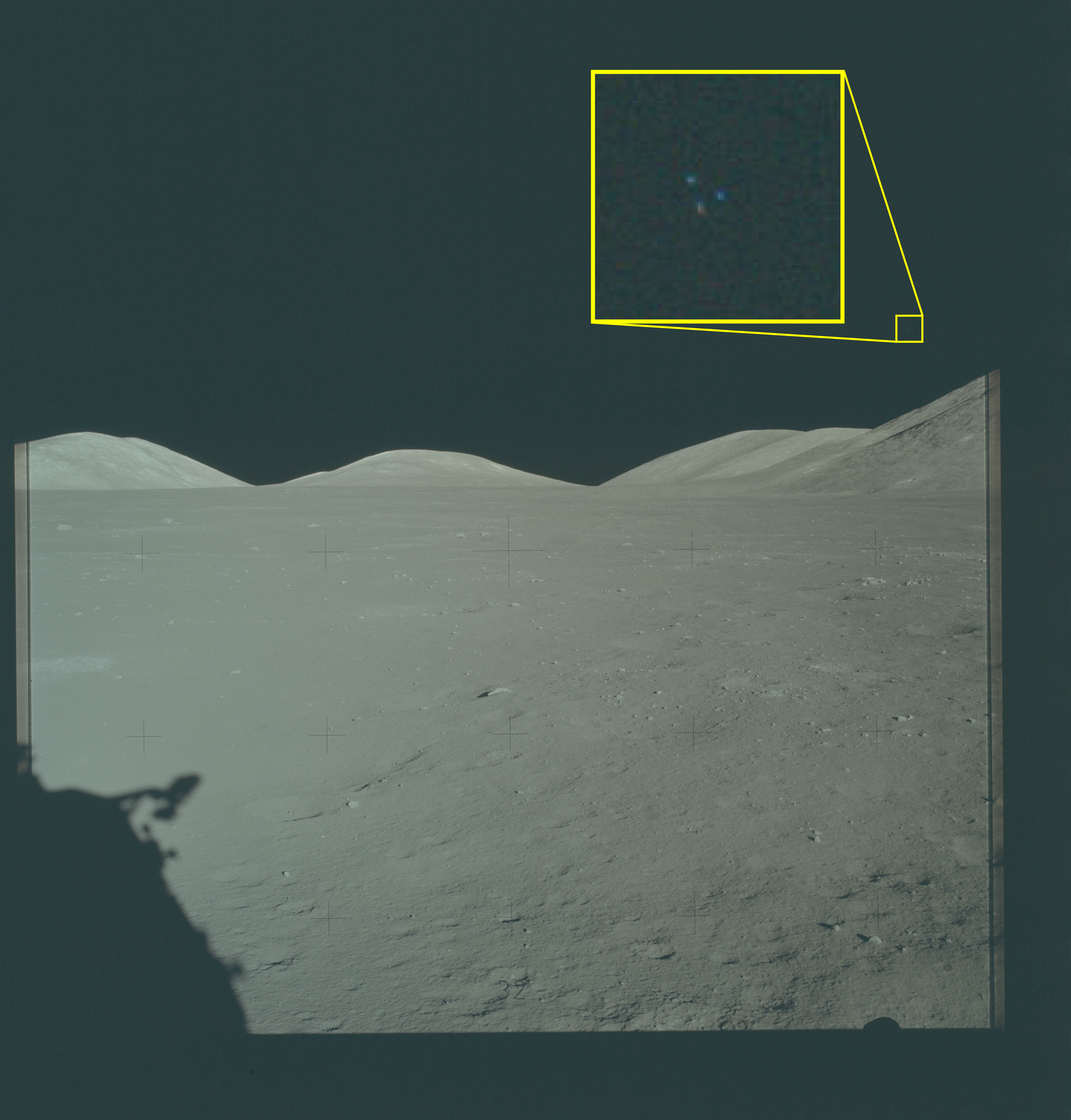
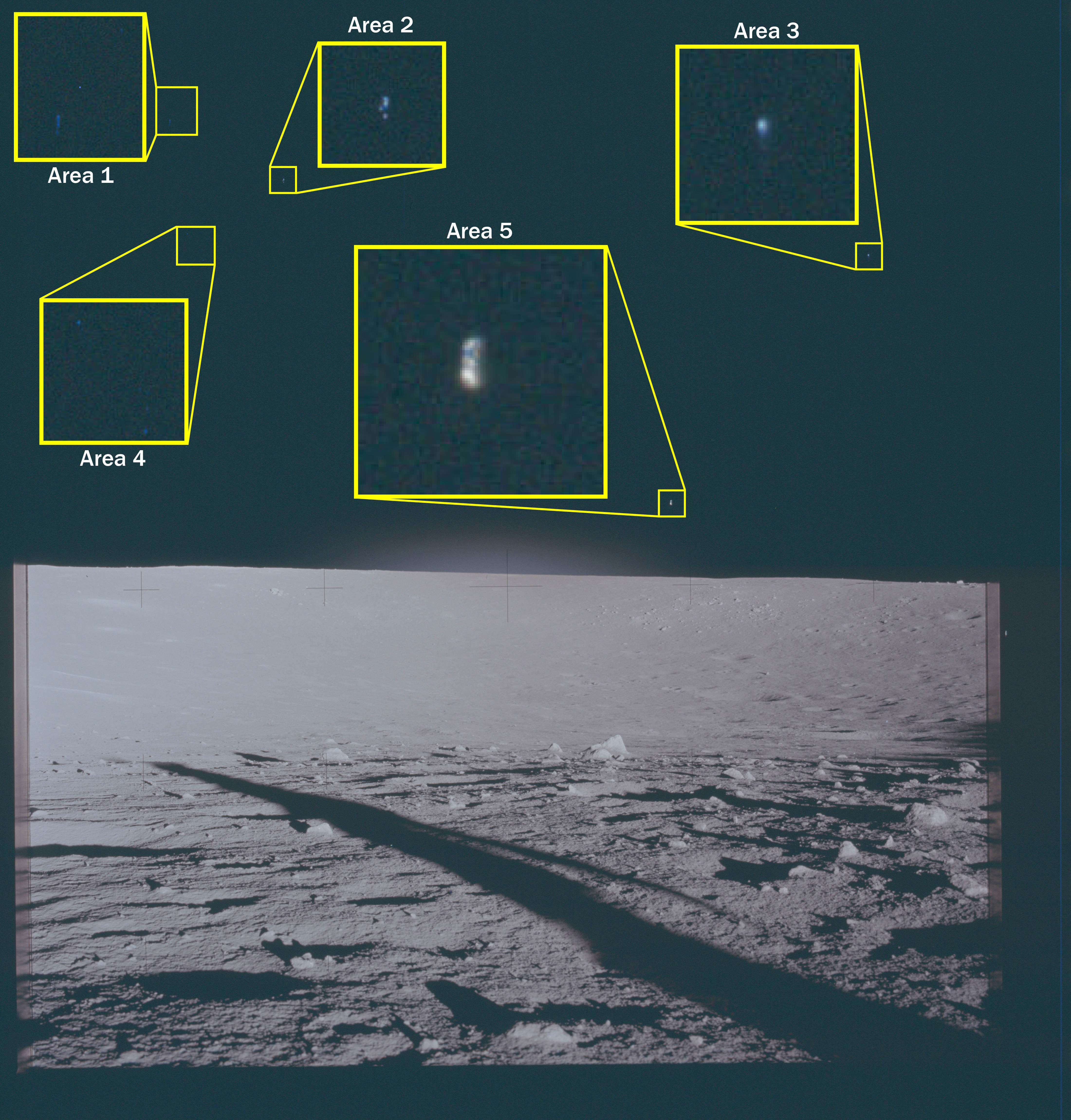
The key agency in the ongoing disclosure process is the All-Domain Anomaly Resolution Office (AARO) created by Congress in 2022 as part of DOD. AARO's statutory role extends to detection, identification and attribution of UAP in all air-, sea-, ground- and space-based domains and is intentionally wider than any previous government investigative role in this field.
In the 2024 historical record report, the largest official UAP investigation document released to date, AARO examined hundreds of sightings and classified programmes, and determined there was 'no verifiable evidence' of non-human intelligence or recovered extraterrestrial materials. The report noted, however, that there were still significant deficiencies in the existing sensor network, inter-agency protocols for sharing information, and reporting procedures for UAP sightings in the military service branches.
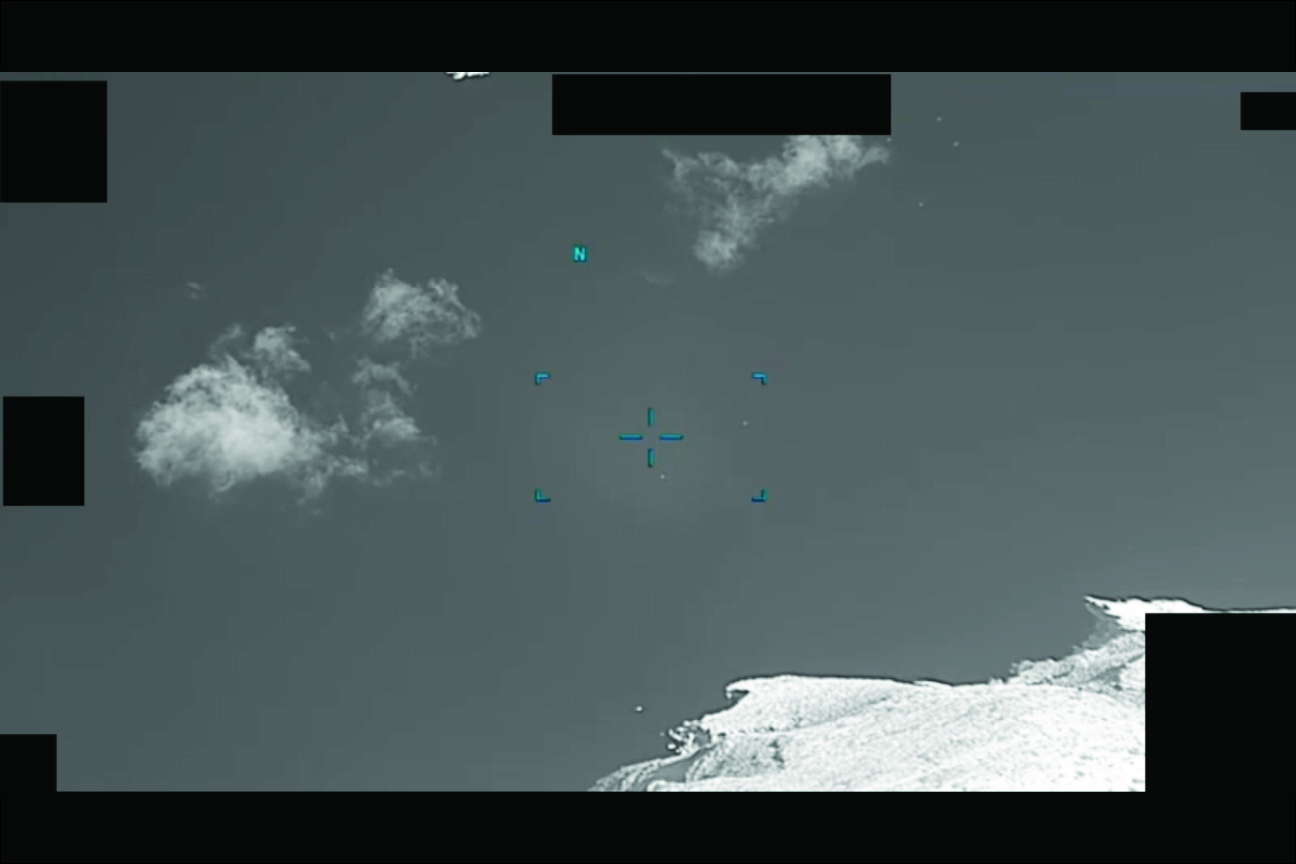
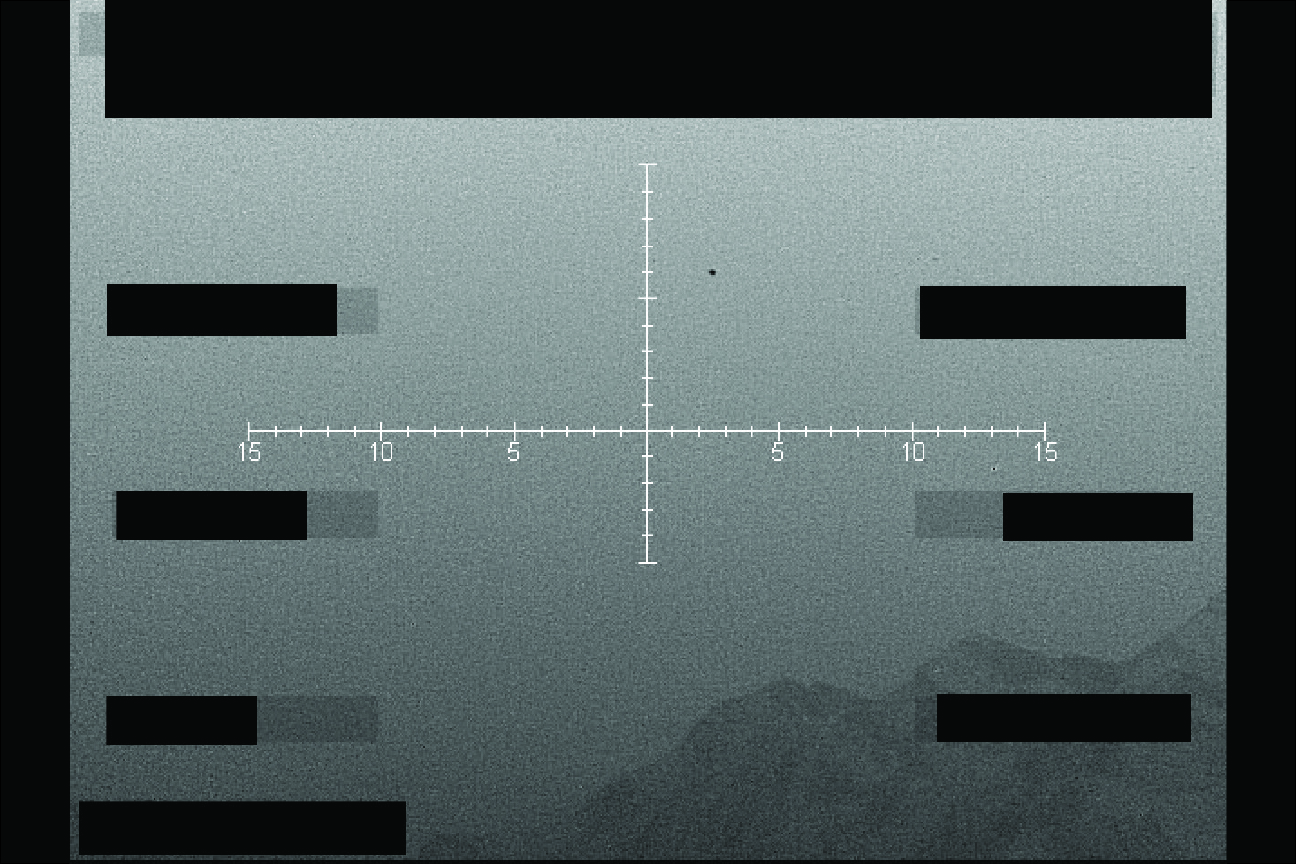
Three UAP sightings from the review period have grabbed widespread attention and garnered considerable scientific investigation: the 2004 sighting off the coast of California by Navy pilots who caught an object exhibiting flight characteristics that were inconsistent with known aircraft; the 2015 ‘Gimbal' and ‘GoFast' videos recorded by Navy F/A-18 Super Hornets; and a 2019 incident in which an unidentified spherical object was reported to have entered the ocean aboard the USS Omaha. In April of 2020, the Pentagon confirmed and published all three videos, which it describes as being 'formally unidentified'.
This class will cover whistleblowing, Congressional testimony, and the Grusch Disclosure
The disclosure debate hit a new level of institutional gravity in July 2023 when former U.S. Air Force intelligence officer and AARO representative David Grusch appeared before the House Oversight Committee's national security subcommittee. Under oath, Grusch admitted for the first time in his testimony that the U.S. government has for decades maintained covert programmes to recover and analyze biological and 'non-human' craft.
"I was informed in the course of my official duties of a multi-decade UAP crash retrieval and reverse-engineering programme to which I was denied access." — David Grusch, sworn testimony before the House Oversight Subcommittee on National Security, July 2023
In a statement, the Department of Defense's Inspector General stated that Grusch's complaint was forwarded to Congress as a ‘credible and urgent’ matter under the Intelligence Community Whistleblower Protection Act, which carries specific legal weight under the classification and oversight regime, but does not confirm the nature of his allegations in open session. International precedents and scientific scrutiny.

The United States is not the only country to have regular UAP document review. In 2020, the Ministry of Defense (MOF) of Japan gave guidelines for UAP reporting for SDF members. Between 2008 and 2013, the United Kingdom's National Archives made the Ministry of Defence UFO files (over 50,000 pages) available. Since 2022 there has been an official UAP investigation programme in Brazil called Sistema de Investigação de Fenômenos Aéreos Não Identificados (SIOANI).
Reception has been mixed in the scientific world. In September 2023, NASA reported its results from an independent study group on UAPs, which called for a robust, calibrated data-collection framework, and formal destigmatisation of the reporting of UAPs in the scientific and aviation sectors.
"The top priority for NASA is to understand what data can be collected in the future to shed light on the nature and origins of UAP." — Dr. David Spergel, Chair, NASA UAP Independent Study Team, and President, Simons Foundation, September 2023
The issue of disclosure and delimitation: what comes next?
Trump's 180-day executive order sets a date of mid-2025 for the first batch of formally declassified records to become public. The extent to which what is eventually revealed is of good quality, how much is being released, and what types of information will be disclosed will make the difference between real transparency and a more limited sharing of already-acknowledged information, analysts, historians and national security researchers noted.
Defence and aerospace policy researcher Ravi Shankar, of New Delhi, who has been observing UAP policy developments in various jurisdictions for the last few years, puts the importance of the directive in the context of institutional architecture and not any specific sighting.
"The question is not whether one file confirms or denies anything specific. The question is whether a durable framework for transparency is being built — one that outlasts any single administration." — Ravi Shankar, Defence Policy Researcher, New Delhi
What eventually comes out of the archives comes down to a choice between the paradigm-shifting revelation that advocates have long wanted to see, or a more procedural, and account of unaccounted aerial anomalies. The impact of Trump's order is not so much in what it exposes as in what it documents: the institutional history of unexplained aerial events observed over the United States for the past 70 years is now in the public records.
Latest News
- ◆NSE's $2.3 Billion IPO Draws Over $10 Billion In Bids
- ◆India-New Zealand Free Trade Pact To Take Effect October 20
- ◆Tata Group Governance Feud Deepens Over Chandrasekaran's Term
- ◆India Reaffirms Push For Constructive Ties With Bangladesh
- ◆Teen Gang-Raped Near Delhi Temple, One Suspect Held In Encounter