
Trump Reimposes Naval Blockade on Iran
US reinstates a blockade on Iranian ports and proposes a 20% toll on Hormuz shipping, unravelling last month's ceasefire deal with Tehran
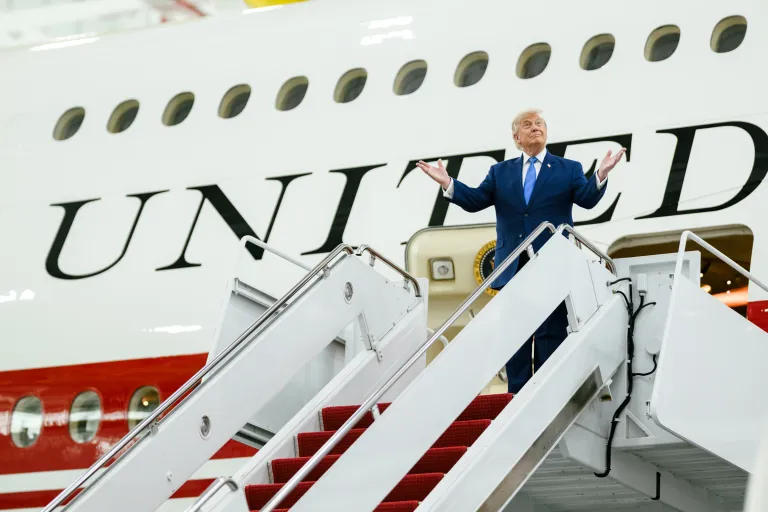
Washington/Tehran: US President Donald Trump on Monday announced a new naval blockade of Iranian ports and coastlines, and a proposal to levy a fee on commercial shipping passing through the Strait of Hormuz, after a ceasefire seemed to bring an end to the 2026 Iran war.
Blockade Takes Effect
Blockade was implemented on July 14 at 4 pm ET by US Central Command on all Iranian ports and coastal areas. In a statement cited by Axios, the Navy said it would start enforcing a naval blockade of all Iranian ports and Iranian coastal areas, warning that it would extend to all vessel traffic, irrespective of flag.
Trump, on his social media site, declared that the U.S. would now be “the guardian of the Hormuz Strait” and would demand that all goods shipped through the vital waterway be paid for at a 20% rate, ABC News reports. He told Fox News that his position on the proposal is backed by an unusual fact: "We guarded the strait for 50 years, and never got a dime for it.
The collapse of a Fragile Truce
Trump's move effectively ends the ceasefire that began on June 14, and the memorandum of understanding he signed with Iranian President Masoud Pezeshkian at the Palace of Versailles on June 17.
The cease-fire was short-lived after the Islamic Revolutionary Guard Corps (IRGC) began to attack commercial shipping in recent days, leading to renewed US attacks hitting "Iran's ability to continue attacking international shipping flowing through the Strait of Hormuz,"
The crossing was crucial, as data and analysis company Kpler said oil crossing numbers had dropped by over 50% in the past week leading up to the blockade. Wikipedia's summary of open-source reporting on the war shows that before the 2026 conflict, the strait was used for 25% of seaborne oil traffic and 20% of LNG shipments.
Toll Proposal Draws International Pushback
Even in Washington, the proposed toll has come under criticism. Secretary of State Marco Rubio has been vocal and public in his opposition to such a tax, stating in June during a visit to Bahrain that "there isn't a nation on earth that supports having to pay money to go through the straits. IOM said it had "noted" Trump's announcement but that it has "no legal basis" to impose "mandatory tolls just to pass through a strait.
Market Impact
After the news, Brent crude futures surged to more than $83 a barrel and NPR reported the US average price of regular petrol rose to $3.87 a gallon based on AAA data.