25 Years After 9/11, World Reckons With Legacy
As America marks a quarter-century since the attacks, India's leadership renews its call against terrorism while scholars debate the day's enduring global cost
Synopsis
In the wake of scholars' analysis of the long-term global repercussions of the September 11 attacks, including an $8 trillion "War on Terror," memorial services occurred throughout the United States on the 25th anniversary of the attacks. PM Narendra Modi repeated the country's firm stance against terrorism and India's decades-long history of cross border attacks.
After 25 years, the stories are now finally emerging
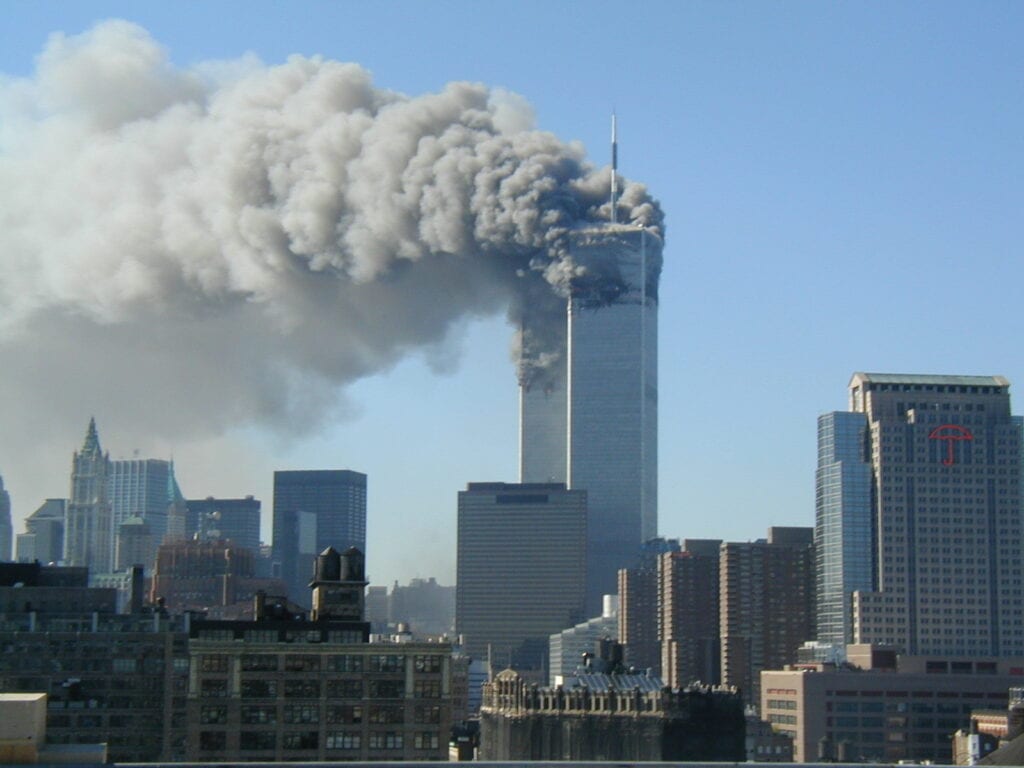
The United States on Friday celebrated the 25th anniversary of the attacks on nearly 3,000 people on four commercial planes hijacked by 19 attackers of Al-Qaeda and detonated in New York, Washington and Pennsylvania.
Families of those who died in the 2001 attacks and the 1993 World Trade Centre bombing gathered in front of the memorial at the National September 11 Memorial & Museum in lower Manhattan to read aloud the names of the 2,983 men, women and children who were killed in the attacks.
Moments of silence were observed after the names were read to mark the collapse of each of the two towers, the attack on the Pentagon and the crash of Flight 93 in Pennsylvania.
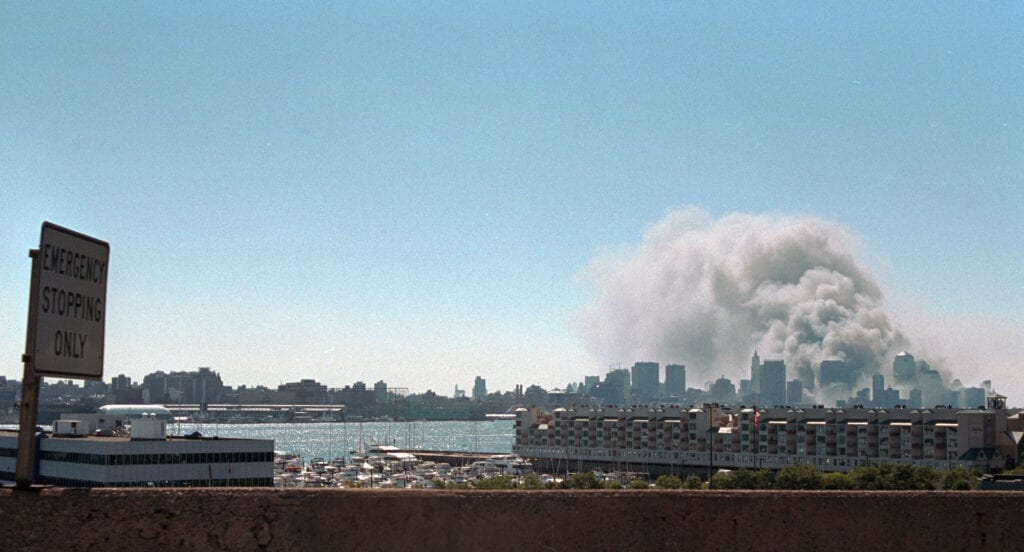
The day was marked across the country with wreath laying ceremonies, flag hoisting, vigils and volunteer service projects, while schools took the opportunity to teach a generation that's now too young to remember it.
India's Response
Prime Minister Narendra Modi issued a statement based on India's own history of terror. 25 years since the horrific attack on 9/11, a day when terrorists took the lives of many, including those in this country. India has been a victim of cross border terrorism for decades and has been leading this war like no other nation, Modi posted on social media site X.
He also noted that the threat will "last for a while" even if it is in different "shapes". The threat continues to evolve, the resolve and opposition to Pakistan's enemies in all forms and manifestations remains unwavering, the Prime Minister said, while sharing pictures taken during his visit to the 9/11 Memorial & Museum in New York in 2014.
Supervisors will have the discretion to determine the cost of the "War on Terror
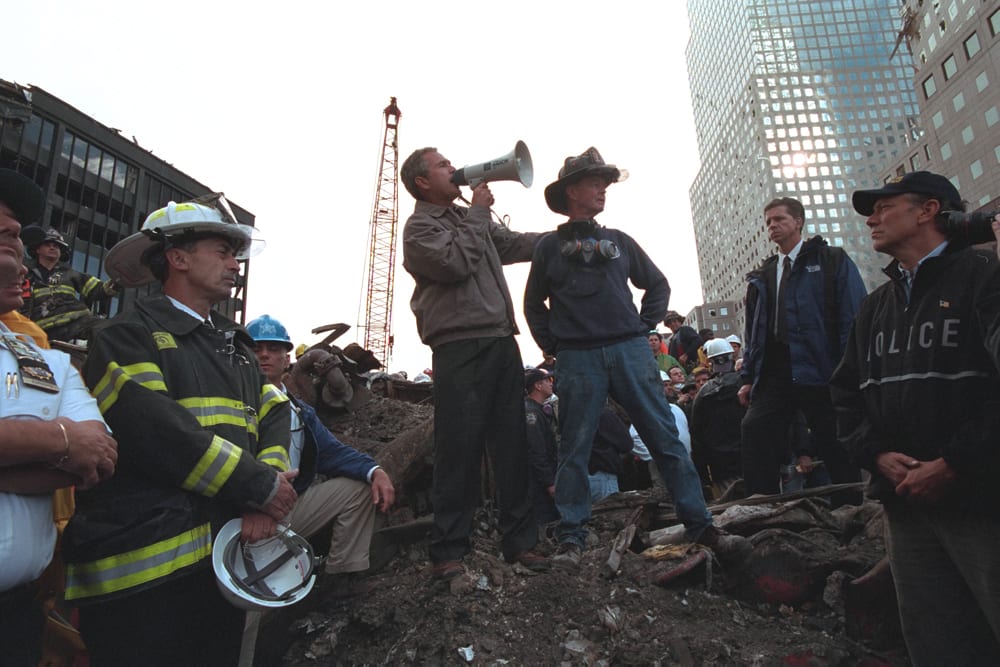
One of the most quantifiable impacts around the world was the size of the American military and security reaction. The USA fought a "Global War on Terrorism" that was to become the longest war in American history and cost the American taxpayers over $8 trillion.
The security infrastructure was also revolutionised around the world. Biometric identification went from being a dim corner dinky to a global security need: before 2001, there was only one country that issued biometric passports; today, more than 140 countries do.
The institutional structure of counterterrorism changed the law and civil liberties discussion in the United States. Less than a week after the attacks, Congress approved an Authorisation for Use of Military Force, which was voted on by the Senate 98-0 and the House of Representatives 420-1, and which has been used by successive presidents to justify military operations in dozens of countries. At the same time, the normalisation of mass surveillance and expanded data collection launched civil liberties debates that continue to this day, as well as immigration policies like the 2002 National Entry and Exit Registration System, which was targeted at non-citizen men from 25 mostly Muslim-majority countries, and was later phased out following accusations of religious and racial profiling.
The institutional structure of counterterrorism changed the law and civil liberties discussion in the United States. Less than a week after the attacks, Congress approved an Authorisation for Use of Military Force, which was voted on by the Senate 98-0 and the House of Representatives 420-1, and which has been used by successive presidents to justify military operations in dozens of countries.
At the same time, the normalisation of mass surveillance and expanded data collection launched civil liberties debates that continue to this day, as well as immigration policies like the 2002 National Entry and Exit Registration System, which was targeted at non-citizen men from 25 mostly Muslim-majority countries, and was later phased out following accusations of religious and racial profiling.
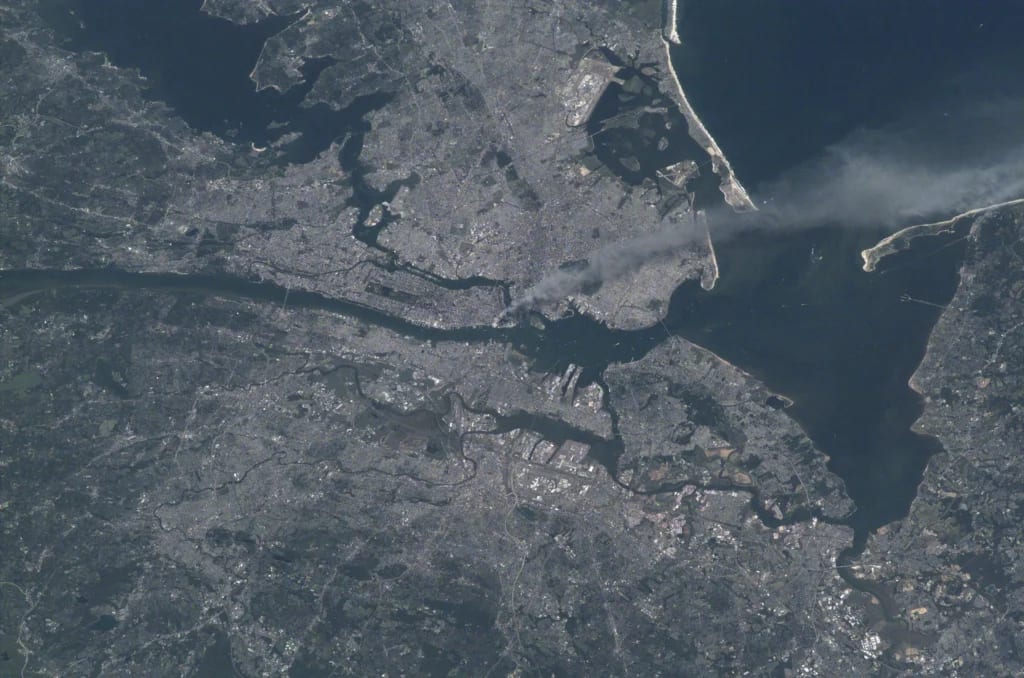
A changed threat perception
The concern of the public regarding the nature of the threat has been radically different over the course of the period. Reuters-Ipsos polling results from mid-2013 showed that 28 percent of Americans felt foreign terrorism was their primary security threat, while 42 percent felt the threat of mass shootings or random violence was their primary security threat, and 33 percent felt internal extremism was their primary security threat.
Those who reviewed the anniversary, however, pointed out that there were challenges in isolating the effects of the day from today's conflicts. The attacks "spawned fits of fear and fury in the United States, from the first 'war on terror' and its attendant invasions of Afghanistan and Iraq to the 2026 attack on Iran," wrote Boston University historian David Mayers.
But lessons from the limits of military intervention have yet to be learned, said Rice University's Nathan Citino: "In some ways, in the current war with Iran, we haven't learned the lessons of 9/11 in terms of the limits of military power.
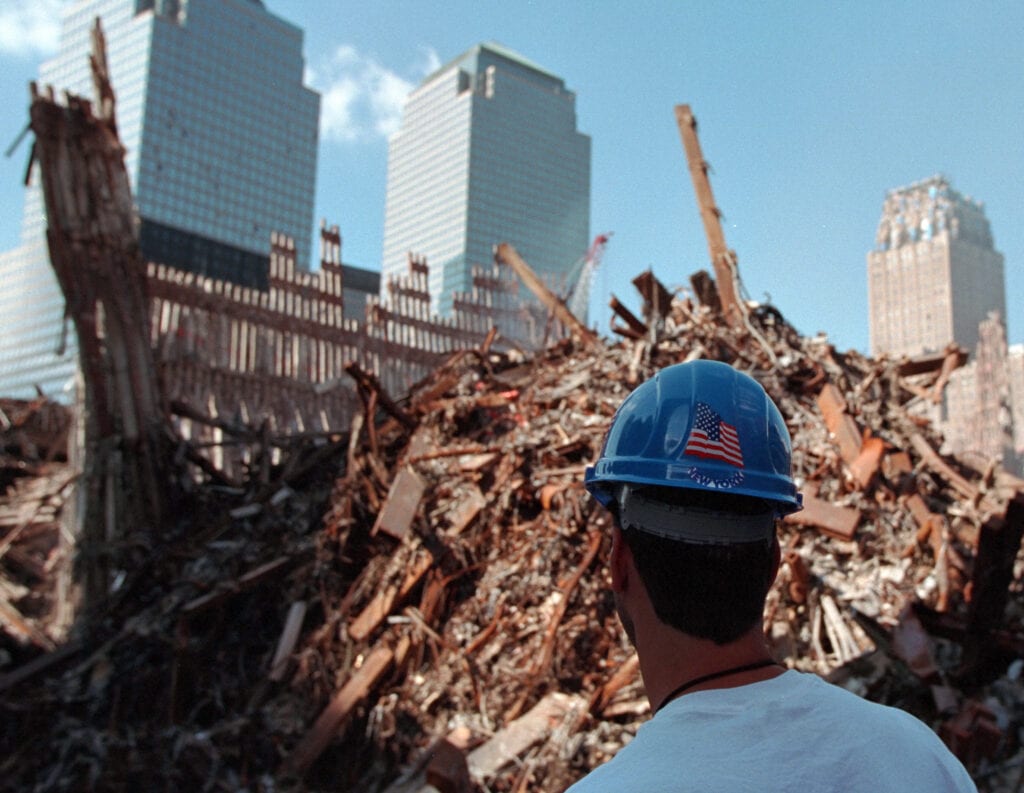
A Generational Shift in Memory
A demographic shift in the sense of the day was also noted by scholars. At this stage, the majority of students in any given class were either born after 9/11, or were too young during the attack to recall it clearly, thus creating a generational difference in how students study, rather than remember, the attacks, a Weber State University historian said.
Looking Forward
As the 25th anniversary approached on the ground in New York, Washington and Shanksville, and with India's leadership once again confirming its anti-terror stance, the consensus among experts and policy makers is that the structure of the day itself – in surveillance, military doctrine and border security – is more lasting than the memory of the attacks themselves, despite the changing nature of the perceived threat.
Latest News
- ◆Clashes Erupt Over Proposed Mega-Dam Project
- ◆Trump Warns of Fresh Strikes on Iran, Citing “Another Little Epic Fury”
- ◆Hormuz Attacks Push Brent Crude to About $117 as War Fears Return
- ◆Netanyahu Reiterates Regime Change in Iran as Israel Heads to the Polls
- ◆France’s Luxury Stores Board Up Windows Ahead of a New Wave of Protest
Read More
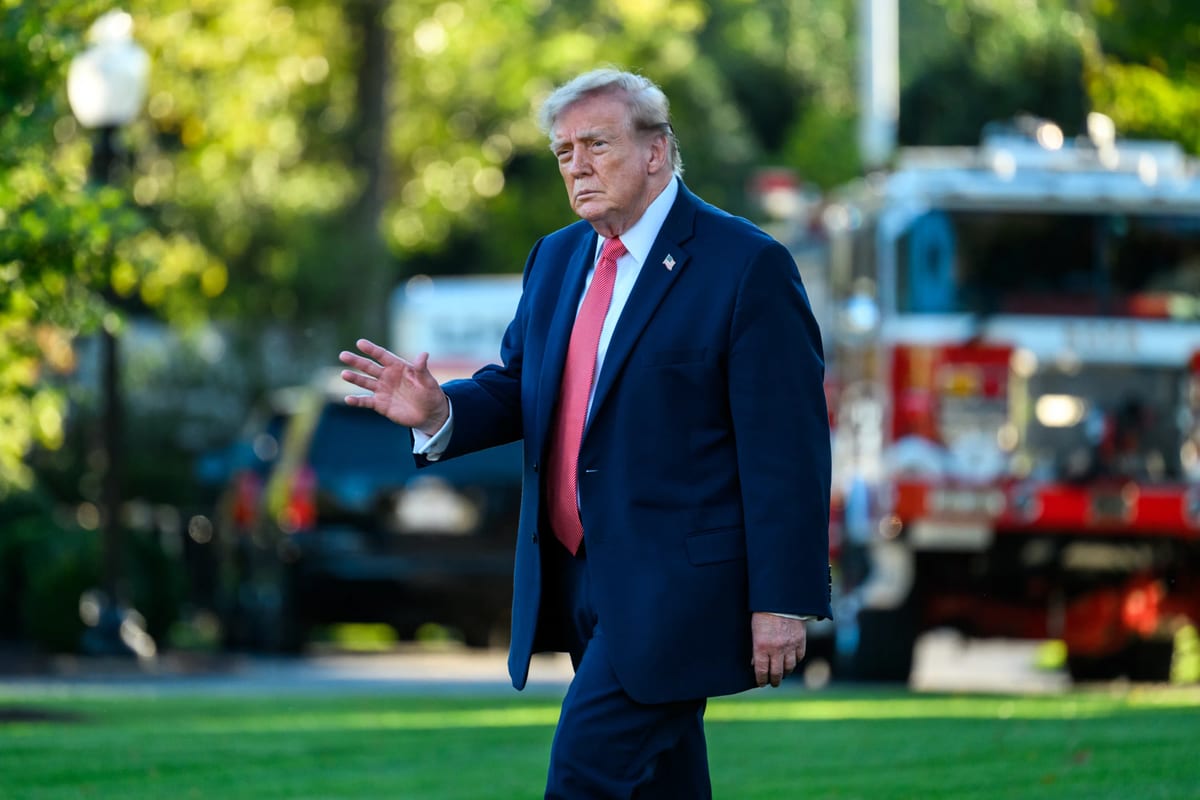
Trump Warns of Fresh Strikes on Iran, Citing “Another Little Epic Fury”
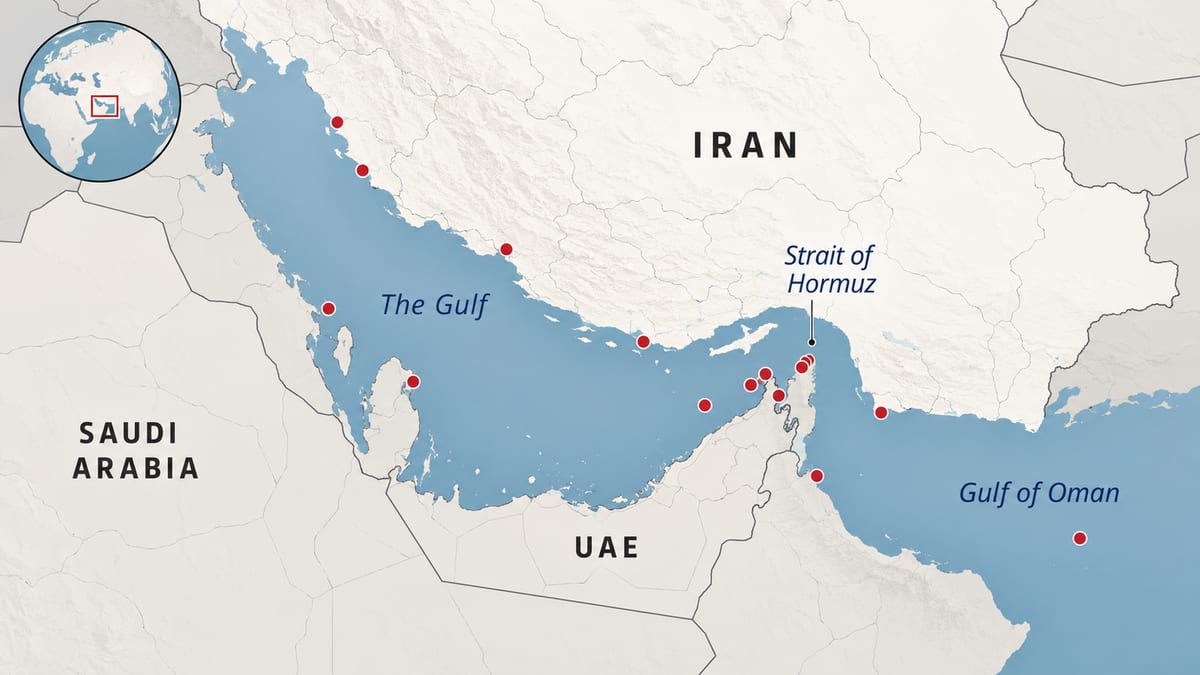
Hormuz Attacks Push Brent Crude to About $117 as War Fears Return