Clashes Erupt Over Proposed Mega-Dam Project
The protests targeted the proposed 11,200-megawatt Upper Siang Multipurpose Project
Synopsis
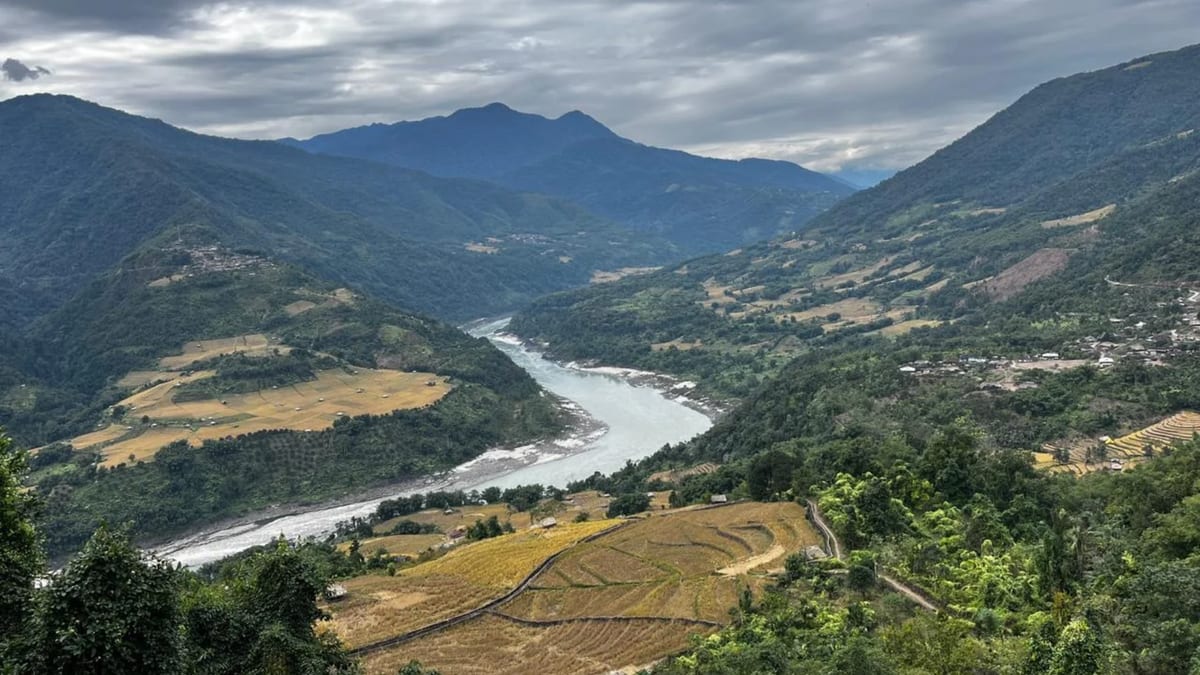
Angry protesters opposing a proposed mega-dam in the Himalayas, designed to counter a Chinese hydropower project, clashed with police and set buildings on fire in the northeastern Indian state of Arunachal Pradesh, authorities said.
The Mob
The protests targeted the proposed 11,200-megawatt Upper Siang Multipurpose Project, developed by state-run hydropower company NHPC, Chief Minister Pema Khandu told on Saturday, October 24, 2026.
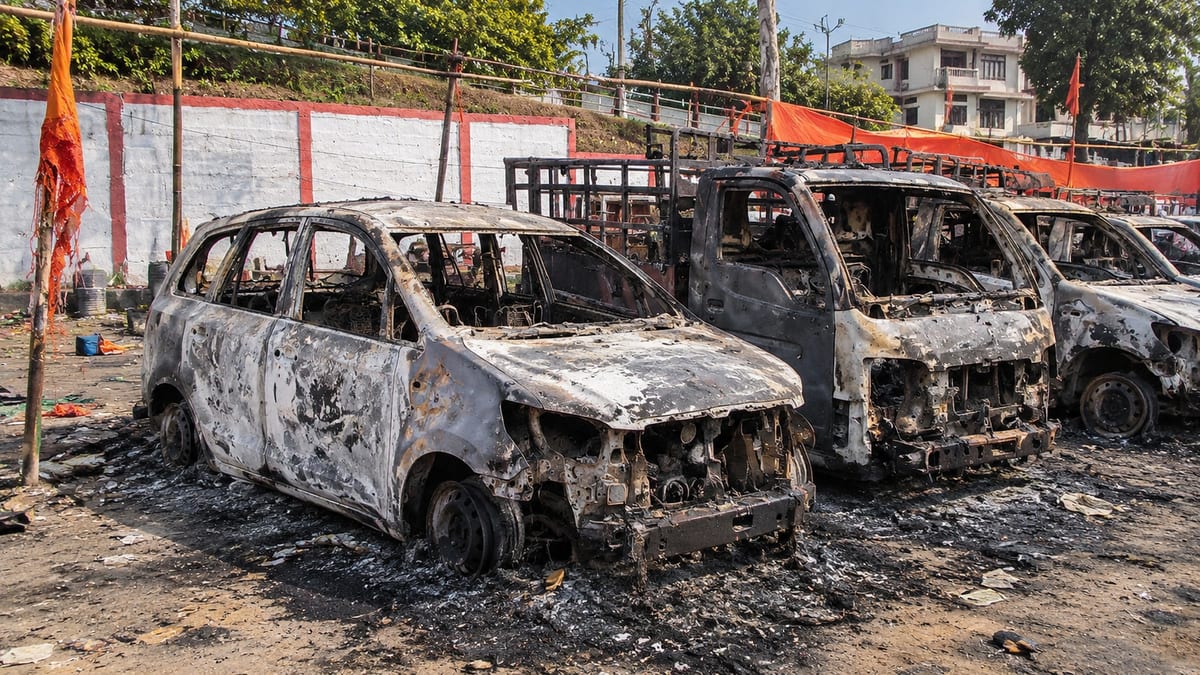
"The mob destroyed a large amount of property. The police station and the NHPC office were attacked, while the homes of several elected representatives were looted," Khandu said.
Around 40 police officers were injured by stones thrown by protesters. Police used tear gas to disperse the crowd.
Khandu urged opponents of the project to engage in dialogue with the government rather than resort to violence. "Question us, engage in dialogue with us instead of violence," he said.
Why Is the Project Important?
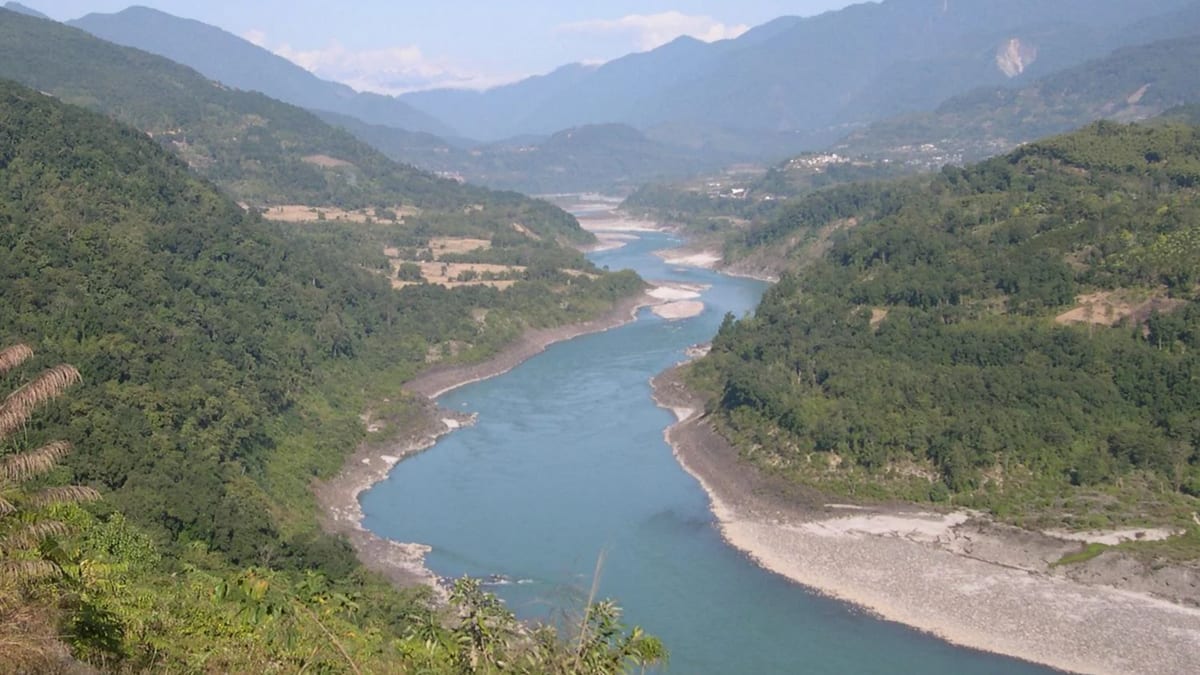
India maintains that the proposed dam is necessary to counter China's $167 billion Yaxia project in Tibet, which could become a record-breaking hydropower development.
New Delhi fears that the Chinese project could disrupt water flows. The proposed Indian dam would create a vast reservoir to store water and help maintain the flow of the Brahmaputra River.
Beijing has insisted that its project will have "no negative impact". China claims Arunachal Pradesh as part of southern Tibet, while India maintains that the state is an integral part of its territory.
The proposed Indian dam, which would become the country's largest hydropower project, has faced fierce opposition from local communities fearing the loss of their homes and land.
The Controversy
The controversy highlights tensions between the world's two most populous countries, which share a disputed Himalayan border patrolled by tens of thousands of troops.
India's foreign ministry said on Friday, October 23, 2026, that the two countries remained in regular contact to manage border tensions, after senior Indian border police official Shatrujeet Kapur reported "clashes" between Indian and Chinese forces.
"The situation in the India-China border areas becomes tense from time to time because Chinese forces deviate from established patrolling patterns," foreign ministry spokesman Randhir Jaiswal said. "Both sides continue to use existing diplomatic and military mechanisms to resolve outstanding issues," he added.
Latest News
- ◆Clashes Erupt Over Proposed Mega-Dam Project
- ◆Trump Warns of Fresh Strikes on Iran, Citing “Another Little Epic Fury”
- ◆Hormuz Attacks Push Brent Crude to About $117 as War Fears Return
- ◆Netanyahu Reiterates Regime Change in Iran as Israel Heads to the Polls
- ◆France’s Luxury Stores Board Up Windows Ahead of a New Wave of Protest
Read More
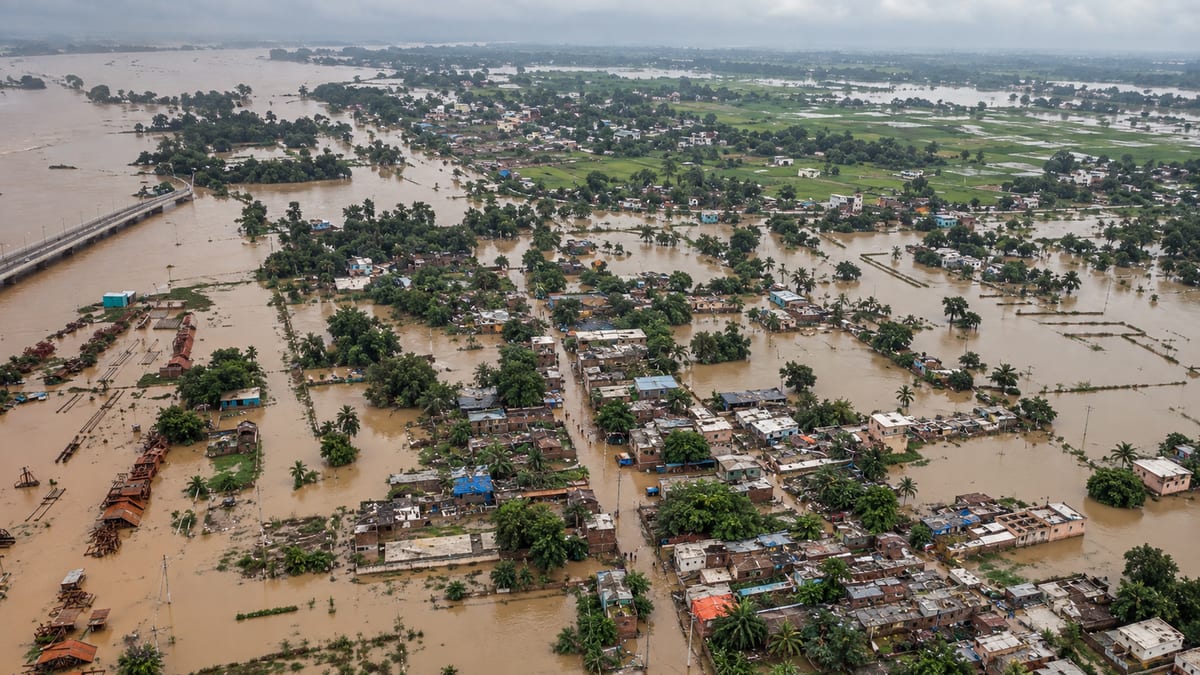
Gandak Reaches Record 91.25 Metres, Breaching Embankments in Bihar and Uttar Pradesh
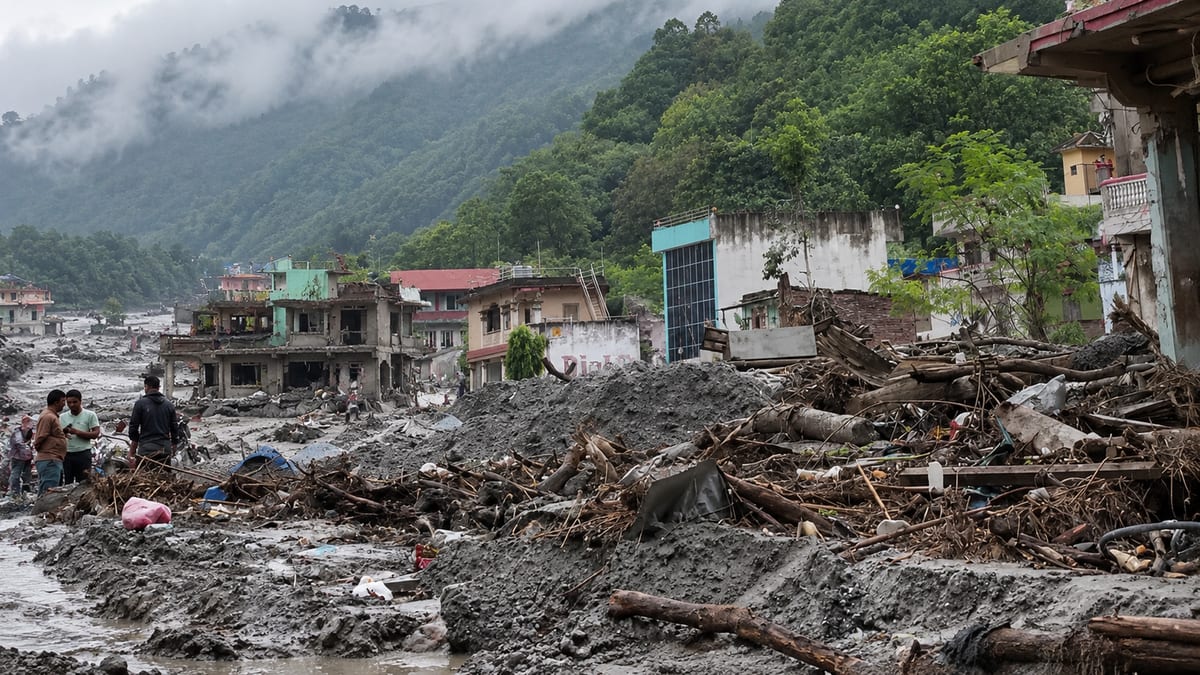
Ten Days On, Nepal Pulls Survivors From Ruins