
SYNOPSIS
The Cannes Film Festival is the Pinnacle of global cinema, a place where filmmakers, producers, distributors and artists come together to celebrate storytelling beyond borders. Cannes is embracing social media influencers; the shift reflects a larger transformation in the attention economy. Will cinema be able to thrive in an era where attention is measured in seconds rather than stories?
What is Cannes?
The Festival de Cannes is now the world’s most prestigious film gathering, as well as its most widely publicised cultural event. Today a major forum for film-producing countries, its history, selections and prizes are usually thought to date back to 1946, the year of the first festival proper. The primary purpose of the Festival is to promote the development of the international film industry's cinematic market.
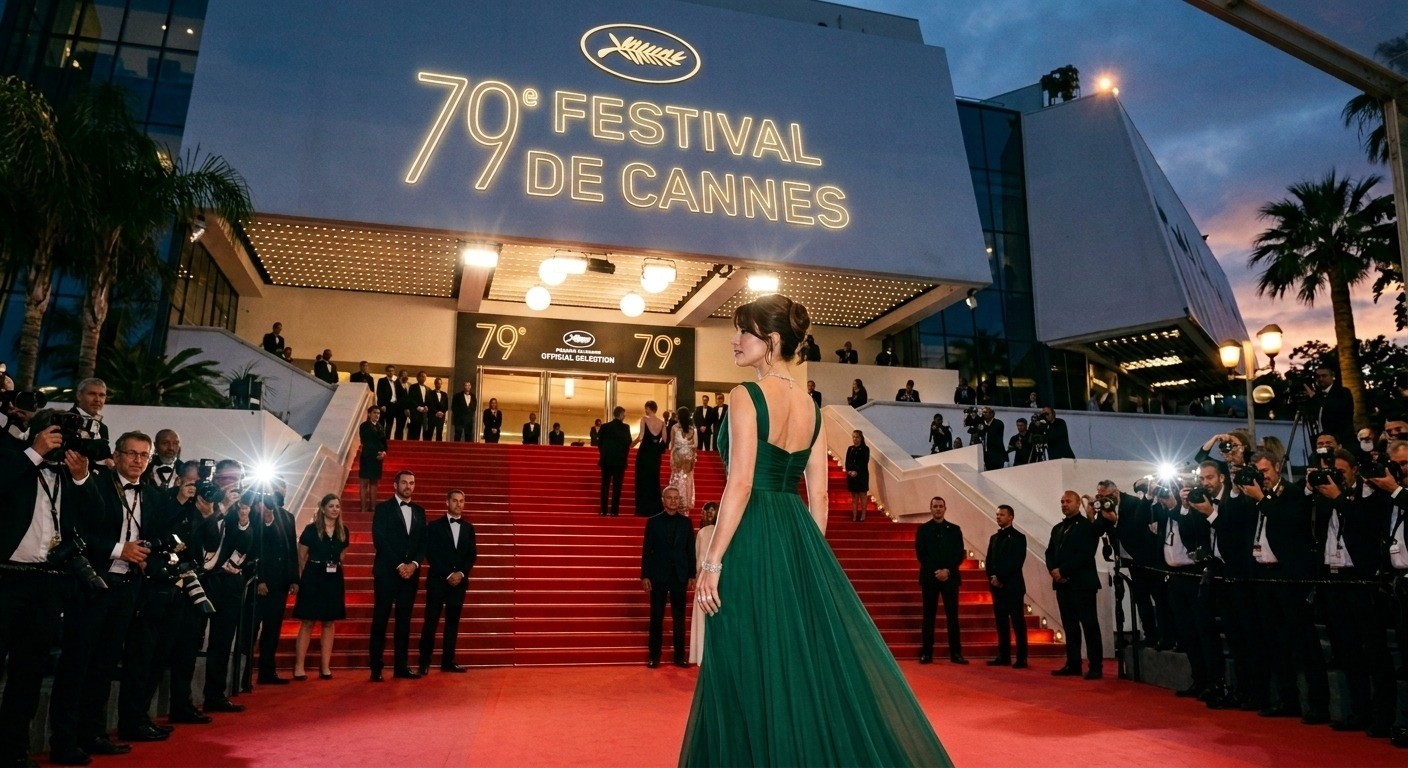
Hosted and run by an official non-profit organization called the Association Française du Festival International du Film. It serves as a prestigious platform for discovering new talent and showcasing diverse storytelling. The latest Cannes Film Festival took place, 79th edition of the Festival in the French Riviera.

What Happens at Cannes Beyond the Glamour?
The Cannes Film Festival is no longer limited to movies and stars; it's now a platform for the representation of culture, roots and traditions. It has been lately witnessing the absence of major Hollywood, Bollywood names and studio movies, yet the festival received entries for 2,541 feature films from across the world, Russia, Spain, France, Germany, Japan and Korea. “Most people see Cannes as red carpets, fashion, yachts, and celebrity photos, but for the film industry, Cannes is really one giant ecosystem built around cinema,” says producer Neeraj Churi.
Why Cannes Needs Influencers?
Luxury brands have always been present at Cannes, but influencers have transformed the scale of the spectacle surrounding the festival. “A lot of people now attend mainly for the red carpets through brand invitations and collaborations,” says Sinha. Due to a decrease in attention span, there is a major shift towards social media Influencers at Cannes. The Festival and its corporate sponsors use Influencers to combat the modern “Attention Economy” challenge, where traditional long-form media struggles to compete with short-form content.
How Do Influencers Benefit Cannes?
Fan following running into millions and a universal appeal that sees audiences find Influencers more approachable, authentic, and relatable, these influencers are no less than celebrities and brands in themselves. It’s not just content consumers who’ve noticed them, but global brands too, who’ve roped them in as their brand ambassadors. On the other hand, luxury brands like L'Oréal, Chopard, and fashion houses sponsoring Cannes, an influencer with 20 million followers can generate more impressions in a day than traditional entertainment media. In the modern attention economy, influencers provide cheap, massive reach, bridges the gap between younger digital audiences and niche arthouse cinema.
Who is Representing Cannes Today?
India’s long-standing association with the prestigious Cannes Film Festival goes all the way back to 2002 when Aishwarya Rai Bachchan and Shah Rukh Khan gave us an iconic red carpet moment, In the recent incident, Aishwarya Rai Bachchan has been the face of L'Oreal Paris at Cannes for over two decades. This consistent presence has earned her the unofficial title "Queen of Cannes", this year however, she was absent from the Croisette, in her place, L'OREAL took a different approach, the brand partnered with three Indian digital creators - Rida Tharana, Ishita Mangal and Sufi Motiwala to represent it's Cannes presence. The shift reflects how legacy ambassador marketing is shifting towards creator-led content strategies.
Why Creators Are Replacing Celebrities?
Cannes has changed because attention has become more valuable than art. Cannes Film Festival 2026 made this more visible in ways that metrics such as reach and impressions do not fully capture.
In today's digital economy, the winner isn't always the best filmmaker; it's the one who has more following on Social Media.
Will cinema be able to survive in an age where attention lasts only fifteen seconds?