
CBI Arrests Key Mastermind in NEET-UG 2026 Biology Leak
The Central Bureau of Investigation has nabbed the alleged architect of the NEET biology paper leak, rocking India's medical entrance system for the second time in two years
Synopsis
The Central Bureau of Investigation has arrested a person allegedly behind the leaking of the biology paper in the NEET-UG 2026 exam. The arrest comes as the latest step in a long-running investigation into a "scheduled examination fraud". The incident has led to a surge of renewed and pressing doubts regarding the fairness and transparency of the country's top medical entrance test, which was also marred by a massive cheating scandal in 2024.
Another Examination, Another Betrayal
The leakage of the NEET papers has left Arjun Sinha, who has been studying at a coaching centre in Kota, Rajasthan for four years and has been paying an annual fee of about Rs 1.5 lakh, devastated.
Investigators with the CBI in May 2025 arrested a person who is believed to have leaked the biology section of the National Eligibility cum Entrance Test (Undergraduate) or NEET-UG, the common entrance examination for admission to medical and dental undergraduate programmes in the country.
The CBI has yet to publish the complete name and other details of the accused, as it is the practice to give formal identification only when chargesheet is issued. According to officials, the person was tracked after the various evidence created on the Internet was examined through digital evidence and was arrested in the process.
The person was arrested after surveillance and digital evidence analysis was conducted, confirming that they had circulated the content of the question papers prior to the exam, according to officials who spoke with multiple media organisations.
The stakes are very high
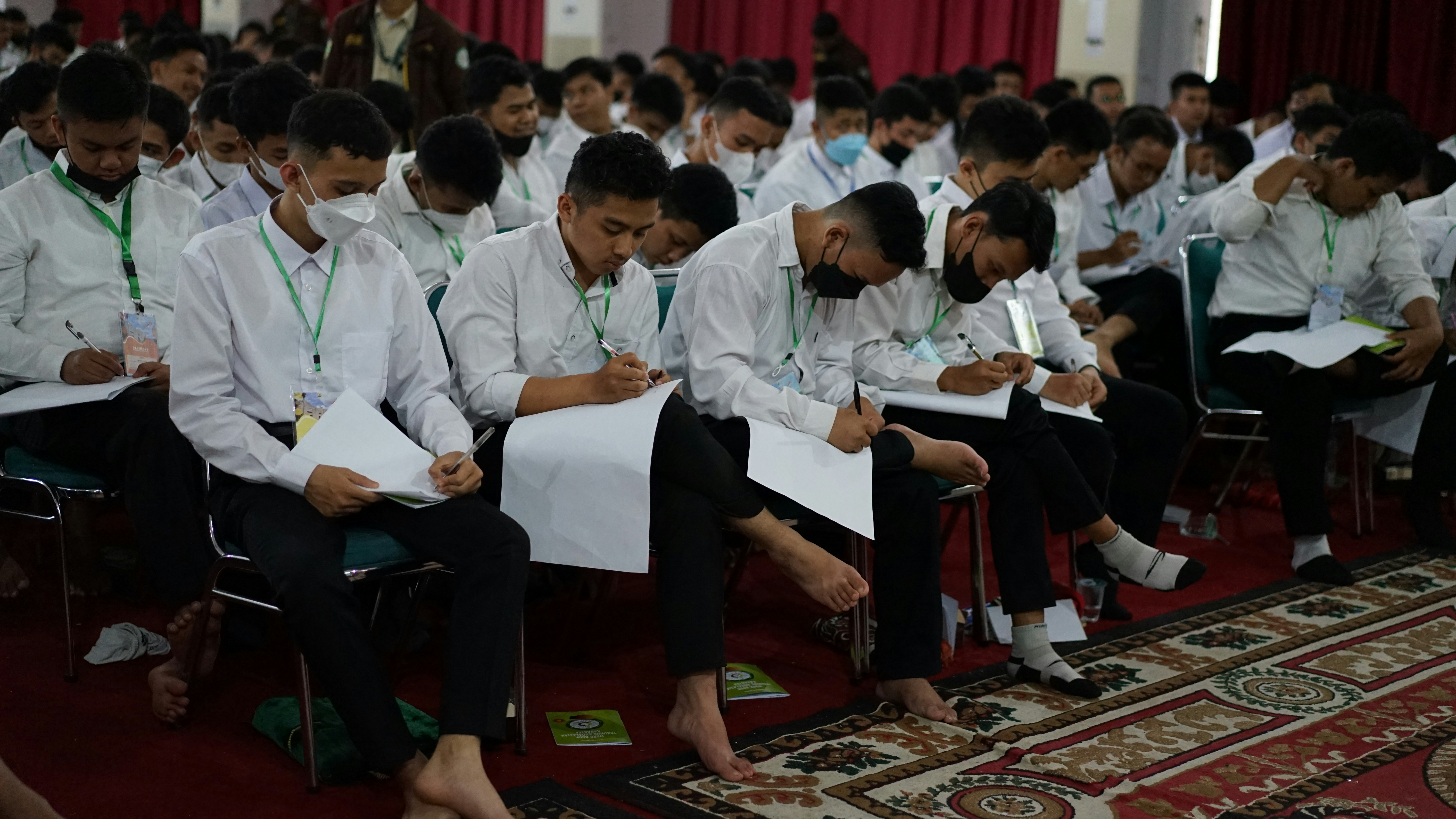
NEET-UG is one of the biggest standardised tests in the world that happen in a single day by the number of students appearing in the test. The National Medical Commission said around 24 lakh students took the exam in 2024, fighting for around 1.08 lakh undergraduate medical seats in government and private colleges.
The exam is conducted through the National Testing Agency (NTA) which was created under the Ministry of Education in 2017 for the specific purpose of administering entrance exams using standardised procedures. Since 2013, NEET-UG has been the only medical entrance test, with the Supreme Court ruling that multiple state-level examinations must be replaced by a single national exam.
Shadow of 2024: A Crisis that Set the Terms - A documentary
The paper leak in 2026 comes just two years after the NEET-UG 2024 scandal, which was seen as one of the biggest cases of examination malfeasance in recent Indian history. The news of students being able to access parts of the exam paper before the official date surfaced in multiple states in June 2024.
The consequences of this affair saw the suspension of NTA Director General Subodh Kumar Singh, the setting up of a High Level Expert Committee by the Ministry of Education and the filing of several FIRs in different states.
The bench of the Supreme Court of India took suo motu cognizance of the controversy created in the year 2024 and directed the central government to re-look at the process of conducting examinations.
Appointed in July 2024, the High-Level Expert Committee was given the task to recommend structural reforms in the exam system; it has submitted its report in September 2024, which suggests decentralised biometric authentication, end-to-end digital question paper transmission, and the establishment of an independent permanent examination regulatory authority.
In November 2024, the Ministry of education revealed that several recommendations were being realised, but a detailed timeline of what was going to take place was not made public.
The way the Leak allegedly happened.The alleged process of the Leak
Preliminary details made available to officials aware of the CBI's investigation, as reported by PTI and NDTV, suggest that the biology paper leak in NEET-UG 2026 was likely caused by a compromise in a printing or distribution node in the question paper logistics system, which does not involve a hacking of the NTA's main servers.
The question paper of NEET-UG is printed in limited number of certified printing centres and sent to examination centres with security arrangements throughout the country. Investigators are looking to see if it happened at the printing stage, during transport or at any point in the storage within the examination centre as was believed to be the case for the 2024 leak in some states.
Multiple complaints have been received on the leaked content of the biology paper allegedly being circulated online through the National Cyber Crime Reporting Portal, set up by the Ministry of Home Affairs, to trace the chain of distribution.
Architectural Gap That Arrests Can't Fill
The CBI's arrest, though a major operational shift, is likely not enough to rectify the structural weaknesses in the administration of NEET that have been consistently pointed out by investigators and review committees.
Currently, there is no single independent examination regulatory body under a statutory mandate in India – something that was highlighted during the controversy over the last few years, especially in 2024.
A proposed National Testing Commission has been considered by the Ministry of Education but no legislation was taken to Parliament by this time in May 2025.
If Arjun Sinha, a student who has been preparing for years, has put in a lot of hard work and family resources, then the architectural question isn't abstract. This is the choice between a career in medicine and another year to wait — this one without knowing if the exam they're taking will matter.