
How is Europe Tackling Fast Fashion?
Rise of SHEIN and TEMU Explained
Synopsis
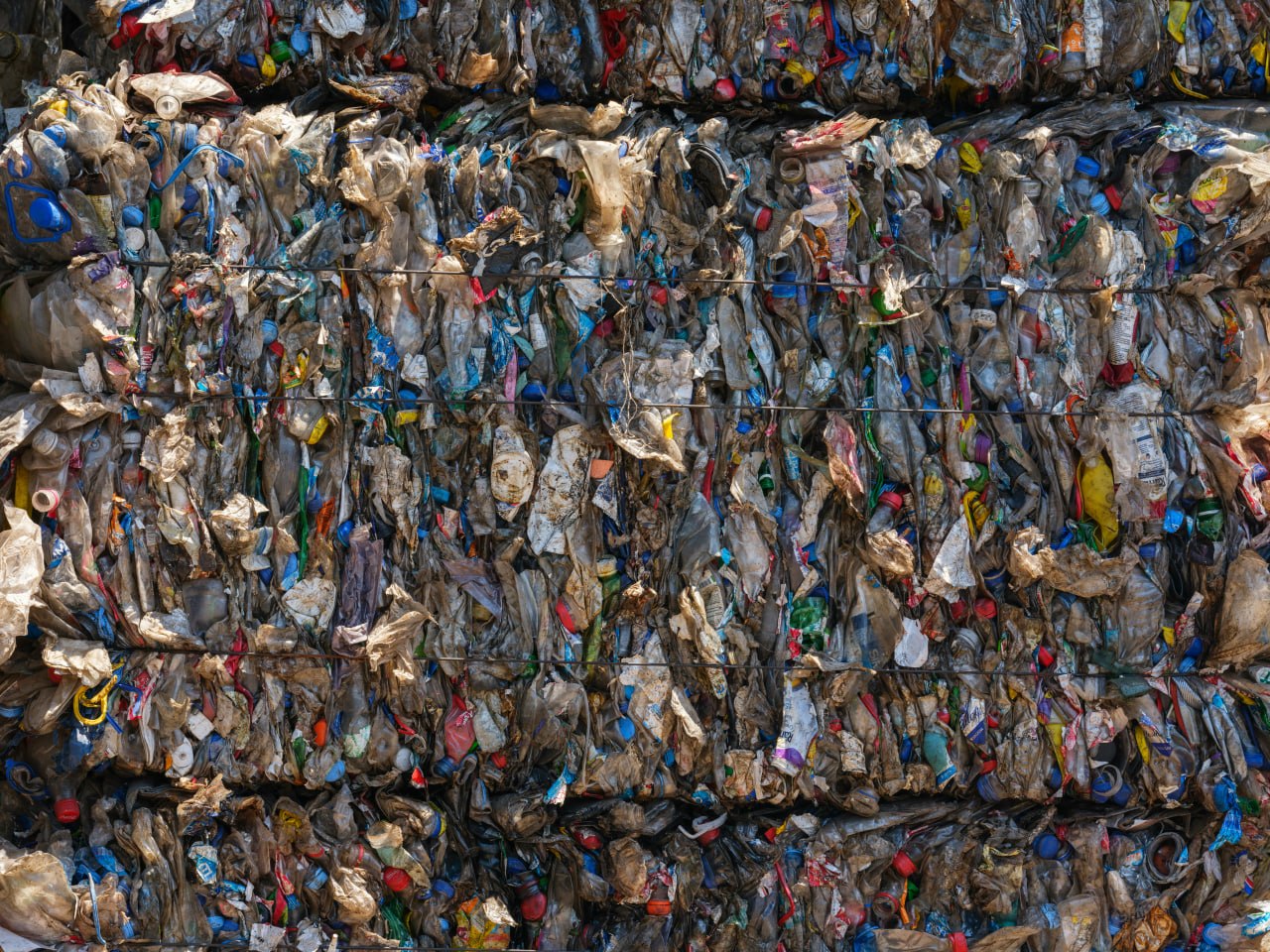
Every season tons of textiles arrive in the bustling market of Kantamanto in Ghana, Africa. Clothes are segregated for selling and rest goes directly to the dumps. There is a mountain of textile waste in Ghana similar to Chile, Argentina. When you look at a product in Italy there are high chances it is made by a child in Bangladesh who gave up on their studies and childhood to work for bare minimum wages under drastic conditions.
What is Fast Fashion?
Fast fashion is used to describe cheap and low-quality clothing that are quickly produced and cycled in and out the market to meet new trends. It was first coined by the New York Times in 1990s when Spanish clothing giant Zara arrived in New York.
The brand had a mission to take garments from design stage to being sold in shops within just 15 days. In 2023, the global fashion industry’s estimated worth was $1.7 trillion. From 2000 to 2014, the number of garments purchased per capita increased by about 60% and production has doubled.
The Rise of Ultra-Fast Fashion
Fast fashion retailers move, when compared to their traditional counterparts. They tend to compress production cycles and create multiple designs, This enables the shoppers to not only expand their wardrobes but also refresh them quickly and cheaply.
Ultrafast fashion moves even faster. In 2023, the Chinese ultrafast retailer SHEIN consistently churned out 10,000 new designs per day, the products being considerably less expensive.
How did SHEIN and TEMU Become Global Fast Fashion Giants?
In the late 1970s, when China scaled up its manufacturing production and began opening its economy to the world. At this time the small and mid-sized factories struggled to get access to the large consumer markets of the US and Europe.
American consumers bought Chinese products, however they did so under globally recognized brand names. Here, most of the profits accrued to the brands, rather than the Chinese suppliers.
The success of Amazon, Shopify and Instagram convinced consumers that they can move their purchasing power online. These platforms taught Chinese businesses that they could directly approach the markets of the US and Europe.
Indeed, Amazon was the teacher. Starting in 2013, the retail website began to recruit Chinese manufacturers to sell on Amazon Marketplace. And the seeds for the birth of SHEIN were sown.
How is SHEIN More Than a Fashion Platform?
SHEIN was founded in the city of Nanjing in 2008 by a US born entrepreneur Chris Xu. SHEIN’s revenue is between $58.5 billion and $83.5 billion as of 2025, making it the world’s biggest fashion retailer outselling H&M and Zara.
One face of the platform looks toward its consumers. It uses deep skills in digital marketing to place stylish fast fashion merchandise in front of the target customers on social media sites such as Instagram, Facebook, TikTok. The other face of the platform is connected with a wide network of 6,000 once-struggling small clothing factories in China.
TEMU The Successor of SHEIN
The rise of SHEIN caught the eye of another Chinese data and software firm, Pinduoduo. Later renamed PDD Holdings, the firm opened an office in Boston’s Back Bay. TEMU was launched in September 2022. Within three months, it was the most downloaded app on Apple and Google.
TEMU uses the software of its parent company to match China’s manufacturing capacity to consumer demand. The matching is done not only for fashion but for retail goods in general. Where SHEIN has 6,000 tightly integrated producers, it appears TEMU has 100,000, offering a wide range of good at startling cheap prices such as an electric cooking pot for $2.14.
Why is Fast Fashion Bad?
In Panipat, Haryana a woman is suffering from ten years of scars. She has COPD, she won’t be able to breathe without medications ever. This is the result of being exposed to hazardous bleaching chemicals and acids such as Sulphuric in the textile industry.
The west discards these clothes to India just after few wears making India the world’s textile waste land. China’s Guangzhou popularly known as SHEIN City, is known for exploiting their labours. Fast fashion destroys environment, producers, consumers and children.
1. Damage to environment
According to an analysis by Business Insider, 10% of global carbon emission is caused by Fashion production, 85% of all textiles go to dumps each year and dying and bleaching of clothes releases 500,000 tons of microfibers into the ocean each year, equivalent to 50 billion plastic bottles. Fast fashion industry is the second largest consumer of water among industries, requiring 700 gallons to produce one cotton shirt and 2000 gallons to produce a pair of jeans. Fast fashion consumers are quick to move on to next styling piece discarding the clothe just after seven wears.
SHEIN’s CEO, Moly Miao said that each item is produced only in small numbers, between 50-100 pieces a day. It is then tested in the market. If it becomes popular then is mass produced. However, the issue is these manufactures use virgin polyester which releases huge amount of CO2.
SHEIN’s CEO, Moly Miao said that each item is produced only in small numbers, between 50-100 pieces a day. It is then tested in the market. If it becomes popular then is mass produced. However, the issue is these manufactures use virgin polyester which releases huge amount of CO2.
2. Exploitation of labours
A lengthy investigation by Wired chronicled how both labourers and consumers suffered from the production of its clothes. A documentary by the UK’s Channel 4 found that SHEIN employees were working 75-hour shifts. Swiss watchdog Public Eye released another detailed report which accused SHEIN of violating Chinese labour laws.
How are European Countries Dealing With Fast Fashion?
EU and European countries have begun to propose and implement taxes and legislations, if not to totally stop but to at least slow down fast fashion. Until 2021, millions of packages from platforms such as SHEIN and TEMU, all those valued at under € 22, arrived in Europe without paying VAT. This gave these products and unfair advantage in the domestic businesses. Since 2021 all Non - EU imports have been subject to VAT.
In 2024, Brussels approved a Directive (EU) to combat greenwashing. From 2026, brands will not be able to present themselves as ‘carbon neutral’ or ecofriendly without verifiable evidence.
The First European Country to Approve a Tax on Fast Fashion?
France is the first European country to approve a tax on fast fashion. In June 2025, the French Senate approved a law introducing a progressive penalty system per garment. Ultra-fast fashion brands will have to pay an extra € 5 per item. This will make things like cheap T-shirts, dresses and trousers particularly expensive. The figure will gradually increase to € 10 in 2030, doubling the tax in just five years.
Other countries such as Sweden, Netherlands, France have chosen to incentivize repairs. These measures have clear objectives making it cheaper to replace a zip rather than buying a whole new garment.
Beyond Fast Fashion: Who Really Pays the Price?
Although the effects of these measures are being felt however the question remains whether a shift from fast fashion to sustainable clothing can save the environment? What will then happen to numerous workers who are employed just because of this industry? And how long will third world countries keep bearing the human and environmental costs on behalf of the so-called super powers?
Latest News
- ◆Delhi High Court Dismisses Riots, Jamia Pleas Seeking Independent Probes and FIRs
- ◆Supreme Court Refuses to Cancel Bail Over Accused's 'Money and Power' Video
- ◆Supreme Court Declines to Suspend CEC Gyanesh Kumar, Seeks Responses on Decision-Making
- ◆Case Filed Against CJP Supporters over Unauthorised Shivaji Park Gathering
- ◆Israeli Strike on Gaza City Apartment Block Kills Five, Officials Say