
Hustle Culture's Toll on Young Indian Workers
Surveys show a majority of young Indian professionals report burnout, prompting a growing generational pushback against relentless-productivity workplace norms
Synopsis
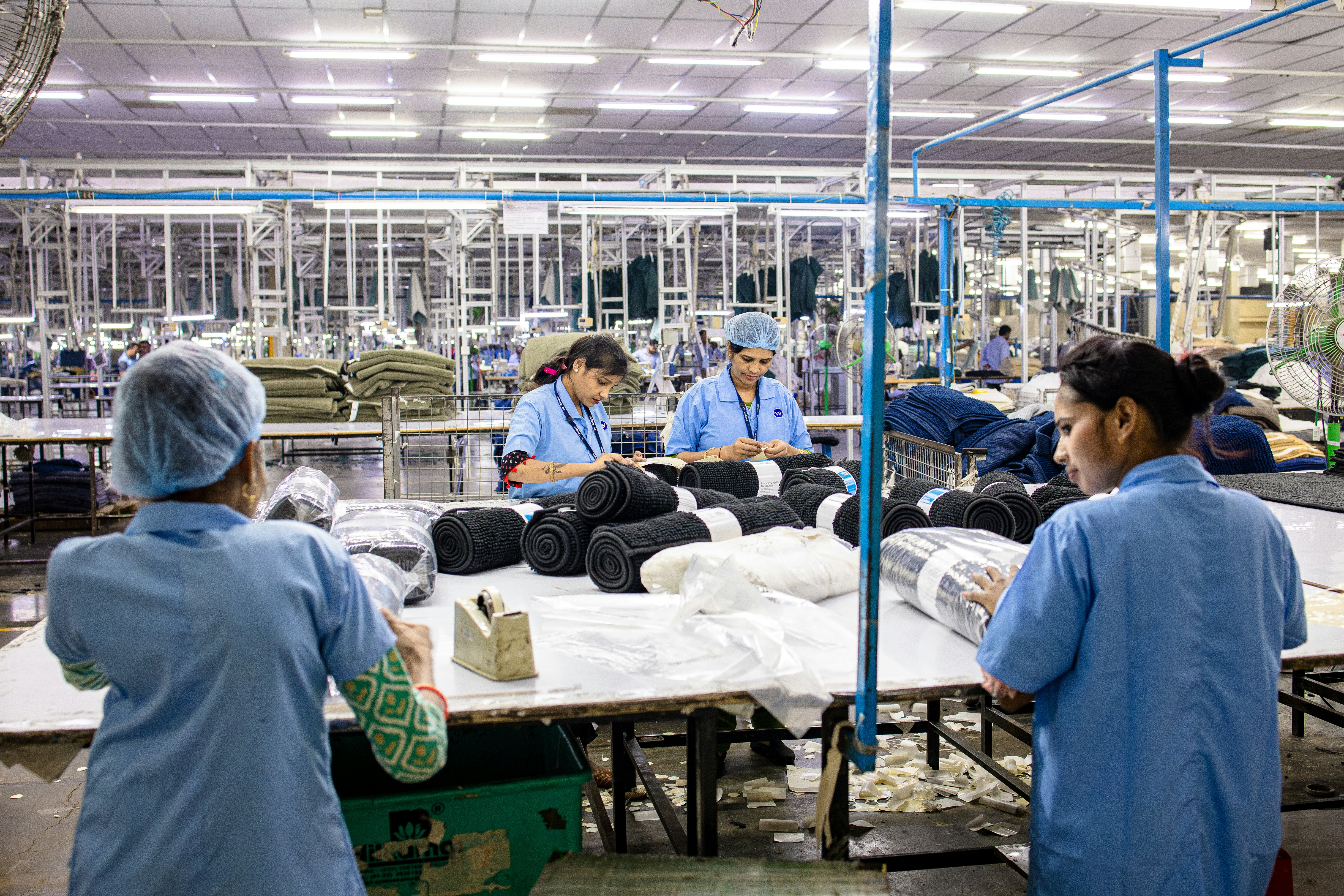
The rampant hustle culture in India is not just affecting their mental well-being but a majority of professionals are seeing positive experiences where they've been burnt out and emotionally exhausted from the hustle. In the meantime, a stealth change is taking place in the workplace, as young Indians are questioning the value that has been enshrined in their lives – hard work – which is synonymous with constant productivity and which has yet to be adequately expressed on the job.
The Scale of Burnout is the name of the assessment
Survey results are a consistent picture of strain widespread. As per one of the workplace reports, 85 per cent of Indian employees are experiencing fatigue and exhaustion due to stress at work, and nearly half were unable to go to work because of mental health issues; the workers aged 18-34 experienced the most fatigue and headache.
The same trend holds true with younger professionals as confirmed by corporate research. In a survey conducted by Deloitte India in 2023, over 80 per cent of the Gen Z professionals indicated that they were emotionally tired and one in three said that they were thinking of quitting their jobs because of the stress.
Only a Structural solution to a Problem and not an Individual one needs to be solved
Burnout is now being seen as a part of the Indian work culture, rather than a failure. With the high economic growth rate and an attitude of ‘hustling' in India, the work culture has also become one where people are seen overworking and the factors reported which contribute to this are long hours of work, constant Internet connection and the lack of boundaries in work-life balance.
The 2025 Gallup report cited in the same study reveals that almost half of India's workforce is actively looking for work and about a third of workers is stressed out daily.
The stakes are high because of the number of people affected. According to Plum report, 10% of the Indian employees feel they are "thriving at work" with a population of more than 600 million Indians between 18 and 35 years of age.
The Mental Health Dimension: Health problems that affect the mind
Even in the absence of workplace surveys, mental health problems among young people in India are high. The prevalence of common mental disorders (CMDs) is around 10 per cent of Indian adults according to the National Mental Health Survey of India (2015-16), and is significantly higher in the age group 18 to 29.
One of the features cited by analysts as a contributor to the rise of the gig economy is that this new phenomenon, which was envisioned as flexible, has brought about new types of economic insecurity for young people.
Signs of Pushback
There appears to be a generational change in priorities, particularly among those in the city who have been affected by the disruptions of the pandemic. In an interview with Economic Times, one UX designer based in Bengaluru said it got clear to him that “I don’t want to live to work, I want to work to live better.”
A structural approach is being taken by some employers. Thanks to the design by Plum, employees now receive counselling at the office thanks to Tata Consultancy Services and Wipro, and a "14-hour health week" was launched, which will encourage workers to allocate at least two hours of their time to them to improve their well-being.
Apart from the collective efforts of the companies, each one of them such as Zerodha, TCS Remote Labs, Zoho etc. has begun to pay attention to mental health support, learning autonomy and sabbaticals as part of their holistic approach to retention.
Outlook
If India's workplace culture is to have a lasting transformative change or if the changes in its workplace are going to be symbolic gestures that are placed on top of existing expectations, will be the sole question that will be the deciding factor on whether the present generation's pushback will be successful or not, or if that is merely a temporary respite before the next round of hustle culture.
Latest News
- ◆Delhi High Court Dismisses Riots, Jamia Pleas Seeking Independent Probes and FIRs
- ◆Supreme Court Refuses to Cancel Bail Over Accused's 'Money and Power' Video
- ◆Supreme Court Declines to Suspend CEC Gyanesh Kumar, Seeks Responses on Decision-Making
- ◆Case Filed Against CJP Supporters over Unauthorised Shivaji Park Gathering
- ◆Israeli Strike on Gaza City Apartment Block Kills Five, Officials Say