
Centre Opposes Creamy Layer Rule for SC/ST Reservations
The Union government tells the Supreme Court that caste-based discrimination, not economic status, is the constitutional basis for SC/ST quotas
Synopsis
The Union government has for the first time rejected the idea of expanding the so-called ‘creamy layer' criterion from Other Backward Classes to reservation lists for Scheduled Castes and Scheduled Tribes. The Centre had contended in an affidavit that the reservations under the SCST Act were not of economic nature, but were meant to rectify the historical and social injustice faced by SC/STs, and a policy change could happen only once Parliament aimed at that.
The Apex Court's stance is that government's position should be accepted
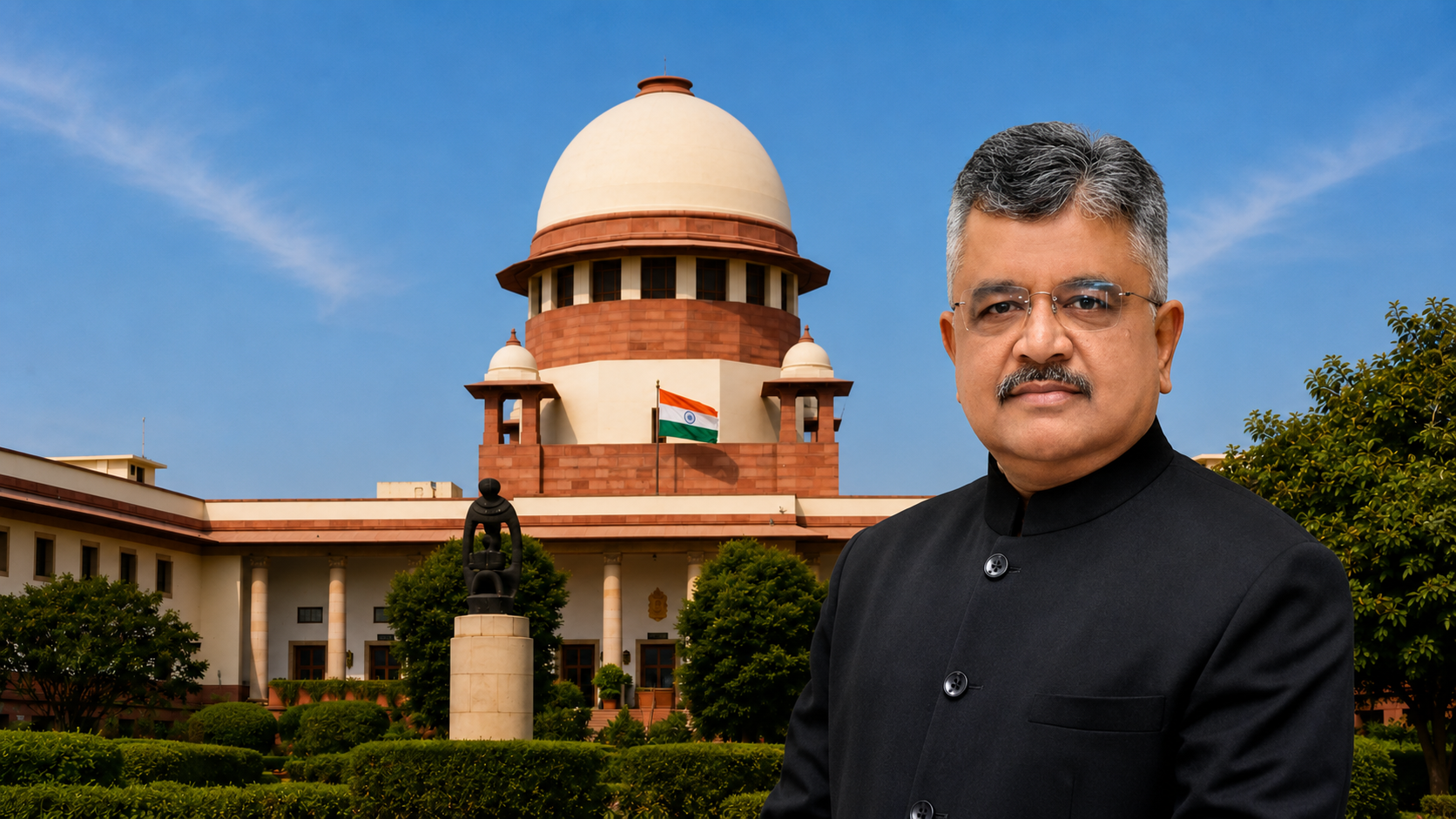
The Union Ministry of Social Justice and Empowerment has filed a counter-affidavit at the Supreme Court against a set of PILs which had wanted to add a creamy layer in the SC and ST categories and do the same for OBC reservation categories.
The affidavit points out that the constitutional and legal concepts of reservations for SC/ST are fundamentally different from that of OBC. In the present writ petition, the Centre has stated, that it could not be sustained in law as it essentially sought mandamus from the executive to promulgate policies in a particular manner.
Historical Discrimination/Historical Economic Status
At the heart of the government's case is the difference in genesis of the two reservation frames. The creamy layer concept to exclude the "more socially and economically advanced" sections of OBCs was never meant to be applicable to SC and ST communities, where reservations were based on entrenched (firmly and deeply established, not easily removable) caste-based exclusion, the Centre said.
The government had said in its statement that "there is no change in caste-based discrimination on the basis of economic standing of the SCs and STs" and "reservation is not only a poverty alleviation measure.
The procedural objections are presented in the context of the Sub-Classification Backdrop
The Centre also filed a procedural objection, stating that a policy change of this nature is "comprehensive" and needs to be backed by an "empirical study", and that it is "in the executive domain" rather than the judicial domain. It also argued that the change in the reservation system should be left to the Parliament which should come through proper legislative process and not through the court.
The Supreme Court in its 2024 judgment allowed the states to further sub-classify reservation into SC/ST categories to reach the most disadvantaged sections of society, which has once again led to a demand for parallel economic filters in the SC/ST quotas in the ongoing petitions.
The Road Ahead
The Supreme Court has now asked for the Centre's affidavit to be on record and the case will now be heard again. A constitutional debate could be settled by the case, legal observers say, as the Indian reservation system is drawn into a conflict over whether caste-based or economic reservations are more compatible with the constitution, which would affect millions of Indians who benefit from both types of quotas in government jobs and education.
Latest News
- ◆NSE's $2.3 Billion IPO Draws Over $10 Billion In Bids
- ◆India-New Zealand Free Trade Pact To Take Effect October 20
- ◆Tata Group Governance Feud Deepens Over Chandrasekaran's Term
- ◆India Reaffirms Push For Constructive Ties With Bangladesh
- ◆Teen Gang-Raped Near Delhi Temple, One Suspect Held In Encounter