
CJP Founder Abhijeet Dipke Assaulted on Camera at Jaipur Rally
A Cockroach Janta Party protest over NEET paper leaks and unemployment turns violent as Dipke is struck in full public view; six detained
Synopsis
On June 15, 2026, the leader of the Cockroach Janta Party, Abhijeet Dipke, was beaten up in front of the cameras while he was protesting with youngsters at the Shaheed Smarak in Jaipur. As he was being carried on supporters' shoulders, two people from the crowd hit him over and over. Police arrested six people in the case. Dipke, who has led the agitation of the CJP on NEET paper leaks and unemployment, promised to continue with the non-violent protest. The episode has revived the growing street presence of the movement.
A movement was launched after a judge's remark
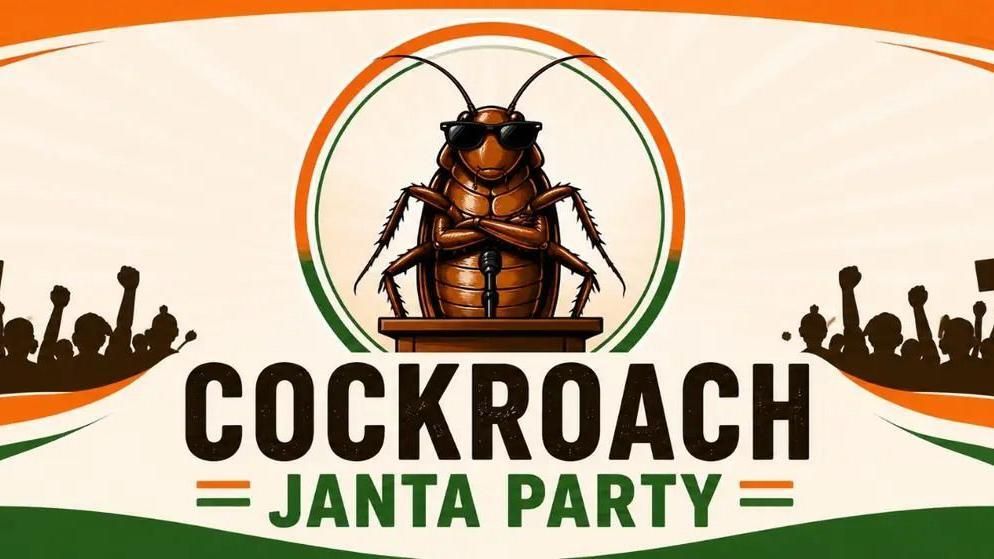
The Cockroach Janta Party was not born out of the traditional political ground. The CJP was born on 16 May 2026, the day after it was noted by Chief Justice of India Surya Kant at a hearing before the Supreme Court that the jobless youth were like "cockroaches" and "parasites of society", a political communications strategist with the Aam Aadmi Party, Abhijeet Dipke, founded it.
The next day, Dipke, who was travelling the world, posted on social media that he was creating a "platform for all the cockroaches out there. The expression was picked up within a few days. It started as a parody account and meme factory, but quickly became a place for grievances about exams, jobs and the diminishing economic optimism.
CJP is not an Election Commission of India registered organization. It claims that its motto is ‘Voice of the lazy and the jobless' and ideology is built on political satire but has attracted thousands of youth across Indian cities in rallies.
The Delhi Protest and the Seven-Day Ultimatum
Dipke landed in India on June 6 and was conveyed straight from the airport to Jantar Mantar in New Delhi where the CJP convened its first public rally in India. The people called for resignation of Union Education Minister Dharmendra Pradhan for leaking of examination papers and other irregularities in the conducting of competitive exams.
The protestors carried India's national flag and school books. The NEET medical entrance exam debacle, and the news of student suicides, had become an emblem of the exam system that lost all credibility in the eyes of many who witnessed it.
Dipke spoke to an acrimonious gathering on the afternoon, demanding that Pradhan resign before 5 p.m. that day. If this was not done, he gave the central government a seven-day deadline. A national tour of protest ensued.
What the Videos Reveal about the Shaheed Smarak Violence
The CJP conducted a demonstration on 15th June at the Shaheed Smarak in Jaipur. The protest was against the same issues, such as cheating during exams, lack of jobs, and education system failures.
A crowd confronted Dipke as he was being carried on supporters' shoulders to the stage. The events thereafter quickly turned rowdy — some grabbed his scarf, slapped his face at least four times and tried to drag him down, immediately creating a commotion at the venue.
The young men, then, were beaten up by those who supported Dipke, before handing them over to the police. Later 6 people were taken into custody and questioned at Vidhayakpuri police station. As reported by Free Press Journal.
Authorities said they did not receive a permit to hold the protest from the CJP until late Sunday night. It was then issued a conditional approval with one of the conditions that participation would not exceed 800 people.
Who is Rakesh Gurjar?
Rakesh Gurjar is one of the main accused. After his arrest Gurjar called himself a 'nationalist' and accused Dipke of 'misinformation'. He said the CJP leader has a "jihadi mindset" and accused the leak of papers controversy of being politically motivated.
Gurjar said the incident was his way of protecting youngsters from what he believed was a deceitful explanation from Dipke, but denied there was a leak in the paper.
Five of the accused have been arrested on charges of ‘disruption of peace’ – Rohit Sharma, Rakesh Gurjar, Ajay Sharma, Kuldeep Singh Shekhawat and Niket. The accused complained to police that they were upset by Dipke's social media comments, officials said.
Dipke's Reply: "Faced with physical attacks, they are terrified
Shortly after the assault, Dipke responded in a post to social media. Physical attacks show fear and cowardice and we will continue to raise our voices peacefully. I am a follower of Gandhi and Ambedkar and will continue to fight this battle with peace and love. PS: Dharmendra Pradhan needs to step down!
He called the attack "a coward's act" by those attempting to quell the "voice of the youth," and said such acts will further inspire the movement.
A Polarising Movement in a Charged Climate
The attack on Jaipur has further exposed the growing polarization in the still one-month-old movement, which is able to direct the discontent of young people at the national level.
The CJP has been successful in resonating with many young people, but has also been met with some strong criticism from political parties and parts of society over its methods and symbols.
If the government does not accede to the demands, then the movement's nationwide protest march, which started from Pune on 11th June, would be to end with a large indefinite sit-in at Janta Mantara on 20th June.
It is yet to be seen if any violence in Jaipur on Monday has tempered or heightened the attendance of people at that event. The investigation of the attack on Shaheed Smarak continues
Latest News
- ◆NSE's $2.3 Billion IPO Draws Over $10 Billion In Bids
- ◆India-New Zealand Free Trade Pact To Take Effect October 20
- ◆Tata Group Governance Feud Deepens Over Chandrasekaran's Term
- ◆India Reaffirms Push For Constructive Ties With Bangladesh
- ◆Teen Gang-Raped Near Delhi Temple, One Suspect Held In Encounter