
North Korea’s Kim Yo Jong Issues Military Threats to Japan
The military threats come after Japan’s Tomahawk missile test
Synopsis
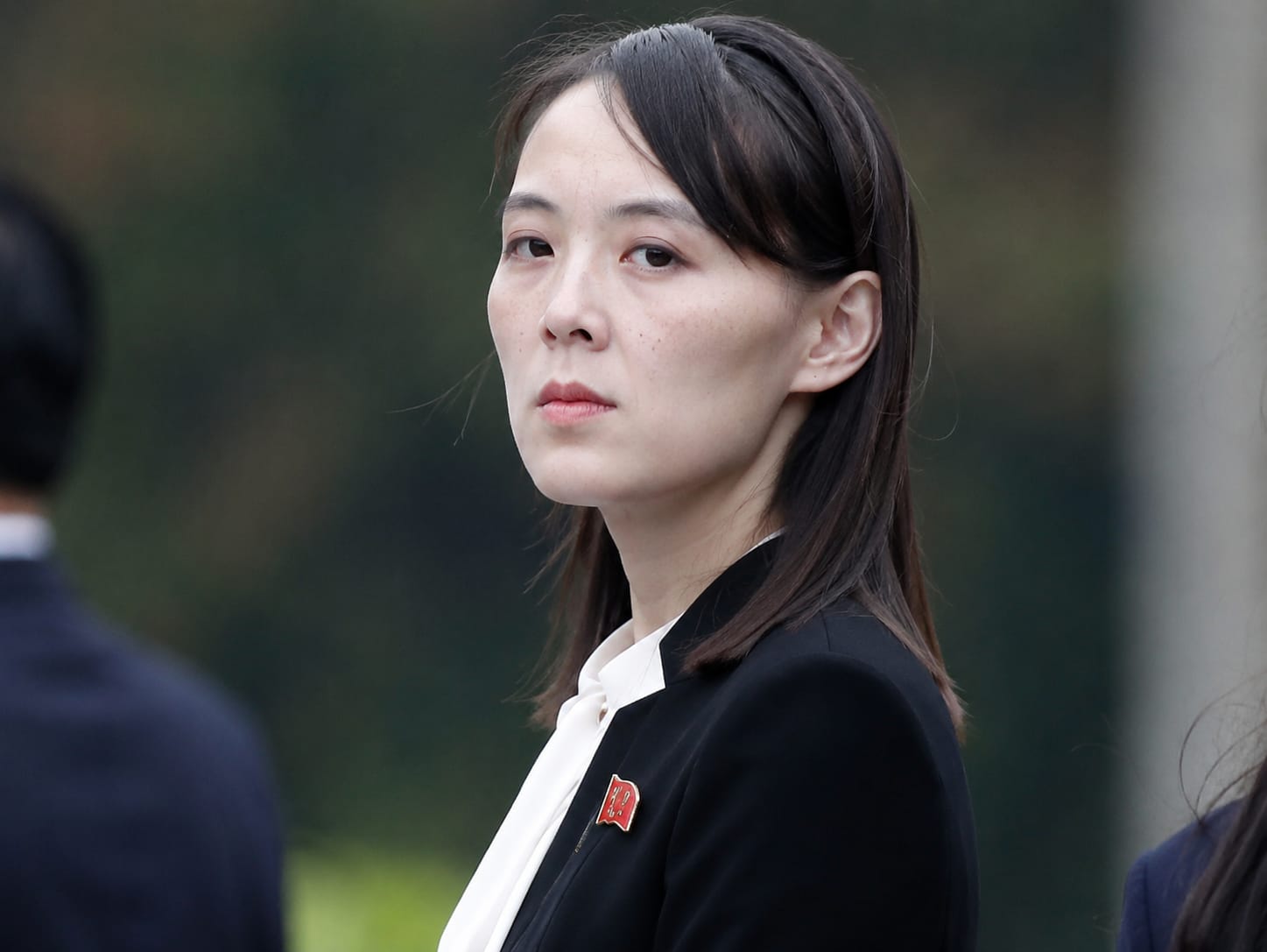
On Wednesday, July 29, 2026, after Tokyo test-fired a U.S. made Tomahawk cruise missile, North Korea’s Kim Yo Jong, the powerful sister of the leader Kim Jong Un, warned that Pyongyang would adopt “additional military options” to retaliate against what was interpreted as Japan’s transformation into a military power.
Why Is it a Threat to Security?
Kim Yo Jong accused Japan’s military of moving from a defensive position to one that is capable of a preemptive attack.
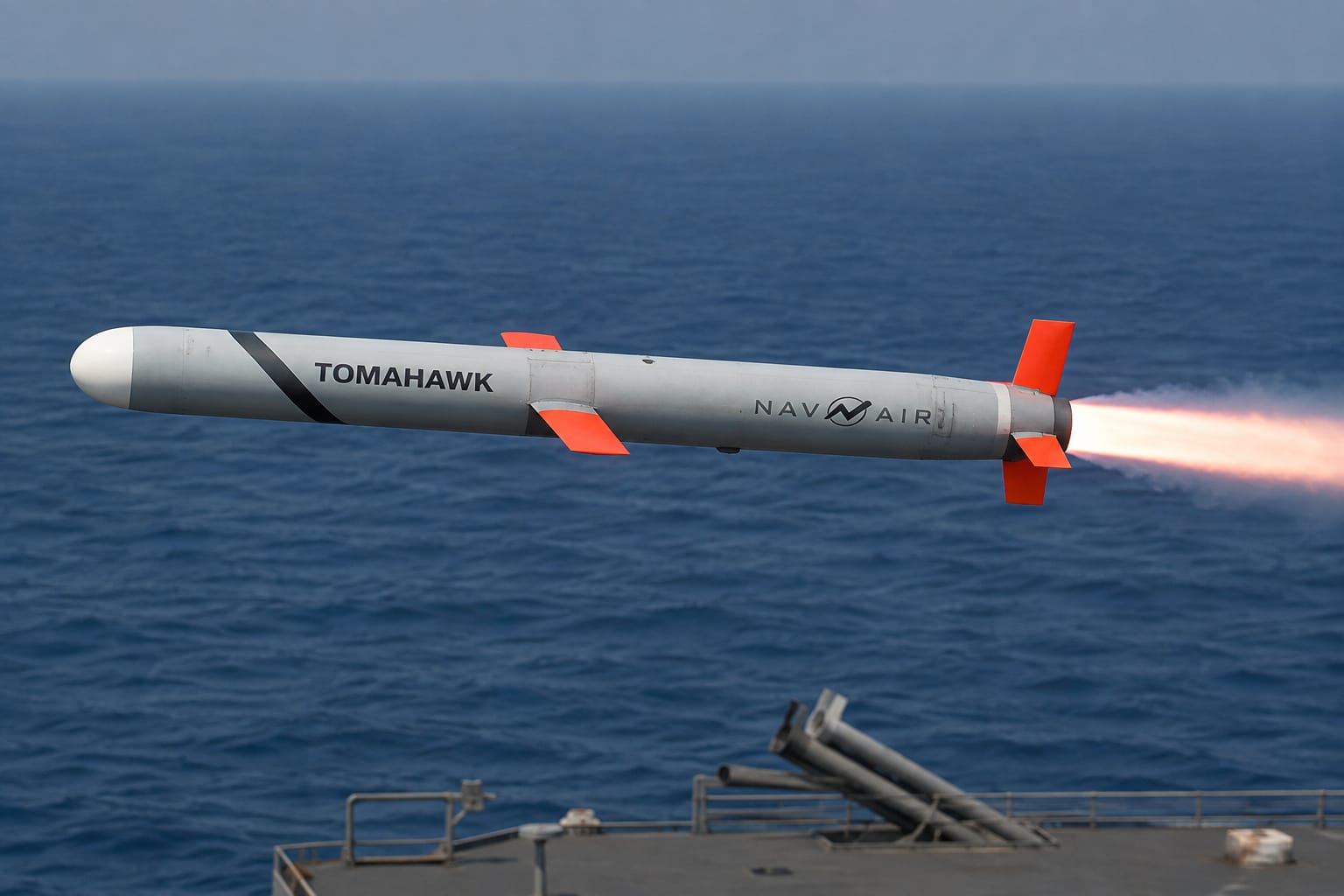
Kim went on to cite Japan’s recent Tomahawk test from the Aegis destroyer Chokai in the Pacific Ocean as well as the test- firing of other missiles and Japan’s participation in the U.S. led joint military drill in the Philippines back in May has raised concerns over the threat that they might become sooner or later.
She also accused the United States of helping with Japan’s military buildup by supplying them with the Tomahawk missiles, modifying vessels for their operation and supporting the missile tests.
How North Korea Plans to Retaliate
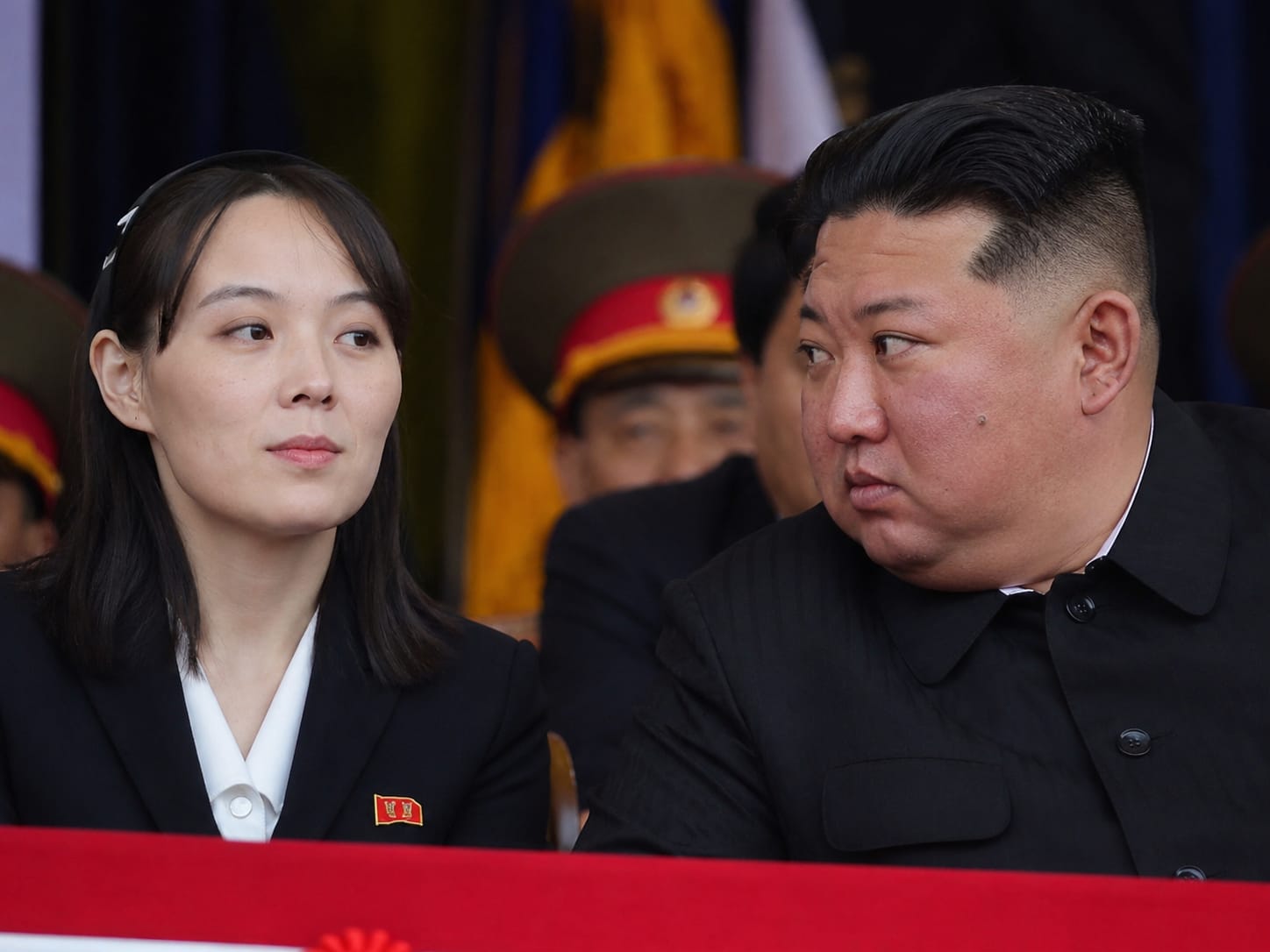
In some of her strongest rhetoric against Tokyo in recent months, Kim said, “We should make it regret,” clearly suggesting that the action carried out by Japan will not be met without strong consequences. She added that North Korea will retaliate in such a way that it will make Japan feel that it has been exposed to greater security danger.
Kim further went on to say that Japan’s acquisition of long-range strike capabilities has not only placed North Korea but also other neighbouring countries in the danger zone.
What can be the Hidden Motive?
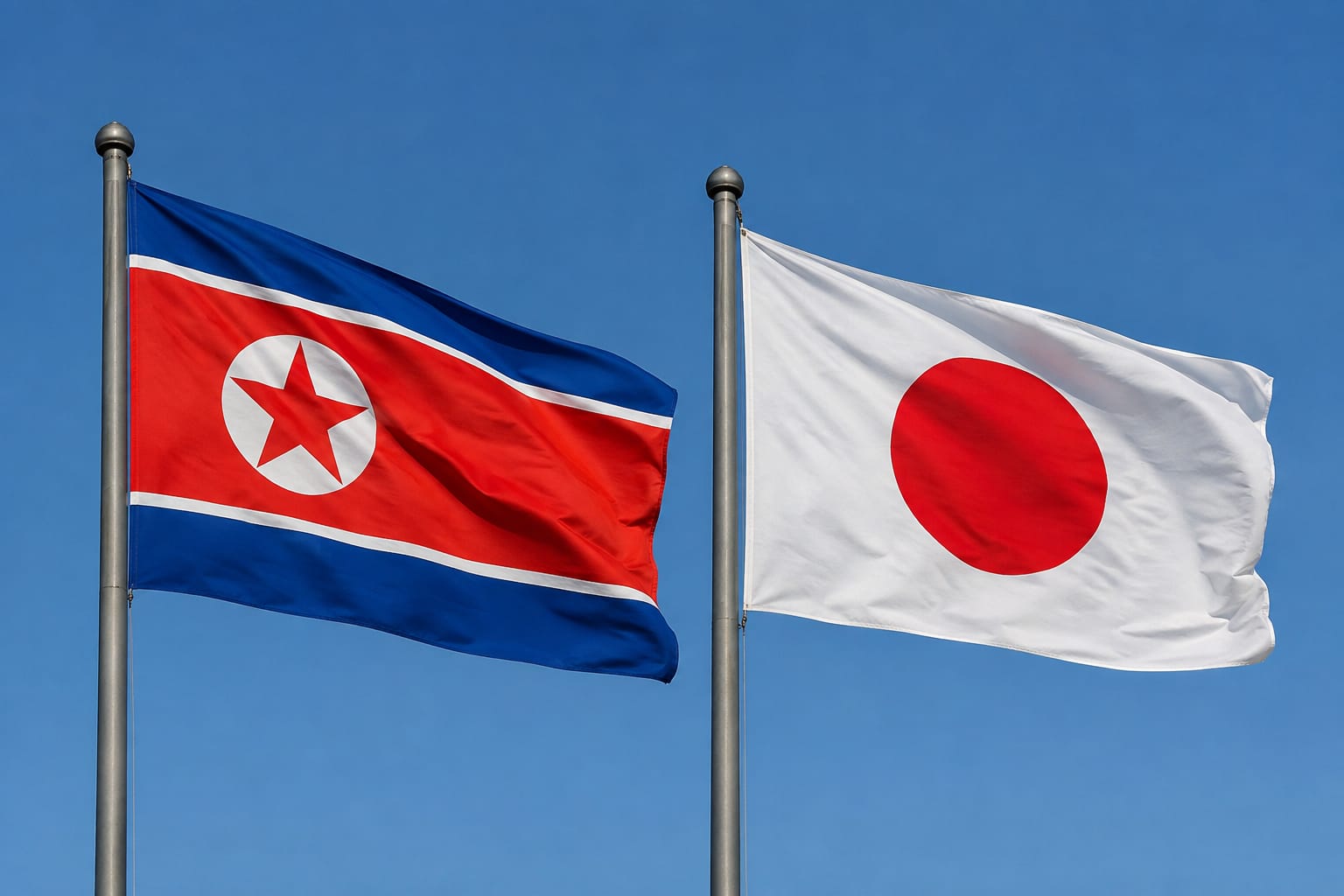
The statement comes in as the latest in a series of North Korean commentaries criticising security cooperation among the U.S., South Korea and Japan.
Since July 2026, the Korean Central News Agency (KCNA) has published six editorials and commentaries denouncing these joint military activities as threatening regional security and raising tensions on the Korean Peninsula. Analysts said Pyongyang is seeking to portray Tokyo’s military modernisation as a direct security threat to justify its own weapons development.
Road Ahead
Lim Eul-chul, a professor at Kyungnam University’s Institute for Far Eastern Studies, said that the messaging could lay the groundwork for possible future military demonstrations, including missile tests or displays of undersea strike capabilities.
Therefore, Japan might have opened a pathway for possible retaliation from its neighbours if it keeps testing missiles and crossing boundaries that might appear as a threat to others.
Latest News
- ◆NSE's $2.3 Billion IPO Draws Over $10 Billion In Bids
- ◆India-New Zealand Free Trade Pact To Take Effect October 20
- ◆Tata Group Governance Feud Deepens Over Chandrasekaran's Term
- ◆India Reaffirms Push For Constructive Ties With Bangladesh
- ◆Teen Gang-Raped Near Delhi Temple, One Suspect Held In Encounter