
Delhi Metro Shuts 16 Stations Amid NEET Protest by CJP
Sixteen central Delhi metro stations were closed as students led by the Cockroach Janta Party continued protests demanding the education minister's resignation.
Synopsis
Delhi Metro Rail Corporation shut 16 stations in the national capital with students' agitation against alleged irregularities in the NEET-UG medical entrance test led by the new formed Cockroach Janta Party at Jantar Mantar. Minister of union education Dharmendra Pradhan is being demanded to resign by the demonstrators.
Stations Shut, Commute Disrupted
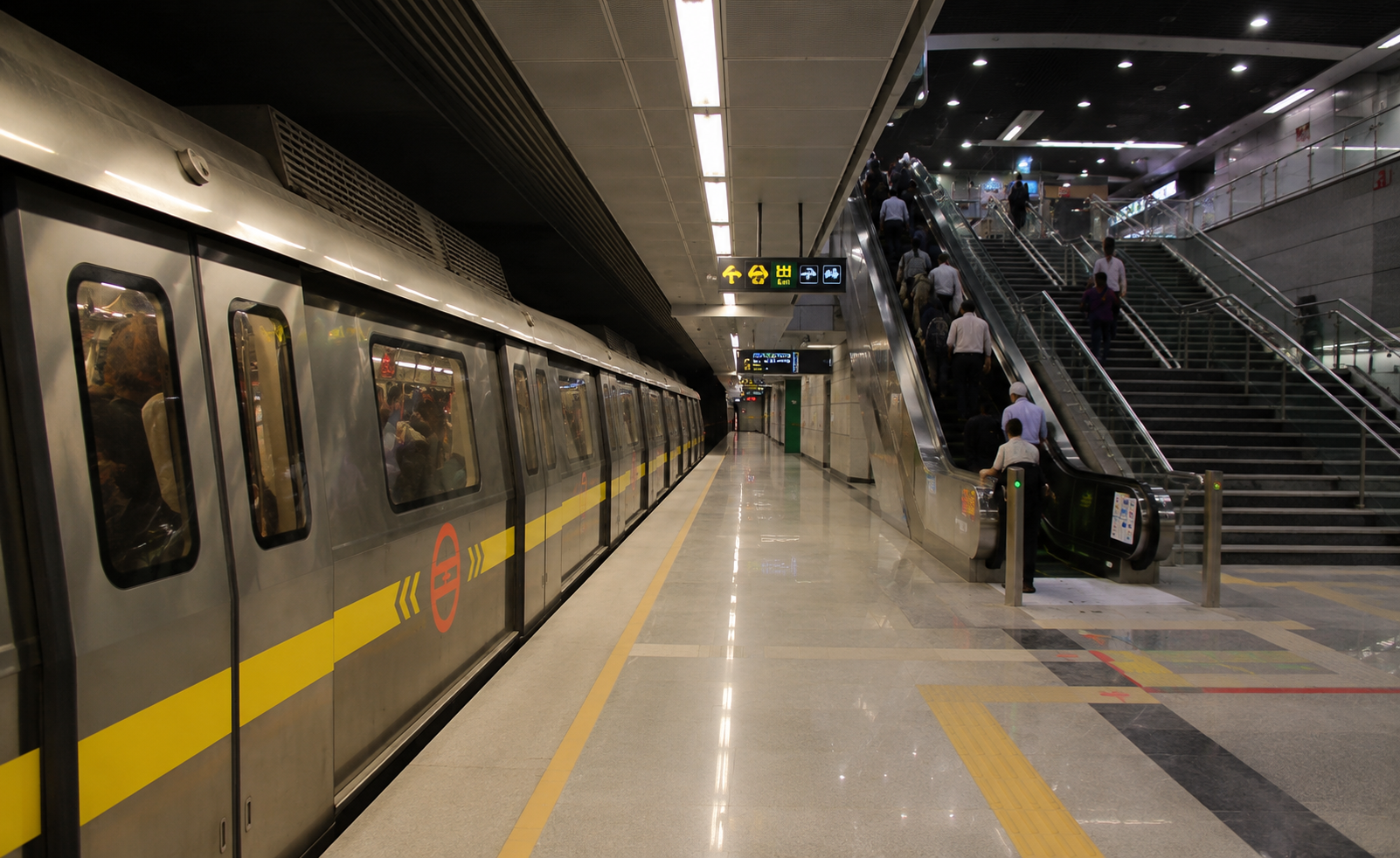
Delhi Metro Rail Corporation shut 16 stations “till further instructions” as students' protest over the decision to shut Jantar Mantar, where the Cockroach Janta Party (CJP) was demonstrating against the decision to shut down the protest site, continued.
The closures were at various locations including Janpath, Supreme Court, Rajiv Chowk, Patel Chowk, Central Secretariat, Khan Market and others, but the interchange facilities at Rajiv Chowk, Mandi House and at Central Secretariat remained open.
The Roots of the Protest
The focus of the demonstration is on allegations of examination fraud. Protesters have been holding on to Jantar Mantar and other central Delhi areas, protesting against the resignation of Union Education Minister Dharmendra Pradhan in view of NEET-UG paper leak.
The CJP, which started its protests as an online campaign before transforming into a political group, has been demonstrating at Jantar Mantar for over six months now against allegations of leak in NEET papers and irregularities in the exams.
The movement has gained momentum. Climate activist Sonam Wangchuk joined their hunger strike on June 28 and a few opposition leaders joined the march later on towards the Parliament.
NEET-UG: A Boiling Point
For years, there has been an ongoing complaint of examination dishonesty among the majority of Indian students. The controversy surrounding the integrity of exam-conduct has brewed for several cycles without resolution, with the march by the National Students' Union of India (NSUI) in 2024 and the arrest of more than 2 dozen students at Jantar Mantar in the course of a "Chhatra Sansad Gherav" protest reflecting the same.
The Precedent for Metro Closures During Unrest
The practice of closing metro stations to hold back large crowds for demonstrations is commonplace but troublesome in the capital. The closures have been paralleled by numerous anti-CAA protests over the past few years, including when at least 18 stations of the Delhi Metro were locked down in 2019 during the anti-CAA protests, or during protests against corruption and sexual violence earlier on.
Why It Matters
Confusion regarding the authenticity of the exams hits at the core of the trust in the centralised examination-test system of medical education in India for lakhs of students preparing for the examination and their families.
The frequent station closures during big protests highlight the long-standing problem of balancing protests and the right to peaceful assembly with the operational needs of a city of more than 30 million.
Latest News
- ◆NSE's $2.3 Billion IPO Draws Over $10 Billion In Bids
- ◆India-New Zealand Free Trade Pact To Take Effect October 20
- ◆Tata Group Governance Feud Deepens Over Chandrasekaran's Term
- ◆India Reaffirms Push For Constructive Ties With Bangladesh
- ◆Teen Gang-Raped Near Delhi Temple, One Suspect Held In Encounter