Punjab Stubble Burning: Cases Tally Hits 2787; 710 FIRs Registered
Fines are being imposed and FIRs are piling up but the farm fires keep coming even with 87.60 per cent of the paddy already harvested
Synopsis
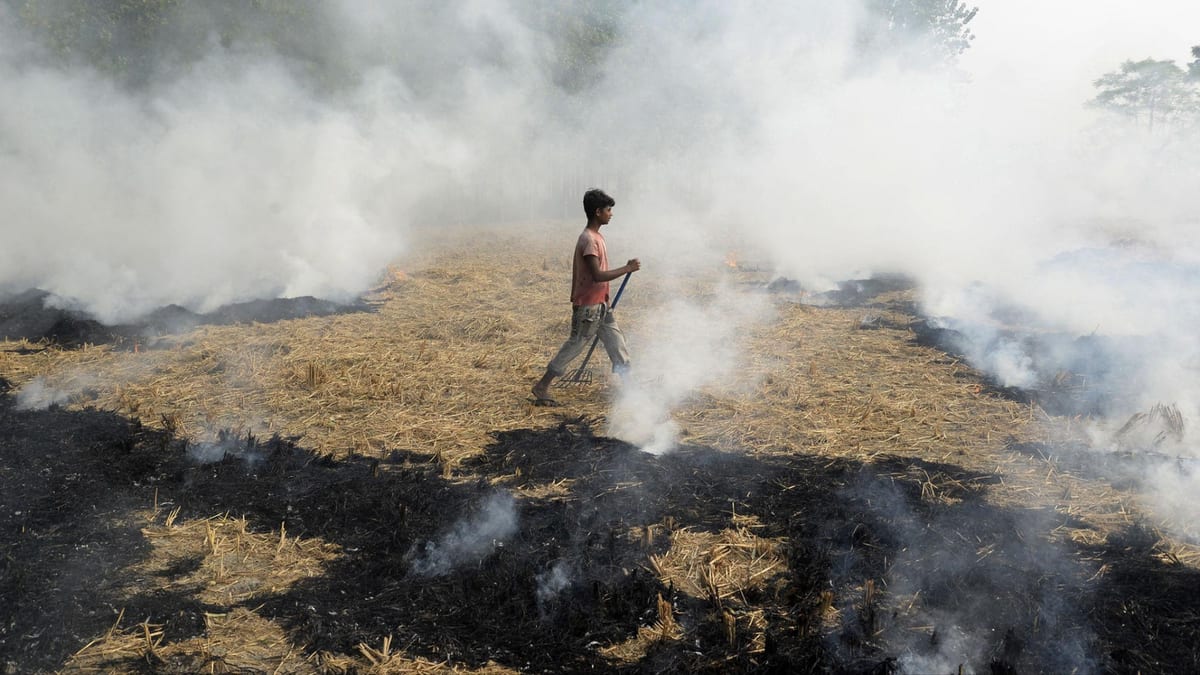
Punjab has seen 2787 cases of stubble burning so far, with most beginning on September 15, 2026, and no end date in sight yet. On November 5, 2026, the Punjab Pollution Control Board confirmed fires at 994 of the 2,194 locations where stubble burning cases were reported. Environmental fines of Rs 46.10 lakh were given in 914 cases, with Rs 24.85 lakh collected so far. A total of 710 FIRs have been filed under Section 223 of the BNS (Bharatiya Nyaya Sanhita). Tarn Taran stands to be the most affected district, with the air quality in Delhi reaching nearly 400 AQI, which predictably has brought back the classic political blame game.
Punjab Farm Fire Count Reaches 2787 With 87.60 Per Cent of Paddy Harvested
Most of the crop was already cut, but the matchboxes still managed to stay busy. The report from the Punjab Pollution Control Board covers the time from September 15, 2026 to November 5, 2026 and reports that there have been 2787 cases of burning across the state so far. Field teams checked 2194 locations, among which 994 sites had traces of genuine stubble burning, which equals about 45 per cent of the checked sites.
Punjab has 32.87096 lakh hectares under paddy, where 87.60 % of that has already been harvested by the first week. The chances of fires are getting smaller, but the number of fires still keeps increasing. An earlier number of 2347 cases was reported for November 4, 2026, marking a significant increase in the quantity of burnings taking place each day.
Tarn Taran, Ferozepur and Sangrur: The Punjab Districts Burning the Most Stubble
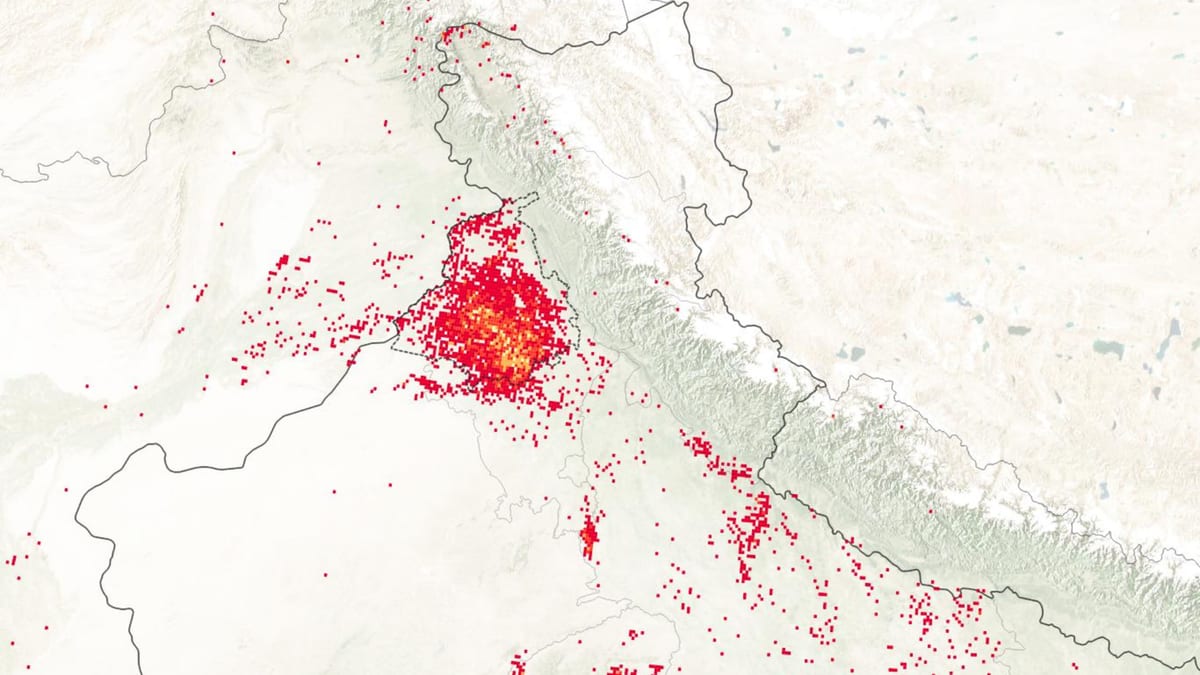
Five districts account for over half of the state’s farm fires. Tarn Taran is first with 586 cases, and inspectors visited 553 locations there before confirming that burning happened at 294 of them. Ferozepur is second with 361 cases and 163 confirmed locations, while Sangrur has 240 cases and 49 confirmed locations.
Amritsar had 221 cases; meanwhile, Bathinda sits at a solid 216. This means that these five districts together have 1624 of the 2787 cases, which is around 58 per cent. This makes the Punjab district the sole majority provider of the stubble burning effect.
Stubble Burning Fines in Punjab: Rs 46.10 Lakh Imposed
Environmental compensations have been levied in 914 cases, with more than half the money reaching the treasury on time. This brings the total tally to Rs 24.85 lakh, 54% of the projected collection to a whopping Rs 46.10 lakh.
The average fine is Rs 5,000 per case, which is low given how much attention this problem gets every winter. Patiala voters the same gap but fortunately on a smaller scale, with fines in 42 cases worth Rs 2.15 lakh, of which Rs 70,000 have been collected so far.
FIRs, Red Entries and Show-Cause Notices: Punjab’s Action Against Stubble Burning
The paperwork is piling up almost as fast as the smoke. Authorities have filed 710 FIRs under Section 223 of the BNS, which deals with disobeying orders from a public servant. In 829 cases, red entries have been made in the revenue records, which in turn would then act as a black mark of restriction, prohibiting farmers from accessing agricultural loans, government subsidies, or various administrative welfare benefits.
Another 786 warning or show-cause notices have been issued across the state. Prosecution has started proceeding against the officials in 18 of those cases. In Patiala, 27 FIRs and 16 red entries along with 25 warning notices were reported. The Delhi environment minister had mentioned 494 FIRs as of November 3, 2026. The number has increased a lot since then.
Delhi AQI Near 400 Fuels Stubble Burning Blame Game Between AAP and BJP
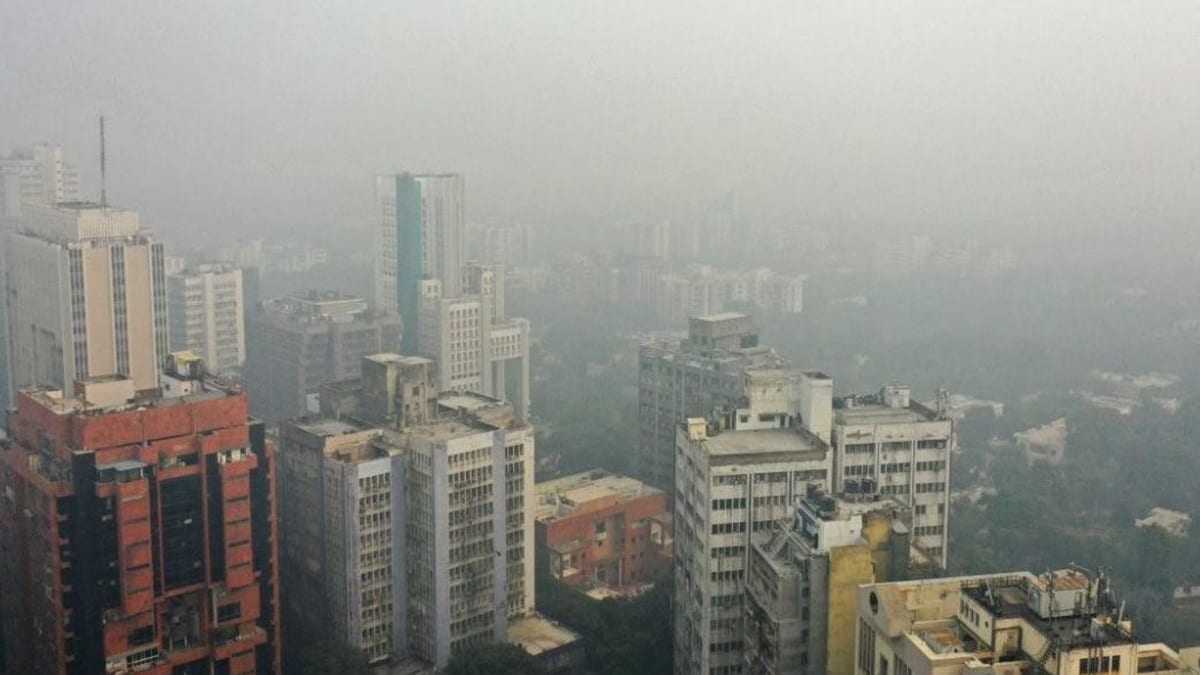
The smoke does not respect state borders, and neither does the argument. With Delhi’s AQI almost reaching 400, the BJP government in Delhi and the AAP government in Punjab are again blaming each other. The Delhi environment minister, Manjinder Singh Sirsa, has expressed worry about the Punjab government's claim that there has been a 90% drop in stubble burning as compared to the past few years.
The Commission for Air Quality Management described the number of farm fires as high. Its chairperson, Rajesh Verma, held a meeting on Wednesday, 4 November, 2026, with officials and police officers from 12 different districts. The real question is not whether the drop is 90% but which year you choose to measure it from and whether anyone breathing Delhi’s near 400 AQI air cares about the baseline.
Latest News
- ◆Punjab Stubble Burning: Cases Tally Hits 2787; 710 FIRs Registered
- ◆Supreme Court Leaves Rotation of Reserved Seats to Parliament
- ◆Supreme Court Allows Green Crackers in Delhi-NCR for Two Days
- ◆Indian IT Stocks Hold Firm Amid Global AI Sell-Off
- ◆Brent Dips Below $100, Then Edges Back Above as Hormuz losses Stability
Read More
Heavy Rain Brings Delhi Its Cleanest October Air Day in Four Years
Delhi’s Winter Air Quality Remains Poor Despite GRAP Measures