
Europe Moves to Put Russia's War Crimes on Trial
The Council of Europe's 46 foreign ministers approve a resolution laying groundwork for a dedicated Ukraine war crimes tribunal
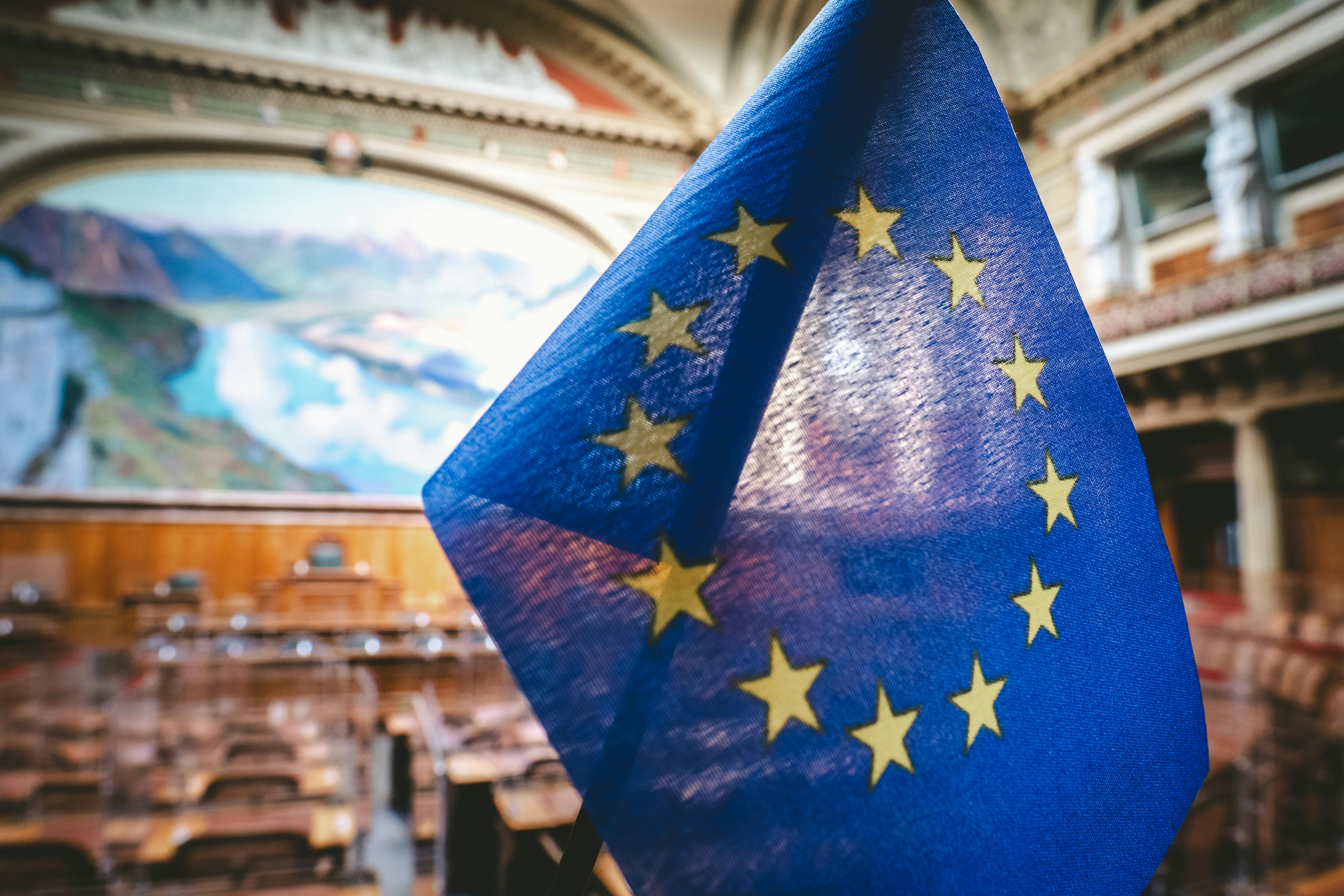
Synopsis
The Council of Europe's Committee of Ministers, made up of all foreign ministers from the 46 member countries, has approved a resolution to create a future war crimes tribunal against Russia for its invasion of Ukraine. The transfer constitutes an important step toward the global pursuit of accountability under international law, which has been gaining political traction since 2022 but continues to suffer from structural obstacles to reaching a stage of formal judicial action against those culpable.
A sense of accountability is a political imperative
As a human rights lawyer, Hazel Morland wrote for two years about the testimonies she gathered from displaced Ukrainians in Poland, and when asked what they desperately wanted from the international community she said it was obvious.
The resolution was finally adopted by the Committee of Ministers of the Council of Europe, which includes the foreign ministers of all 46 countries of Europe, during its meeting in May 2025, bringing that dream closer to being a reality.
A Resolution Three Years in the Making
Strasbourg-based, and separate from the European Union, the Council of Europe is the main human rights organization and guardian of the European Convention on Human Rights in Europe. It does not have powers of prosecution but it has strong convening powers and political legitimacy in its 46 member countries, including all EU countries and others including Ukraine, Armenia and Georgia.
This May 2025 resolution is not a resolution for the establishment of a Tribunal. Instead, it constitutes an instrument of political commitment by the member states to provide support to such a structure, outlines the legal instruments on which it could rely, and calls upon the organisation's Secretary General to start consultation with the member governments regarding the modalities for its setting up.
The ICC's failure to embrace a different approach to the rule of law.The ICC's shortcomings in adopting a new strategy to the rule of law.
The idea of a specialised tribunal to address crimes of aggression, which refers to the unjust opening of an illegal war, has been floating around in diplomatic and legal circles since the beginning of last year. The International Criminal Court (ICC) has jurisdiction to prosecute war crimes, crimes against humanity and genocide.
But its law does not cover the aggression of nationals of non-signatories. It has not yet been ratified by Russia. The advocates' main plea for a special tribunal with a specifically assigned mandate (also made by the Ukrainian government and by a group of international legal scholars) has been along the lines of this jurisdictional gap.
In November 2022, the United Nations General Assembly adopted Resolution ES-11/6, which called on member states to assist in establishing an international mechanism to investigate crimes of aggression against Ukraine, which offers some multilateral political support for establishing such a mechanism.
The structural and political factors are obstacles.Structural and Political obstacles
The process of reaching a resolution to a functional tribunal is still a long way from the Council of Europe vote. There are several important questions yet to be answered regarding the physical home of the tribunal, its composition, and how it would relate to the ICC and the International Court of Justice.
Russia was expelled from the Council of Europe in March 2022 after it invaded Ukraine, and has refused any international court case as politically motivated. China is not a member of the Council of Europe but has not voted for accountability mechanisms for Ukraine at the UN; at the UN, its diplomatic stance would make it unlikely to agree on measures which would set broad precedents for heads of state.
Ukraine's Evidentiary Foundation
Since February 2022, the Office of the Prosecutor General of Ukraine has documented more than 130,000 alleged war crimes committed in parallel with international partners, it reports. Eurojust, the European Union's judicial cooperation body, and joint investigation teams between prosecutors from Ukraine, Poland, Lithuania, Estonia, Latvia, Slovakia and Romania have assisted in the process of collecting evidence.
The ICC in Ukraine has not had a presence in the country before, and has been deployed in the largest number of countries of its history in response to alleged violations.
The Nuremberg precedent and its extension to other cases
International legal experts have asked a more general question about what the tribunal, if it exists, would mean for the future accountabilities structure. The Nuremberg trial of 1945, which tried the top Nazi leaders for crimes against peace (which is the precursor to the modern crime of aggression), came to the conclusion that the person, including state leaders, has criminal responsibility for the launching of an unlawful war.
Since Nuremberg and the present, no such special tribunal has ever been held for the specific crime of aggression as the Council of Europe's resolution is a potentially pivotal moment, which will be judged, not on the vote itself, but on the institutional arrangements that come after it.