
Gold Falls to ₹13,849 a Gram as Dollar and US Yields Climb
Domestic 24-carat prices are about 3.5 per cent below last Saturday’s level, after spot gold fell 2.77 per cent on Thursday
Synopsis
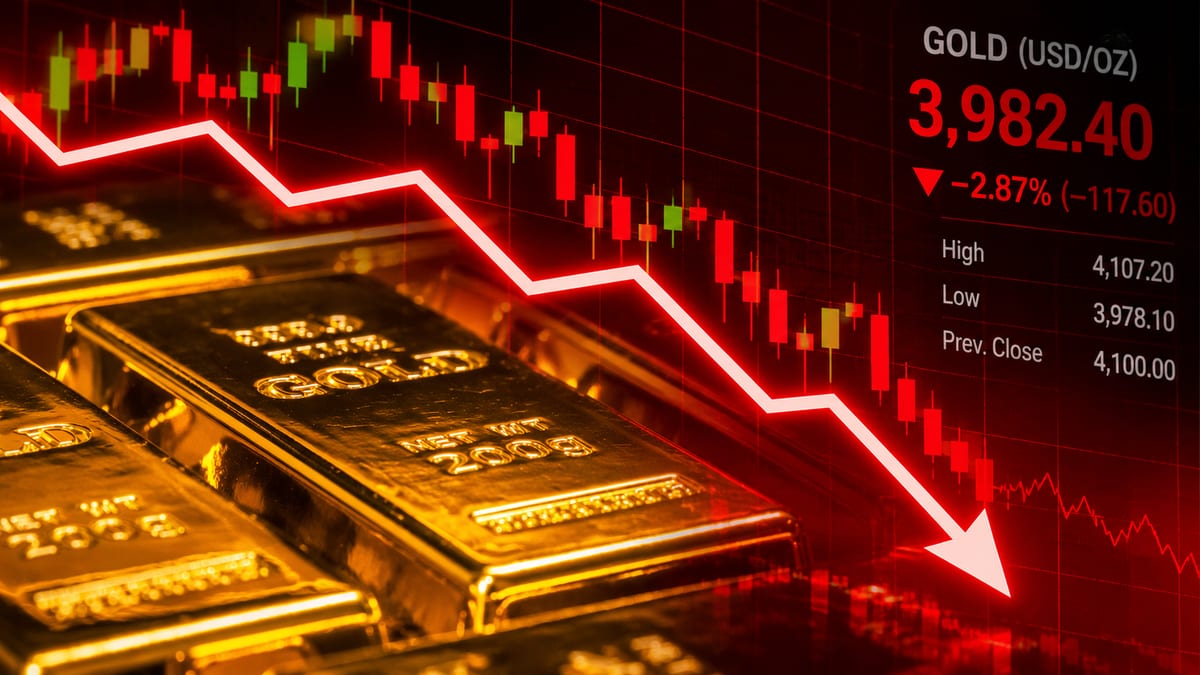
Twenty-four carat gold was quoted at ₹138490 per 10 grams or at ₹13,849 per gram in Mumbai and in Chennai on Friday, about 3.5 per cent lower than last Saturday. US Treasury yields and the dollar were the other drivers, however, pulling spot gold down 2.77 per cent Thursday. Silver also eased. Reports cite rising US yields, a stronger dollar and Fed rate hikes as the reasons for the decline.
The recent lustre of gold in India has dimmed a bit. On Friday, 24-carat gold was quoted at ₹1,38,490 per 10 grams in Chennai and Mumbai, with 22-carat at ₹1,26,950. Silver was trading around ₹1.99 lakh per kg. This comes from 24-carat gold, which is roughly estimated at ₹13,849 per gram.
Price decline is a measure of how far down prices have fallen
About ₹1,43,570 was a downward trend from the same Mumbai and Chennai rates over six days on Saturday, November 7. The price of 24-carat gold in Ahmedabad was at ₹144,160 on November 10, ₹139,850 on November 12 and Friday at ₹138,540, with the bulk of the drop happening in the last three sessions.
Silver has also seen a drop in price, from ₹2.05 lakh per kg on November 7 to ₹1.99 lakh. These are retail quotes and making charges are added to jewellers' rates.
They have been on a wide swing in recent years. One pricing page recorded a ₹6,110 jump per 10 grams on November 5, to ₹1,46,020. The level is approximately 5 per cent higher on Friday.
What is the load on the bullion
Much of the move can be attributed to the backdrop of the global situation. On Thursday, gold prices dropped 2.77 per cent to $3,877.04 an ounce after a rise in US Treasury yields. The dollar index climbed to a 19-month high, Fed funds futures moved to about 29 basis points of rate increases in December following a hotter-than-expected US consumer price reading and the 10-year note settled at 5.105 per cent.
Higher yields increase the opportunity cost of holding gold, since there is no interest to be earned on gold. This month, market commentary has been pointing to the continued challenge of rising rates to non-yielding gold.
The domestic angle
Data from India can spoil the party line that gold is a hedge against inflation. In October, retail inflation stood at 6.09 per cent while silver jewellery was the top contributor to inflation with a value of 52.39 per cent in the consumer basket, business today reported.
Here are two more domestic factors. One is a potential cut in the Reserve Bank's rate on December 2–4. The other is the rupee, which, according to SBI Research, bounced back off the ₹94 mark against the dollar, but has weakened since. A weaker rupee will increase the rupee cost of imported bullion. The higher the rates in the country, the more it will cost to be holding it.
What to watch
The Fed's December decision, the trajectory of US yields and the Fed's meeting are the immediate triggers. Price action in domestic gold this week has been more in line with what rate expectations are doing worldwide than by any one local factor. The market is such that a single day's trading can influence prices by thousands of rupees per 10 gram quantity.
Latest News
- ◆FAA Ground Stop Explained: How a maybe Faulty Router Grounded Every Flight in America
- ◆Kylie Jenner Sued for the 4th Time in 7 Months: Do We Smell Legal Trouble?
- ◆Nvidia Controversy Explained: What Jensen Huang’s Exit Means for India’s AI Ambitions
- ◆Huang Resigns as Nvidia CEO; Shares End 4.3% Lower After Early Slump
- ◆Abu Dhabi Talks Yield Prisoner Swap; US Envoys Brief Putin, Then Zelensky
Read More

Nvidia Controversy Explained: What Jensen Huang’s Exit Means for India’s AI Ambitions

Huang Resigns as Nvidia CEO; Shares End 4.3% Lower After Early Slump