
Himalayan Meltwater Threatens North India's Water Future
Glaciers that feed the Indus, Ganga and Brahmaputra are retreating at an accelerating pace, threatening the long-term water security of hundreds of millions downstream
Synopsis
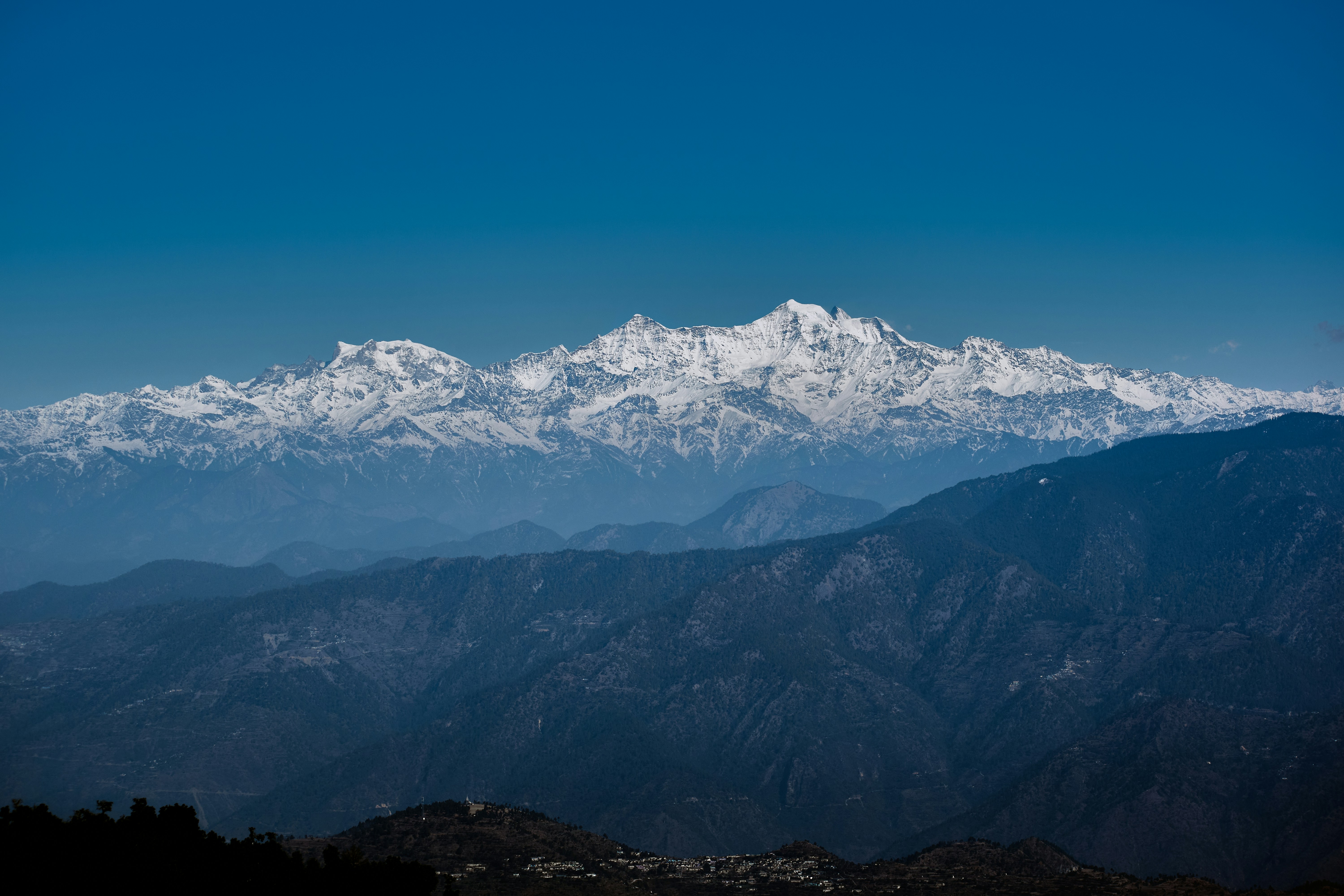
The Himalayas are also known as the water towers of Asia, and their rivers supply water to a large number of people in the South Asian area. The new scientific estimates suggest that increased glacier melt rates may lead to increased water inflows, particularly in spring, and later to a rapid drop in water levels during the dry seasons, which could affect irrigation, drinking water supply and hydropower production. The following article looks at the latest research regarding the rate of melt and implications for North India.
Water Towers Under Stress
India has almost 9500 glaciers spread across about 33000 sq. km. feeding three of the great river systems of Asia, Indus from glaciers in Ladakh and Kashmir, Ganga from glaciers of Gangotri and Yamunotri in Uttarakhand and Brahmaputra from glaciers in Arunachal Pradesh. These systems provide both drinking water and irrigation and hydropower to several hundred million people spread throughout the Indo-Gangetic plains.
Under current climate scenarios, the International Centre for Integrated Mountain Development (ICIMOD) in Kathmandu forecast that the region will see up to a 75 per cent reduction in glacier mass by 2100, a loss that is unprecedented in the observational record.
A Two-Stage Crisis
Hydrologists say the danger is coming in two stages. In the short-term, discharge from the glacier seems to be increasing, causing river levels to rise and the river's regime to become more unstable in some places, especially in the upper catchments of glacier-fed rivers, with flooding occurring in some cases.
In the longer term, as glacier mass decreases, river flows in general, and in particular during the dry non-monsoon period, are hypothesized to decrease, when irrigation and drinking-water demand tends to be highest.
The Indus basin has higher exposure due to snow and ice melt representing up to 72 per cent of the upper Indus river runoff, while the Ganga and Brahmaputra basins are more reliant on monsoon rainfall, with snow and ice melt making up 20 to 25 per cent.
The studies done for the platforms created for civil service research indicate that about 70 per cent of agricultural irrigation is based on glacier-fed rivers in India.
The Interaction of Multiple Vulnerabilities and Multiple Policy Responses
In addition to the long-term flow reduction, scientists point to an increased risk of Glacial Lake Outburst Floods as glaciers melt and destabilise high altitude lakes.
There are approximately 650 hydroelectric schemes planned or under construction in high elevation areas of the region, in many instances near glaciers or glacial lakes, with safety issues a subject of urgent consideration but not yet addressed in a systematic manner by regulators.
The Department of Science and Technology in India has created research stations like Himansh in the state of Himachal Pradesh to directly monitor glacier mass balance, and black carbon emissions (soot) have been identified as a policy priority as they darken glaciers, thereby enhancing the melting process.
Researchers at the Divecha Centre for Climate Change at the Indian Institute of Science (IISc) have calculated that the contribution from Melts to the Satluj river basin will increase till mid-century and then start to drop, providing them with a small window of opportunity to plan adaptation measures before it becomes irreversible.
Latest News
- ◆No PUC, No Fuel: Gurugram Puts 1,054 Sites Under Watch Before Winter
- ◆₹9,222 Crore in Cess Never Reached Its Designated Funds, PAC Notes
- ◆Starship Reaches Orbit for the First Time and Deploys 26 Starlink Satellites
- ◆Supreme Court Refuses to Stay UPI Merchant Charge, Notice Issued to Centre
- ◆Gandak Reaches Record 91.25 Metres, Breaching Embankments in Bihar and Uttar Pradesh