
India, Australia Finally Activate Uranium Trade Deal
Canberra agrees to supply uranium for peaceful use, ending a 12-year delay rooted in non-proliferation concerns
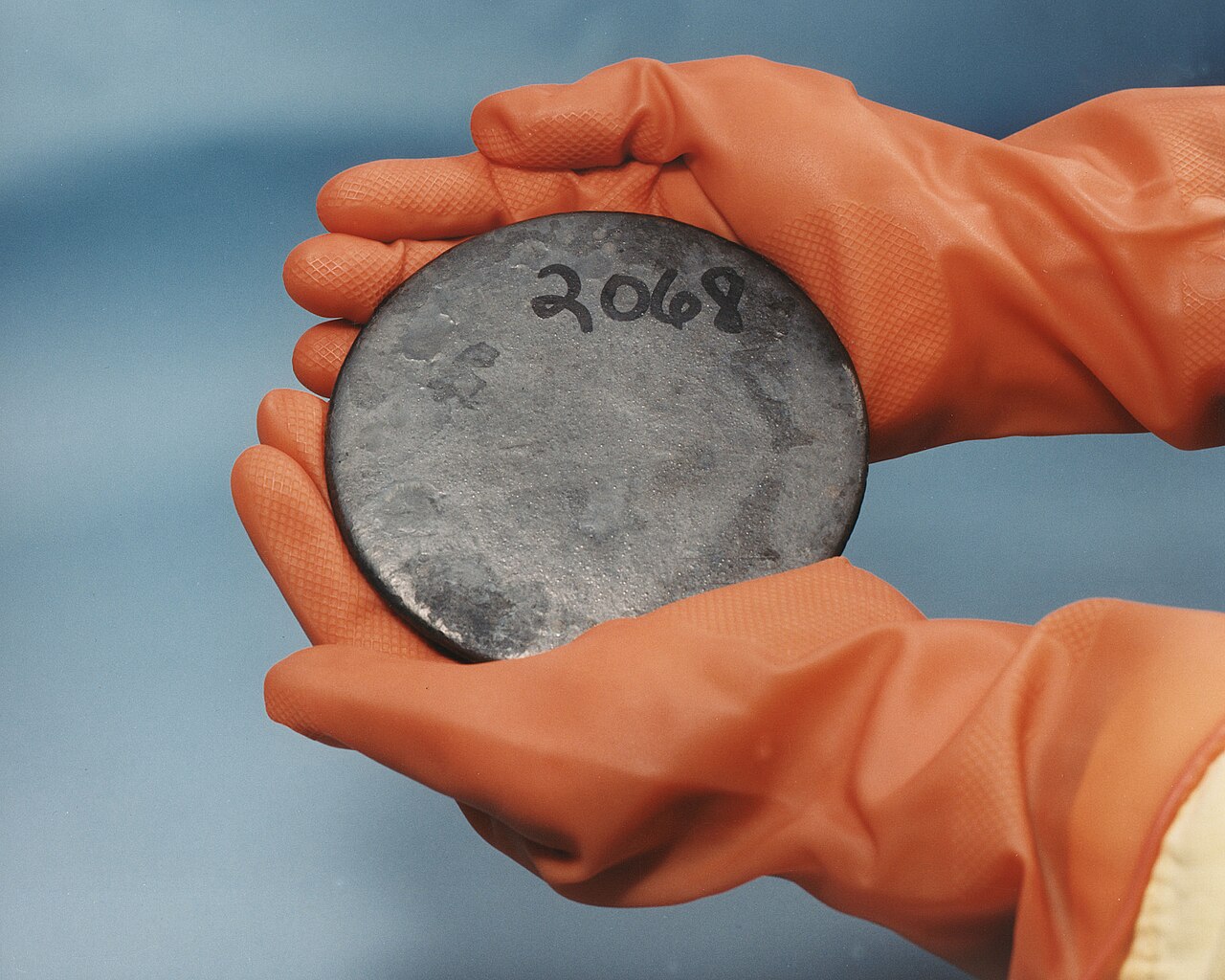
After being engaged on the balance sheet for over 10 years, a civil nuclear deal between Australia and India has finally been triggered, which paves the way for Australian uranium to power India's growing nuclear power programme.
The Announcement in Melbourne
The agreement was affirmed by both countries when Prime Minister Narendra Modi visited Australia. Modi had also met with Australian Prime Minister Anthony Albanese today and announced an important deal signed on nuclear energy, which would "pave the way for uranium supply from Australia to India and provide fresh momentum to our clean energy goals.
The deal, which was made in a joint declaration, was a "temporary" solution that would permit long-term uranium exports "exclusively for peaceful purposes," a joint statement said.
A Decade of Delay
Australian uranium exports to India have been paused since 2014 when an agreement was reached for Australia to export the material to India, but there is concern that it may be used to make weapons.
India has not signed the Nuclear Non-Proliferation Treaty, which has been a sticking point for Australia's export policy, especially the requirement for a "strict separation" between civilian and military nuclear programmes.
The breakthrough came with a change in the Indian government's domestic policy. In December 2025 India enacted the SHANTI Act, a comprehensive reform of its civil nuclear policies, which brought about a drastic overhaul of decades old rules, paving the way for both private and foreign investment.
Scale of India's Nuclear Ambition
The risk involved for Indians is high. The country's current nuclear power capacity is 8.8 GW and is planned to be expanded to 100 GW by 2047, but the country's domestic uranium reserves, which are largely from the low-grade resources of Jharkhand and Andhra Pradesh, cannot be relied upon to meet such demand.
Australia, on the other hand, has tremendous reserves. It is home to almost 28 per cent of the world's known uranium reserves, and is one of the few countries that can be a stable long-term supplier on India's scale.
Beyond Energy
One of the pacts that were signed during the visit was the nuclear pact. After the summit, the leaders signed 18 agreements, such as a joint declaration on defence and security cooperation, a roadmap for maritime security cooperation and a partnership cooperation for cyber, critical technologies and supply chains.
Both nations also agreed to make a "temporary space tracking terminal" in Australia's Cocos Keeling Islands available to Indian space flight projects.
What Remains Unsettled
It's too early to draw any conclusions about this announcement, analysts warn. While the agreement was described in a recent energy-market analysis as "a framework of the Government-to-Government kind," there's no mention of Australian uranium producers and no volume commitments. Actual commercial offtake contracts will only be negotiated between the mining companies and Indian utilities — and that's happening in July 2026.
Latest News
- ◆Allahabad High Court Quashes Dowry FIR, Cautions Against Criminalising Failed Marriages
- ◆Nifty Snaps Eight-Week Losing Streak as Equities Rebound; 200-Week Average in Focus
- ◆Riyadh Airport Attack Kills 12, Deepens Saudi–Houthi Conflict; Trump Weighs US Role
- ◆Northern Railway Restores 214 Passenger Trains; 30 Still Cancelled After Delhi Protest
- ◆Supreme Court Bars Illegal Detention of Peaceful Protesters, Orders Normal Delhi Transit