
Pakistan Transport Fares Surge After Fuel Price Hike
Minimum bus fares fixed at PKR 50 as operators cite mounting costs following another petroleum price increase
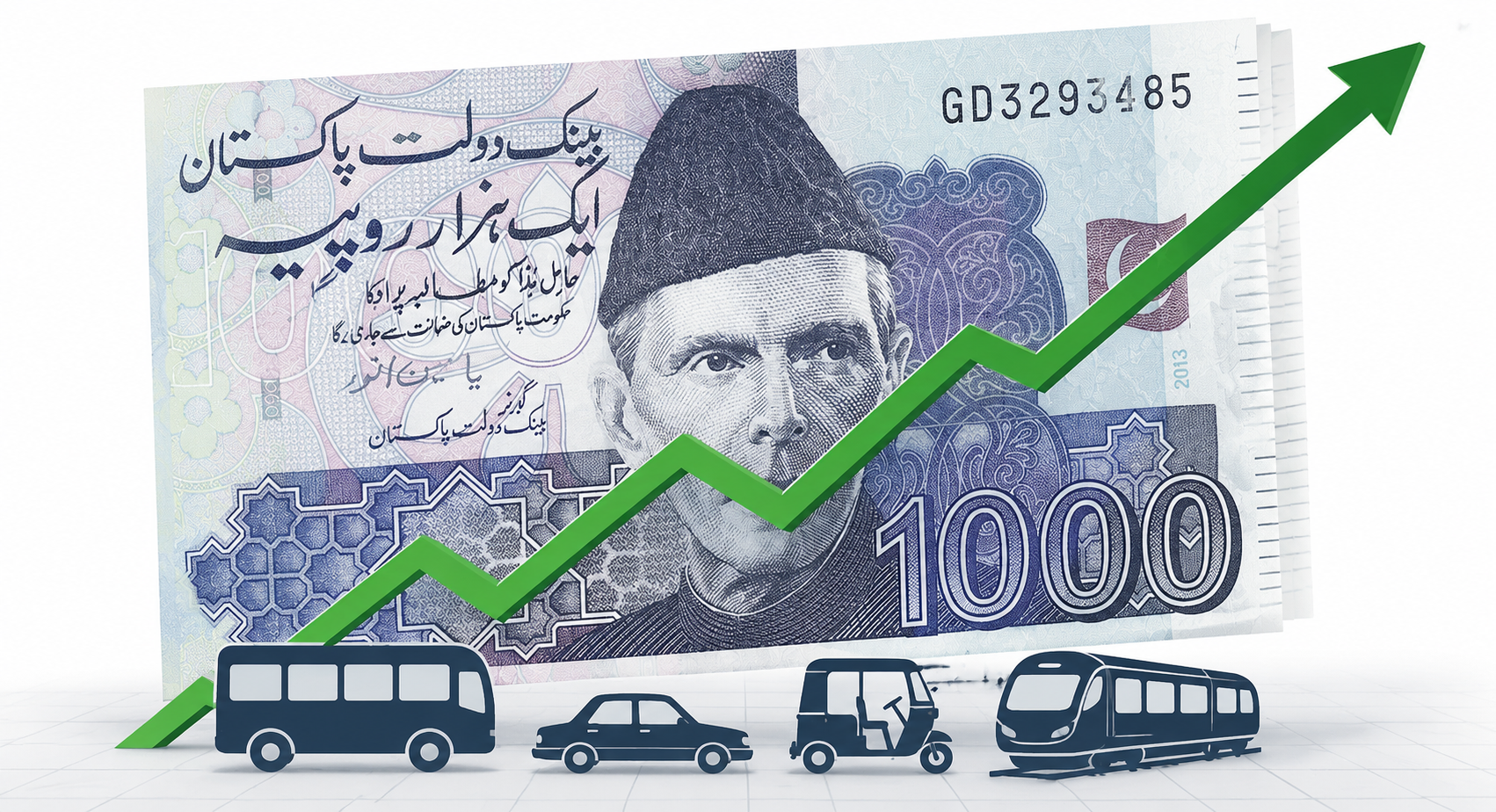
Fares for transport operators have been increased across Pakistan with a new set of price hikes being felt by commuters and traders in the country, after the prices of petrol and diesel were also revised upwards following some unrest in the Middle East.
Fares Rise Across the Board
The minimum fare for stop-to-stop has again been set at Rs 50 and goods transport charges have been sharply increased too. Traders say freight charges for loaded trailers being transported from Karachi to Peshawar have been raised to Rs 700,000 on major routes, an increase that will cause extra inflation.
There is some difference between the regions. In Rawalpindi the fares of local buses have been raised by Rs 20 per passenger and to other areas by Rs 30 per passenger and extra fees have been imposed on luggage too.
The operators of long routes have raised their fare from Rs 100 to Rs 250 per passenger and the fare on the AC coach from Rawalpindi to Murree has been increased to Rs 700.
Why Operators Say They Have No Choice
Haji Zahoor Arain, the patron-in-chief of Transport Federation, justified the hikes as an essential measure. Rising petrol and diesel prices inevitably caused fare rises, while rising vehicle prices, spare parts costs, traffic fines, wages and taxes, and repeated toll rises are all aggravating costs of operating, he added.
The Root Cause: A Global Oil Shock
The short-term catalyst goes back to the international oil markets. The price hikes come after the government had reduced fuel prices in June. But sources and experts say the new row with the Middle East has resulted in fresh hikes with Pakistan importing the majority of its petrol and deciding on fuel prices weekly since the beginning of the US-Iran conflict.
The price of airfares is also impacted. After a recent hike in petrol prices, airfares are expected to rise in Pakistan with the government raising the price of jet fuel by PKR 13.23 per litre, which now stands at PKR 251.02 per litre.
Ripple Effects on Households
The rapid chain of transmission of fuel shocks in the Pakistani economy has been well documented by economists for a long time.
The transport fare hikes, if not the food price hike, soon follow the initial price hike within hours, with vegetable and fruit prices rising as the result of higher transport costs, which is a significant burden on the lower income groups already burdened with an unstable rupee, high import cost etc.
What Comes Next
Punjab's provincial transport authorities, which had previously stated they would follow operators' procedures before informing the government agency of the new fare structures, had cautioned that they would work against anyone doing overcharging.
In the near term, further fuel price volatility in Pakistan is expected in view of the crude prices being tied to the geopolitical situation of the US-Iran conflict and its effect on shipping through the Strait of Hormuz.
Latest News
- ◆Allahabad High Court Quashes Dowry FIR, Cautions Against Criminalising Failed Marriages
- ◆Nifty Snaps Eight-Week Losing Streak as Equities Rebound; 200-Week Average in Focus
- ◆Riyadh Airport Attack Kills 12, Deepens Saudi–Houthi Conflict; Trump Weighs US Role
- ◆Northern Railway Restores 214 Passenger Trains; 30 Still Cancelled After Delhi Protest
- ◆Supreme Court Bars Illegal Detention of Peaceful Protesters, Orders Normal Delhi Transit