
Iran Closes Hormuz as Lebanon Burns, Geneva Talks Hang in Balance
Tehran cites Israeli strikes on Hezbollah as a violation of the U.S.-Iran MOU; Pakistan's delegation lands in Bürgenstock as JD Vance joins negotiations on Sunday
Synopsis
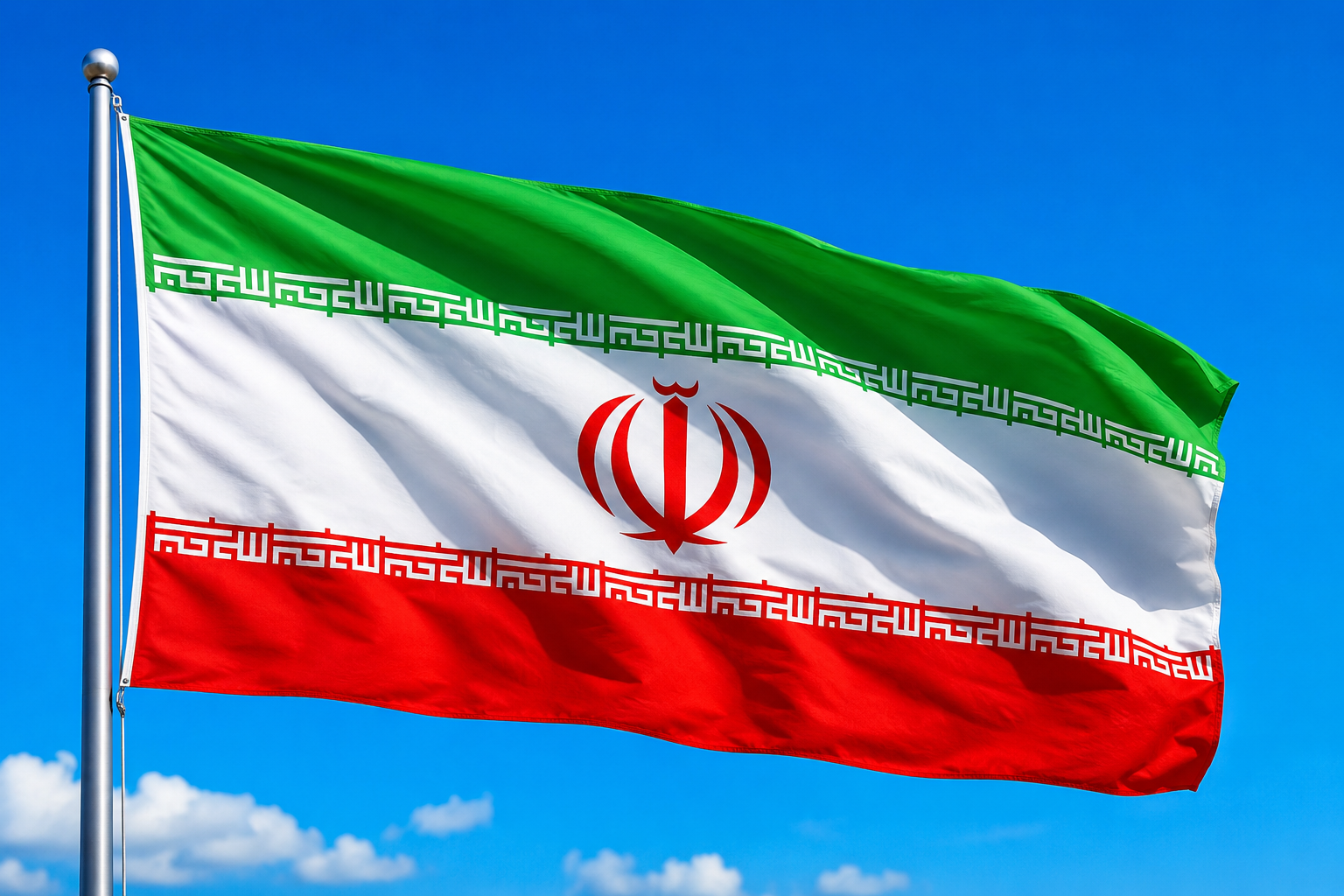
On June 21, 2026, Iran announced the closure of the Strait of Hormuz, alleging Israel's strikes on southern Lebanon violated a U.S.-Iran “memorandum of understanding” to the contrary, signed earlier in the week, that contained 14 clauses. In spite of a new ceasefire agreement that was just announced, a minimum of 16 individuals, including two children, were killed in Israeli overnight raids on Lebanese territory. Pakistan, the pivotal country in the interim accord, said on Sunday that the technical-level talks between Washington and Tehran would resume in Bürgenstock, Switzerland.
The release of hormones can cause a reversal in less than 48 hours
The Strait of Hormuz was closed, overturning less than 48 hours earlier an order by Iran's central military command to reopen the vital shipping route and suspend transit fees.
The Islamic Revolutionary Guard Corps Navy has instructed ships to not come near the waterway, saying their safety would be jeopardised in case they approached the waterway. The move was Iran's top military officials' “first step” in reaction to what they called “disregard for Iran’s commitments” by the United States and Israel.
The United States challenged the characterisation. U.S. Central Command said: "Iran does not have control of the Strait of Hormuz, trade is in progress, and U.S. forces are watching the situation to ensure it continues. On Saturday, 55 merchant vessels traveled the waterway carrying over 17 million barrels of oil to markets around the world, CENTCOM said.
Lebanon: The Clause That Collapsed the Truce
This was caused directly by acts on Lebanese soil and inevitably led to the Hormuz closure. At least 16 people, including two children, were killed and two others were injured in Israeli air raids on southern Lebanon on Saturday, hours after a new ceasefire agreement had been announced between Israel and Hezbollah. A family of four – parents and two kids – was killed in Barish village during a strike.
Iran said it has closed the Strait of Hormuz following violation of the first terms of the 14-point memorandum of understanding agreed with Yemen earlier in the week which required cessation of hostilities on all fronts, including Lebanon. Israel was not a signatory to the MOU.
Both sides in Lebanon blamed the other. In a statement, the Israeli military said Hezbollah launched over 50 projectiles on Israeli forces overnight and that it had hit dozens of Hezbollah command centres in response. Hezbollah, whose forces are not yet included under the ceasefire, had also promised to abide by its obligations, but to fight back Israeli incursions.
A Hezbollah source told the Associated Press that Iran has told the group it wouldn't reopen the Strait of Hormuz until Israel publicly declared a comprehensive ceasefire and halt to military operations in Lebanon. Lebanon's Health Ministry says the death toll in the Israel-Hezbollah conflict has now passed 4,000 since the conflict began March 2.
Mediation and Switzerland Track in Pakistan
Key mediator Pakistan confirmed Sunday that technical-level discussions between Iran and the U.S. would take place in Bürgenstock, Switzerland with Qatari mediators. The Prime Minister of Pakistan, Shahbaz Sharif, and Field Marshal Gen. Asim Munir then went into Switzerland to meet the delegations.
Early Sunday, Vice President JD Vance joined Trump's special envoy Steve Witkoff and senior adviser Jared Kushner in Switzerland. Vance indicated to reporters before he leaves that the situation in Lebanon had "calmed down" and he hoped for "progress on the nuclear issue" and "progress on the Lebanon ceasefire.
Vance was immediately given a brief meeting with Pakistan's delegation, where he was welcomed by Prime Minister Sharif, before meeting other Pakistani officials.
Iran's team reached Switzerland but indicated low hopes. CNN reported that the Iran official told them the Lebanon situation is the delegation's "top priority" and Tehran did not think the next stage of negotiations had officially begun until that issue was discussed.
President Trump, in turn, threatened to tax ships entering and leaving the Strait of Hormuz if a final deal with Tehran wasn't completed. The MOU's 14 clauses call for a 60-day negotiating period, which can be extended by mutual agreement. The window is closing quickly, as Lebanon continues to burn and Hormuz has been closed.
Latest News
- ◆NSE's $2.3 Billion IPO Draws Over $10 Billion In Bids
- ◆India-New Zealand Free Trade Pact To Take Effect October 20
- ◆Tata Group Governance Feud Deepens Over Chandrasekaran's Term
- ◆India Reaffirms Push For Constructive Ties With Bangladesh
- ◆Teen Gang-Raped Near Delhi Temple, One Suspect Held In Encounter