
Iran-Israel and the failed UN
An analysis of the failure of the UN in de-escalating the US–Iran war
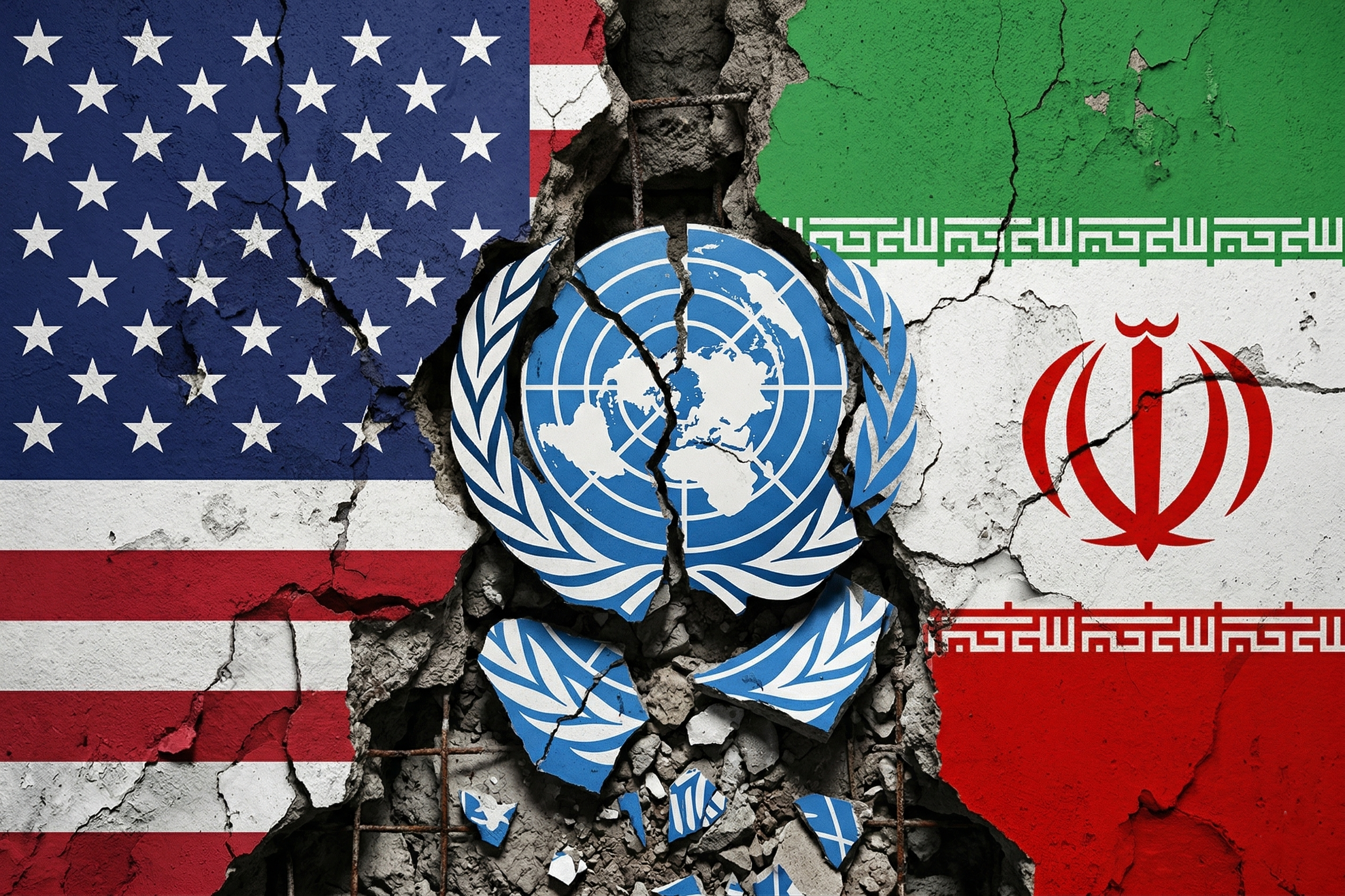
AI generated image
New Delhi: Israel struck a pre-emptive attack on Iran earlier, a move that caused new explosions in Tehran and an increased apprehension of a broader range war in the Middle East as the nuclear talks failed to take place. The strikes resulted in the death of Iran's Supreme Leader, Ali Khamenei, and several high-ranking IRGC officials. Iran responded with "Operation True Promise III," launching hundreds of ballistic missiles and drones not just at Israel, but at U.S. bases and allied nations including Bahrain, Qatar, the UAE, and Jordan The U.S troops are said to be conducting attacks on Iran as both parties prepare to attack back and even escalate the action to a wider regional scale.
The criticism of the UN stems from its structural inability to prevent or even de-escalate the violence, which is largely seen as a by-product of the veto power and geopolitical divisions within the Security Council.
The main goal of UN was to prevent another world war by providing a mechanism to resolve disputes, investigate threats, and take swift action against aggression. Unlike its predecessor, the League of Nations, the UNSC was designed to have the power to enforce its decisions on all member states, acting as a, binding, authoritative body.
Yet, The UNSC met in emergency session on February 28, 2026 but failed to pass any resolution or even issue a unified statement. The United States is a permanent member and a direct participant in the strikes, any resolution condemning the military action is dead on arrival. On the contrary, Russia and China have denounced the U.S.-Israeli strikes as a "flagrant violation of the UN Charter," the U.S. and Israel have used Article 51 (Self-Defence) to frame their strikes as pre-emptive. This creates a "legal grey zone" that the Council cannot resolve.