
Three Failures in One Year for ISRO
What ISRO’s EOS-N1 Loss Means for India’s Space Program
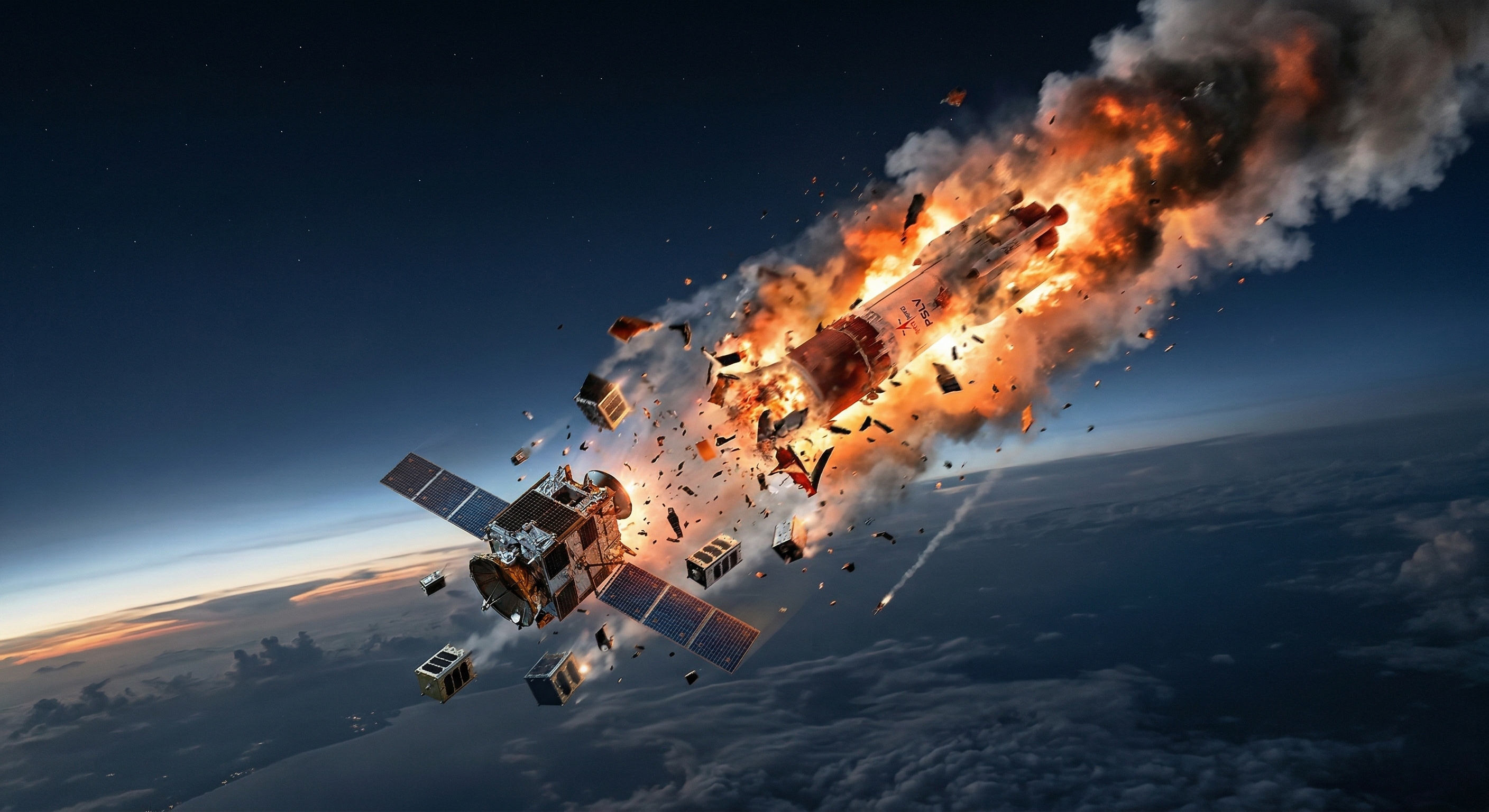
AI generated image
On January 12, 2026 ISRO’s C62 /-EOS-N1 mission encountered a tragic failure. Mission objectives included the insertion of EOS-N1 satellite (also called Anvesha, a hyperspectral Earth-observation/military satellite) along with 15 co-passenger satellites to SSO, [Semi-Major Axis (km) 6883.428 + 10, Altitude (km) 505.291, Inclination (deg) 97.5 + 0.12]. At the end of stage 3 The mission encountered an anomaly which initiated an unintentional, uncontrollable tumble in the rocket leading to its failure. Official sources have yet to state the reason for failure. Chances of getting any proper explanation for the same remains thin due to the secretive nature of the mission.
This marks the third failure of ISRO within the period of 12 months, with PSLV-C61 Mission Failure on May 18, 2025 and GSLV-F15 / NVS-02 Mission on January 29, 2025. Such recuring losses in space mission creates a point of concern among the space community and in the public eye as well. Space missions like such usually cost millions of dollars in funding with the estimated per launch cost of PSLV being upwards of Rs 250-300 Cr, while ENOS-N1/Anvesha is estimated at over Rs 200-400 Cr, with 15 co-passenger satellites collectively estimated at Rs 100-200 crore. It puts the overall loss at over Rs 500-800 crore when satellite, launch and development cost are included.
Monetary losses excluding, Failures like this sets up a bad precedent for ISRO and ruins the reputation of the organization, which might impact funding in future, team confidence and also may result in loosing footing in the already competitive commercial launch market, overcoming this will prove to be a huge challenge for NSIL New Space India Limited, the commercial arm of ISRO.
15 co-passenger satellites included payloads form various up incoming space startups from India itself, some of which are CGUSAT, DSUSAT, Thybolt-3, LACHIT from Dhruva Space, MOI-1 from Takeme2Space, AyulSat from OrbitAid. Mission failures like such will impact highly on the startup industry and will reflecting badly on their portfolios, creating problems for future investment opportunity, Timelines will also be badly disrupted leading to delays in future missions.
Possible reasons for the mission failure can be caused due to numerous issues such as breach of motor casing, Nozzle Vector/Actuation failure, Poor quality supplier, Guidance and navigation failure, Quality assurance issues, all will remain a speculation until ISRO chooses to provide us with a proper statement. Until then, the only hope is for a thorough investigation of the issue and the implementation of improvements to avoid further such incidents.