
Iran Remains Defiant on Strait of Hormuz
Iran calls on the U.S. to accept their defeat
Synopsis
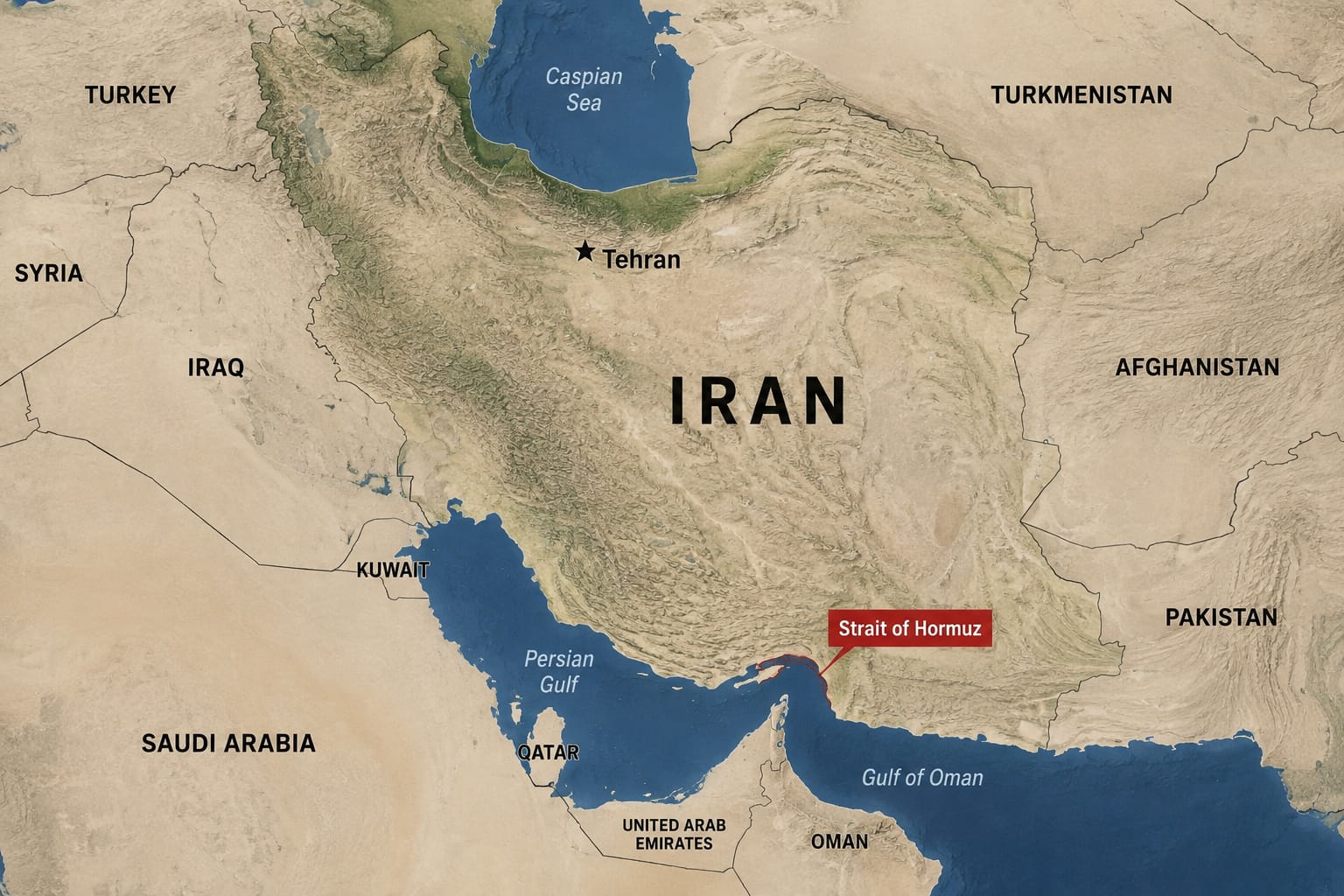
U.S. President Donald Trump informed the citizens of his country to prepare themselves for continued high fuel prices due to the ongoing war, while Iran refuses to let the U.S. take control of the Strait of Hormuz.
The Strait of Hormuz Conflict
After Donald Trump recently suggested that he would soon declare the Strait of Hormuz as a territory of the U.S., Iran has reportedly called on the U.S. to accept their defeat and not indulge in delusions.
Iran’s Deputy Foreign Minister Kazem Gharibabadi posted on X early Saturday, August 15, 2026, saying that the very crucial waterway that has been responsible for handling one-fifth of the world’s oil before the war, “cannot be seized with a tweet, nor with an aircraft carrier, nor by issuing an order, nor through an election speech”.
He further added, “This strait will only be opened and closed under Iran’s command, and as long as you do not accept the reality of defeat and stop indulging in delusions, Iran will continue to enforce the blockade”.
The War is Far from Being Over
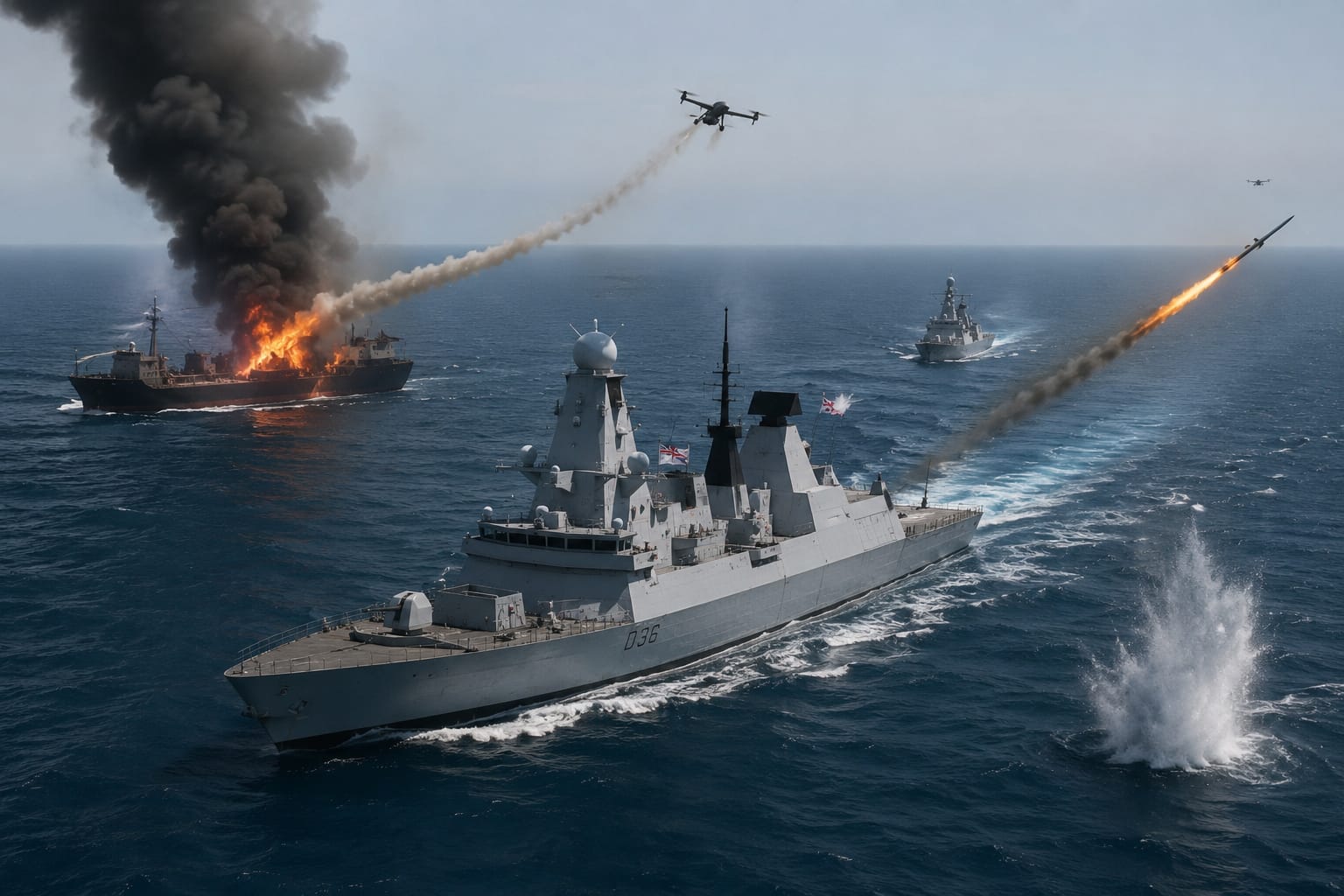
The progress of the peace talks and oil tanker traffic through the strategic Strait of Hormuz waterway has been halted, with no sign from the two warring nations of moving towards drawing a peace treaty and ending the conflict that was launched on February 28, 2026.
Foreign minister Abbas Araqchi has said that Iran has not yet resumed talks with the U.S. He has further added that the U.S. must meet conditions on the strait in order for shipping to resume in the Strait of Hormuz.
A 60-day negotiating period, which was intended to settle a deal between the two countries in order to end the conflict, was drawn out when Trump and Tehran signed a memorandum of understanding in mid-June. It ended on Monday with very few discussions and negotiations carried out regarding the conflict.
The Increase in Oil Prices
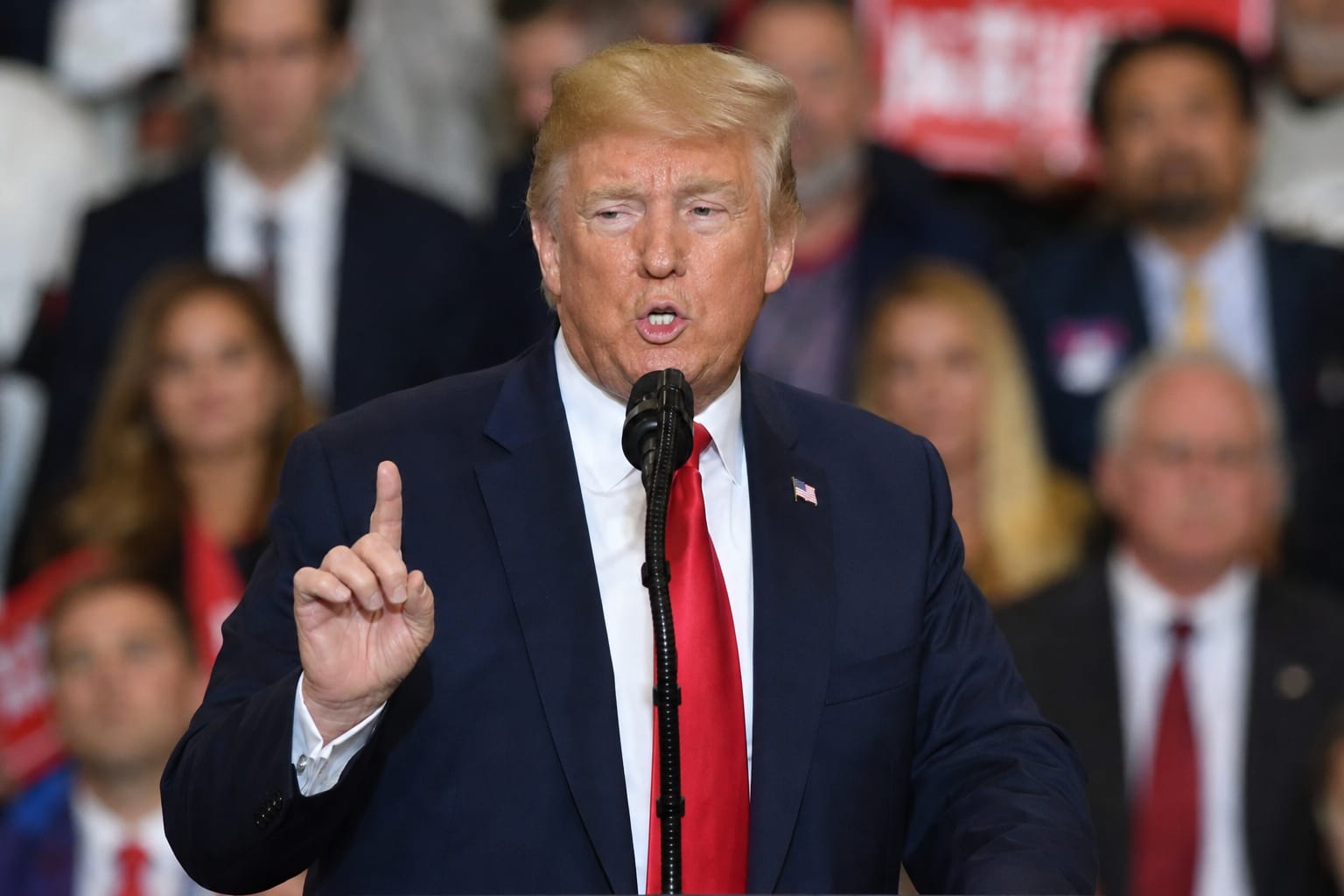
While addressing a police academy in Nassau County, New York, on Friday, August 14, 2026, Trump gave the impression that Iran was being defeated very badly and that victory was very near. He further added that once he had declared his victory over Iran, he would also declare the Strait of Hormuz as a part of the United States.
Hence, he urged the Americans to accept the slight increase in gasoline prices and that having to deal with an increase in the price was better than accepting defeat from a “very evil country” that could have a nuclear weapon, one of the reasons which he had stated for the war.
Trump went on to say that the U.S. is doing a favour to the world and not just to itself.
Prices are still significantly higher than before the conflict, and rose again early Friday, August 14, 2026. Crude oil futures rose $1 a barrel on Friday while Benchmark Brent futures were on track for a weekly rise of 6.0%.
According to analysis from ship tracking firm Kpler, only two vessels have passed through the Strait of Hormuz on Friday with no crude oil shipments visible. While some ships might still travel undetected by keeping their transponders off, the figures are nowhere near what they used to be before the war broke out.
Vessels that dare to travel the strait without prior Iranian permission risk being attacked by drones and missiles. The United Arab Emirates’ Abu Dhabi National Oil Company said two of its vessels were attacked while transiting the strait on Thursday evening.
In Talks for a Possible End to the War?
A tentative June deal to end the war is in visible shreds as talks for peace, quite efficiently, get out of hand.
Araqchi said, “We did not have a ceasefire in the first place that we would now want to extend,”. He further added, “We had ‘the end of the war,’ and now there is a new situation.”
Furthermore, attacks by Iran- backed Houthis in Yemen have sparked risks of a widening regional war. Yemen’s government has reported that the Houthis fired six ballistic missiles at the Red Sea port of Mocha on Friday, resulting in the death of four civilians.
The SABA news agency, which is run by the Houthis, has cited a military source as saying that the group had targeted an Aramco facility in the Saudi city of Najran with a drone.