
ISRO’s GSLV-F18 Launch: India’s Home-Grown “GPS” Gets Its Fourth Satellite
NVS-03 takes NavIC up to four working satellites, and here’s what that means in plain English
Synopsis
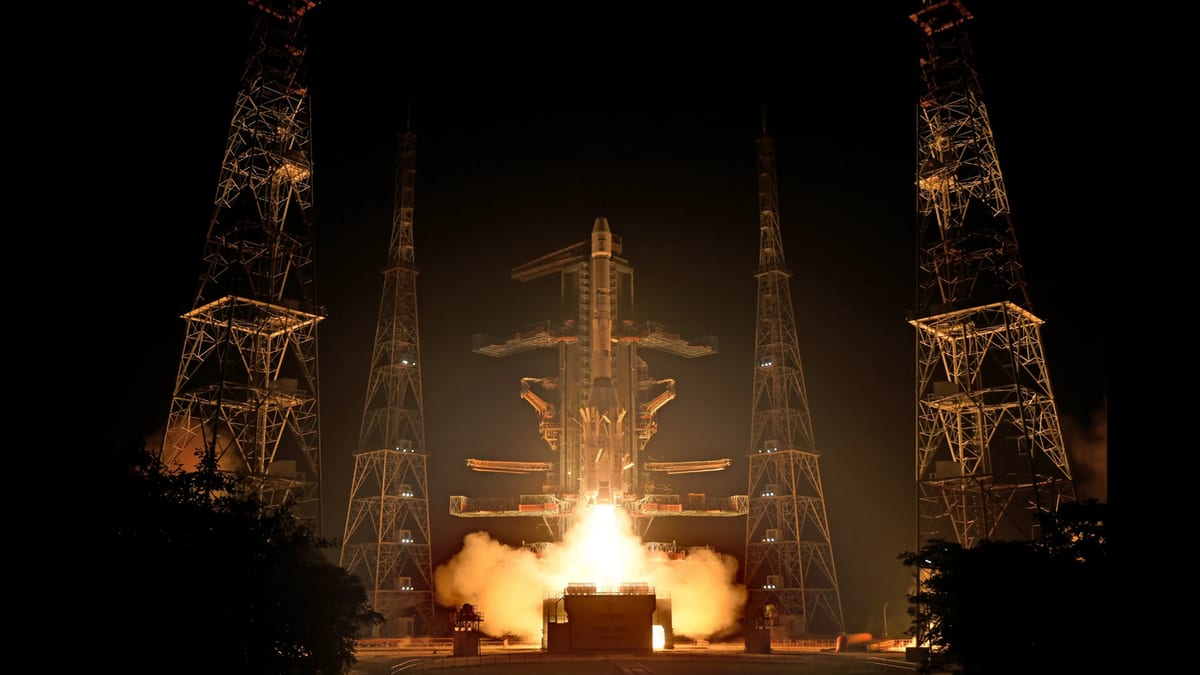
On October 30, 2026, ISRO’s GSLV-F18 rocket launched the NVS-03 satellite from Sriharikota at 11:51 pm. The satellite is a new addition to India’s NavIC collection, its own navigation system. It’s basically GPS but owned by India. It carries an Indian-made atomic clock and brings NavIC back to four working satellites. Here’s what happened, what the jargon means, and why you should care even if you’ve never read space news.
GSLV-F18 Launch: ISRO Lifts Off Right on Schedule
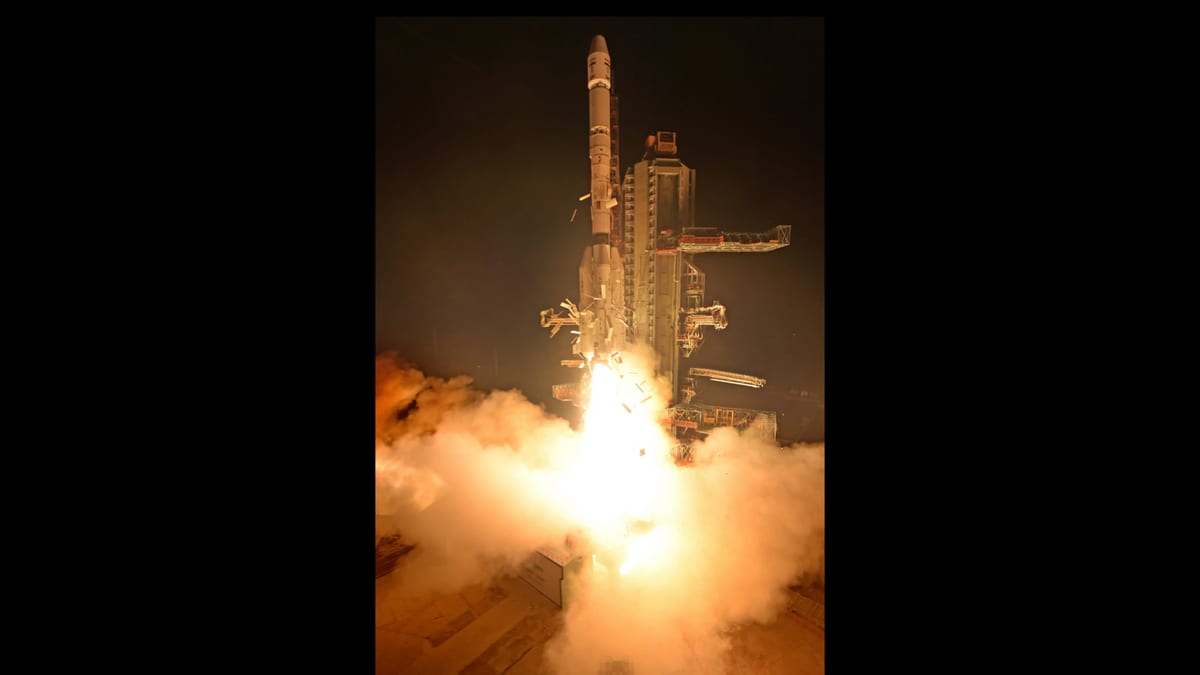
A 50-metre rocket, a 24-hour countdown, and a very late Friday night. From the Satish Dhawan Space Centre in Sriharikota, Andhra Pradesh, at 11:51 pm on Friday, October 30, 2026, ISRO’s GSLV-F18 rocket took off from the second launch pad.
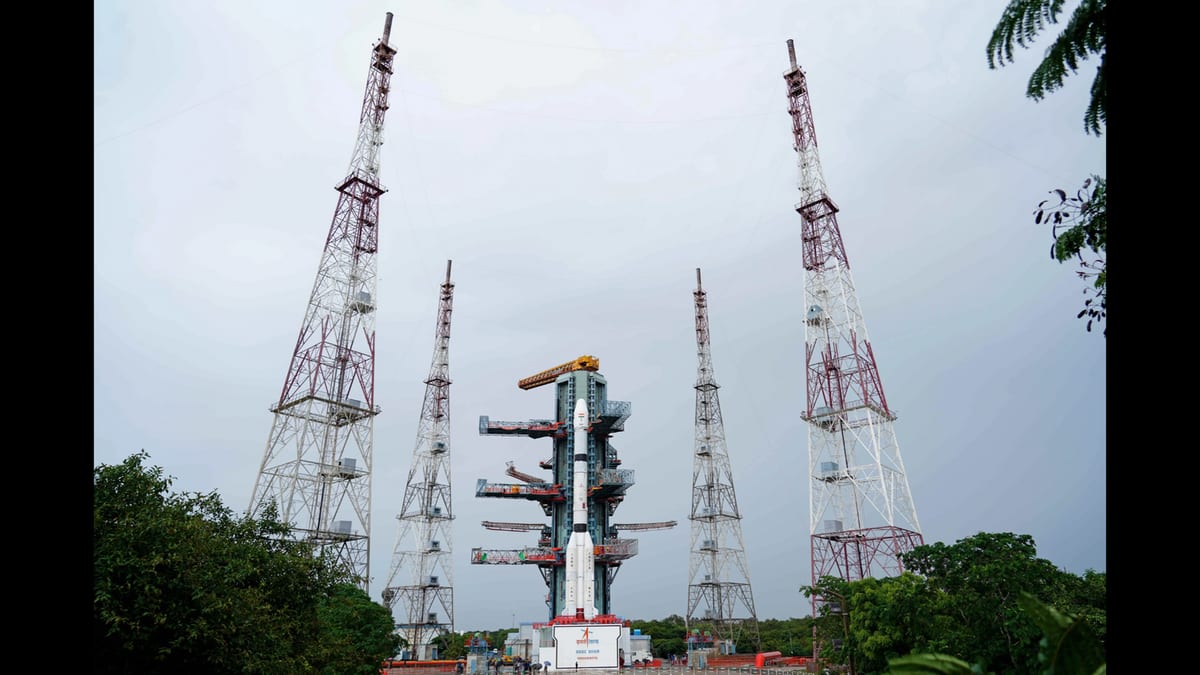
The rocket is about 50 metres tall (roughly a 16-storey building), has three stages, and weighs around 420 tonnes at liftoff. It was the 20th GSLV (Geosynchronous Satellite Launch Vehicle) flight. It's a rocket built to carry heavy satellites high above Earth. It is also ISRO’s third space launch of 2026.
What Is NVS-03? India’s Next-Gen NavIC Satellite Explained
Think of it as a very precise clock in the sky, with a signal your phone can understand. At 2,250 kg, NVS-03 is about as big as a large SUV. Its job is to help run NavIC (Navigation with Indian Constellation). It provides us with PNT: position (P): where you are, navigation (N): how to get there and timing (T): what time it is. It covers India and about 1,500 km beyond its borders, and supports ship safety, vehicle tracking and emergency alerts.
Two things make this satellite special:
1. An Indian-made atomic clock. It’s a rubidium clock, a device that keeps time by measuring the natural vibrations of atoms, so it's accurate for a longer period of time. Navigation depends on timing, because your location is worked out from tiny differences in when satellite signals arrive.
2. A civilian L1 signal. Signals travel in “bands”, which are just radio frequency ranges. NVS-03 broadcasts on L1, L5 and S, and L1 is the one consumer devices such as smartphones, smartwatches and fitness trackers can use.
Why NavIC Matters: Less Dependence on GPS, More Control at Home
Four working satellites is the minimum, so this launch was not a luxury but a necessity. GPS is owned by the United States. NavIC is Indian-owned, so the country doesn’t depend on foreign systems for something as basic as knowing where its trains, ships and aircraft are. ISRO Chairman V. Narayanan called NavIC a national strategic asset and said it would help track trains, aircraft, ships and help with other civilian uses.
NVS-03 takes the number of active NavIC satellites to four, the minimum the system needs to work on its own. That’s why this launch mattered so much.

The NVS-02 Failure: What Went Wrong and What ISRO Fixed
A stuck valve in 2025 turned a launch success into a satellite problem. In January 2025, the NVS-02 mission reached space but did not reach its intended orbit. Reports suggested that a fuel valve connector malfunctioned, resulting in the satellite being unable to fire its engine in order to climb where it was meant to in the first place. It’s like a phone that is on but isn’t connected to the network, making it technically unable to perform its job.
ISRO then reviewed the satellite’s engineering and changed the pyrotechnic valves, which are valves opened by a small controlled explosion, so the propellant system works as required. NVS-03 was designed to avoid the same problem.
What Happens Next: NVS-03’s Journey to Its Final Slot
The rocket’s done; now the satellite has to drive the last stretch itself. The rocket dropped NVS-03 into a geosynchronous transfer orbit (GTO). That’s an oval-shaped parking orbit from which satellites climb to their final position. Two terms describe the oval:
1. Perigee: the closest point to Earth. NVS-03’s is about 170 km.
2. Apogee: the farthest point. Narayanan reported it at about 38,080 km, slightly higher than the planned roughly 37,023 km, which he called a precise launch and ISRO’s best GSLV performance so far.
In the next few days, ISRO will fire the satellite’s own engine in orbit-raising manoeuvres to lift it into a geosynchronous slot. A satellite in such an orbit circles at the same rate as Earth rotates, so it stays over one spot. Its solar panels have already opened, and its health is good. ISRO expects data to start flowing in about a week. The launch also came just 56 days after the previous GSLV flight (EOS-05, on September 4), ISRO’s shortest gap between GSLV launches.
Latest News
- ◆PM-KISAN’s 24th Instalment Sends ₹18,690 Crore to 9.34 Crore Farmers
- ◆Heavy Rain Brings Delhi Its Cleanest October Air Day in Four Years
- ◆Reliance Industries Posts Record Quarterly Profit of ₹29,550 Crore on Refining Strength
- ◆Jio Platforms Reports 13.7% Profit Growth in First Results After Listing
- ◆Brent Crude Settles at Six-Month High of $117.64 After Hormuz Tanker Attack
Read More
OpenAI is being sued over ChatGPT advice that allegedly led to an epilepsy patient's death

Instagram Tests 90-Minute Horizontal Videos Called Features