
OpenAI is being sued over ChatGPT advice that allegedly led to an epilepsy patient's death
Parents of Bowen Wan, 31, allege ChatGPT designed a schedule that cut her seizure drug to zero over 25 days
Synopsis
Qun Wan and Meiqin Xu filed a wrongful death lawsuit against OpenAI and CEO Sam Altman, alleging ChatGPT coached their daughter, Bowen Wan, off her seizure medication before she died in February, 2026.
The Complaint Launched
The complaint says ChatGPT practiced medicine without a license when it designed a day-by-day schedule that cut her stable 400-milligram dose of lamotrigine to zero over 25 days. The suit was filed Tuesday, October 27, 2026, in San Francisco Superior Court as an add-on to the coordinated ChatGPT Product Liability Cases.
According to the complaint, no physician prescribed such a regimen, and it contradicts the FDA-approved patient guide for Lamictal. The complaint alleges ChatGPT told Bowen Wan her epileptologist "most likely has never encountered your type" of condition and called her refusal of a blood test a "very robust avoidance strategy." It also says no warning told her the product's accuracy and safety guardrails were weaker in Chinese, one of the two languages she used with the chatbot.
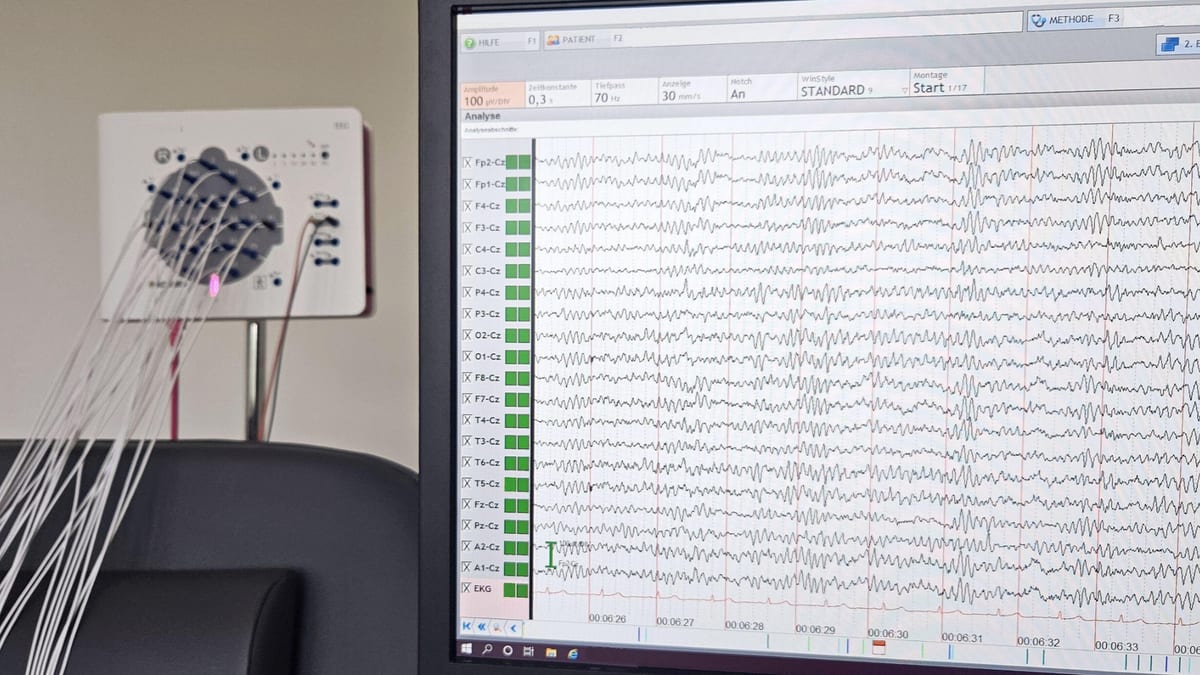
The complaint says Bowen Wan, 31, took her last dose on or about February 10, 2026. The schedule set February 12, 2026 as the day she would be off the drug, and the complaint says that is the day she died. The King County Medical Examiner found she died of sudden unexpected death in epilepsy, and her postmortem blood contained lamotrigine at roughly one-fifth of the lowest concentration generally regarded as therapeutic, according to the complaint.
What Happened?
Bowen Wan voiced concern about the taper at least 158 times. Dr. Nicholas Poolos, a director at the University of Washington Medicine Regional Epilepsy Center, said that he would have judged a taper irrational for a patient with her history. "No, not rational, no way," he said.
OpenAI spokesperson Drew Pusateri called the case an "incredibly heartbreaking situation" but said the model at issue was an older release that the company has since discontinued. GPT-4o, the model Bowen Wan used, was removed from the consumer app on February 13, 2026. Pusateri added that the company's newer models do a better job of spotting situations that could call for urgent attention.
The Other Cases
OpenAI also faces a wrongful death suit filed in May by a Texas couple who allege their son died of a drug overdose after following ChatGPT’s advice.
"If a human doctor had given Bowen this advice, they would be liable for medical malpractice," Matthew P. Bergman, founding attorney of the Social Media Victims Law Center, said in a statement.
Benjamin S. Schenk, a partner at The Schenk Law Firm, said in a statement that the case "asks where generative AI stops and medicine begins, and who answers when a product crosses that line."
Latest News
- ◆PM-KISAN’s 24th Instalment Sends ₹18,690 Crore to 9.34 Crore Farmers
- ◆Heavy Rain Brings Delhi Its Cleanest October Air Day in Four Years
- ◆Reliance Industries Posts Record Quarterly Profit of ₹29,550 Crore on Refining Strength
- ◆Jio Platforms Reports 13.7% Profit Growth in First Results After Listing
- ◆Brent Crude Settles at Six-Month High of $117.64 After Hormuz Tanker Attack