
Justice Sandeep Mehta allegations against Rajasthan’s acting CJ
CJI Surya Kant ensures that the collegium is examining the allegations by Justice Sandeep Mehta against Rajasthan’s acting CJ
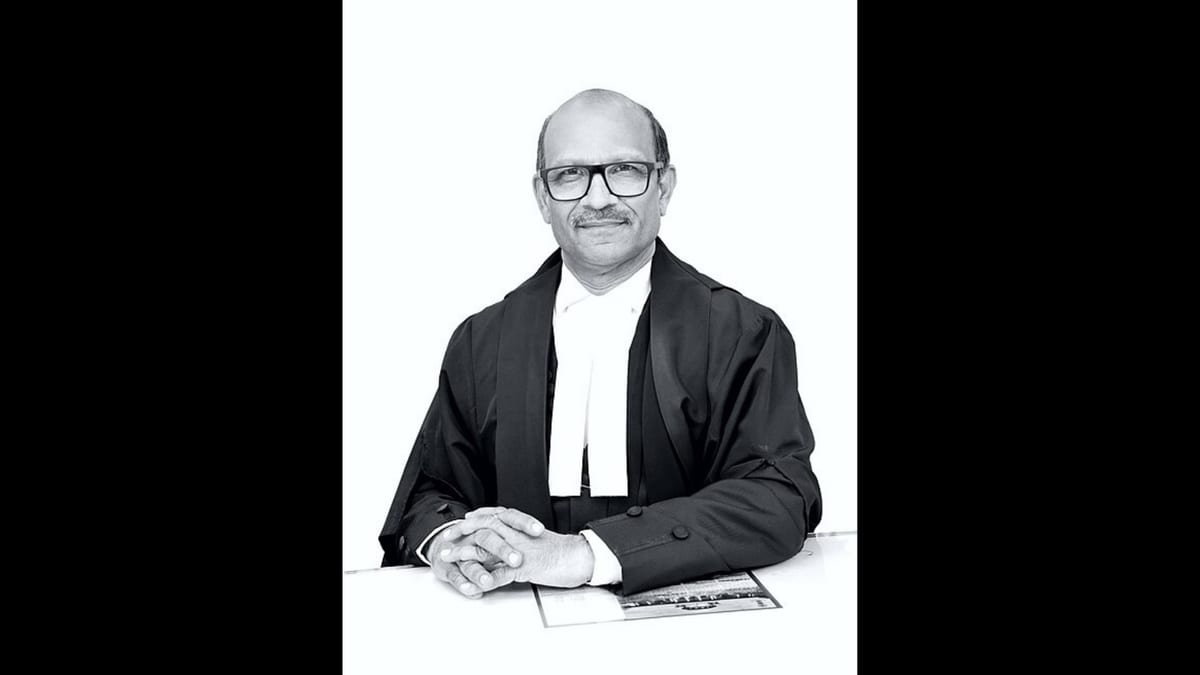
Synopsis
Chief Justice of India Surya Kant has said that the issues raised by Supreme Court judge Justice Sandeep Mehta against Rajasthan High Court Acting Chief Justice Sanjeev Prakash Sharma are currently being looked into by the institution and cannot be discussed publicly.
What did the Letters by Justice Sandeep Mehta say?
The top levels of the Indian judiciary have come under scrutiny after some strong letters written by Supreme Court judge Justice Sandeep Mehta. In a series of letters sent to Chief Justice of India Surya Kant, Justice Mehta expressed serious worries about how the Rajasthan High Court Acting Chief Justice Sanjeev Prakash Sharma was managing his duties.
The letters suggested that Sharma should be replaced immediately and that a new permanent chief justice should be appointed from outside the state. These letters revealed some serious complaints about how the court was running, including unfair case scheduling, controversial land court hearings, and favouritism in local court and tribunal appointments
Allegations of Maladministration
The main issue in Justice Mehta's letters was the claim that the Rajasthan High Court was not following proper administrative rules. The letters mentioned cases where the court's schedule was possibly manipulated to favor certain benches, and there were also complaints from lower court judges and lawyers about decisions being made without consultation.
These problems caused tension between the judges and the legal community in Rajasthan. Local lawyers and senior figures demanded a permanent chief justice to bring back order to the court system. The internal disagreements also showed how difficult it is to manage a high court when it's been led by an acting chief justice for a long time without a permanent leader.
What is CJI Surya Kant’s Response?
In response to the controversy and the leak of private judicial letters to the public, CJI Surya Kant gave an official statement about the Supreme Court Collegium's position. He confirmed that the content of Justice Mehta's letters is being carefully reviewed at the right level. He also warned that unverified complaints should not be treated as proven facts against a sitting judge. Emphasizing the importance of fairness, he said that Justice Sharma needs to have a chance to respond formally before any final decisions or actions like transfers or structural changes are made.
Will the Judiciary be able to maintain its Integrity?
This unusual conflict within the judiciary has brought its internal accountability processes under a lot of public and legal attention. The Supreme Court has its own procedures for handling complaints against judges so that judicial independence is not compromised and the court is not influenced by outside pressures.
By saying that the matter will be checked using established internal processes, the leadership wants to make sure the investigation is not affected by media stories. However, this situation also highlights how challenging it is to keep the court's reputation intact while still being open and transparent about internal problems.
When internal issues within the highest levels of the judiciary come to light through whistleblowing, how can the system manage the need for confidentiality while also ensuring the public has a right to know about the integrity of the judicial system?
Latest News
- ◆Allahabad High Court Quashes Dowry FIR, Cautions Against Criminalising Failed Marriages
- ◆Nifty Snaps Eight-Week Losing Streak as Equities Rebound; 200-Week Average in Focus
- ◆Riyadh Airport Attack Kills 12, Deepens Saudi–Houthi Conflict; Trump Weighs US Role
- ◆Northern Railway Restores 214 Passenger Trains; 30 Still Cancelled After Delhi Protest
- ◆Supreme Court Bars Illegal Detention of Peaceful Protesters, Orders Normal Delhi Transit