
Riyadh Airport Attack Kills 12, Deepens Saudi–Houthi Conflict; Trump Weighs US Role
Saudi authorities reported 309 injured at King Khalid International Airport; the US president said Washington would decide quickly whether to join action against the Houthis
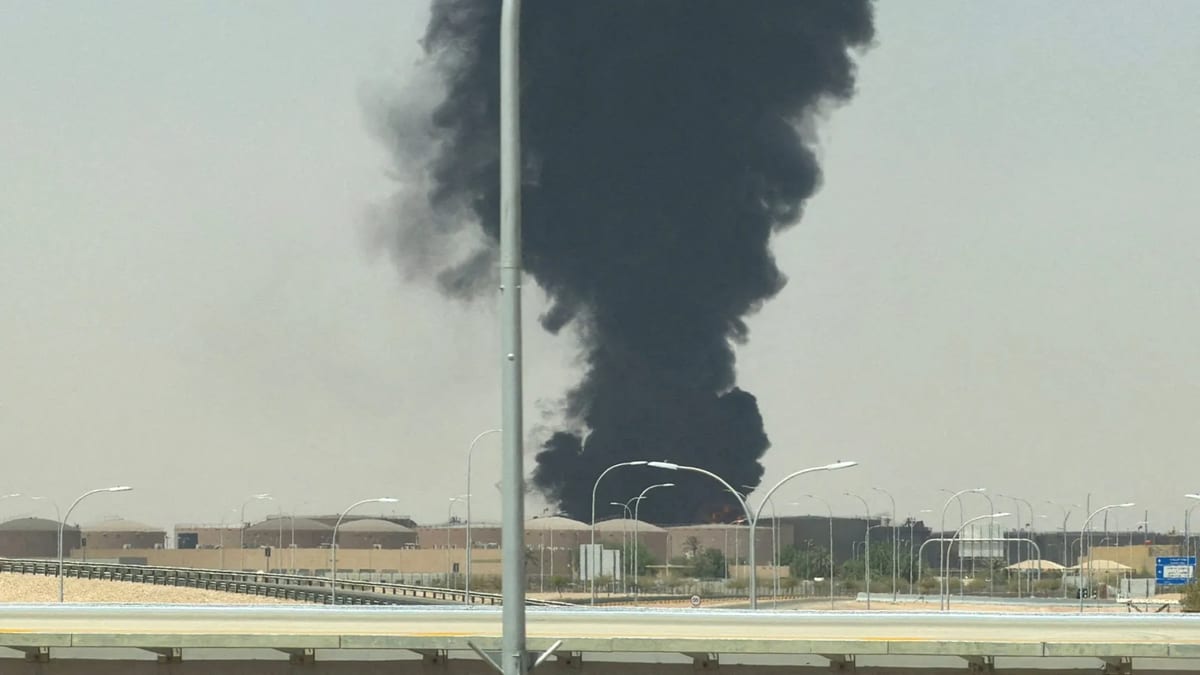
Synopsis
On October 10, Saudi civil aviation authorities say at least 12 people were killed and more than 300 injured in a missile attack on the King Khalid International Airport in Riyadh. Yemen's Houthis were blamed by the kingdom. The attack was the third to take place at the airport this week and the worst in the kingdom since more than 10 years ago, Al Jazeera reported. Washington is considering its options on whether to join Saudi action, U.S. President Donald Trump said. The UN and a number of governments denounced the strike and India declared it to be unacceptable.
At least 12 people were killed and 309 injured in a missile attack on Riyadh's King Khalid International Airport on Saturday, said Saudi civil aviation authorities. The Houthis were blamed by the kingdom and its allies. The airport was attacked about 3 pm local time.
The Death toll
Al Jazeera reports that four Saudis, two Bangladeshis and one person from the United States, Jordan, Palestine, Syria, Sudan and Egypt were among the dead, according to the General Authority of Civil Aviation. It said the strike was "the third of the week on the airport and the most deadly in the kingdom in over ten years.
According to Al Jazeera's earlier report, the Houthis had "shut down" the airport, in a report via the Houthis' media outlet. The Saudi-led coalition dubbed the attack a war crime.
How the week unfolded
On Thursday, the Houthis had said they had been hit by a ballistic missile at the airport. The same report states that three civilians were killed and 36 others were injured earlier in the week by the Houthis' attack on Abha airport and King Khalid airport. AFP reports that the previous rate was four. It refers to a series of strikes on Saudi airports, oil installations and oil tankers since a ceasefire deal to the Yemen conflict was broken in July.
Other airlines that were among those that halted flights to Saudi before the current strike were AP quoted as saying to be Air India, flydubai, Lufthansa Group and Pakistan International Airlines.
Washington’s response
Mr Trump called the attack “terrible”, reported that he had been in discussions with Crown Prince Mohammed bin Salman, the de facto leader of the kingdom, and that he was considering joining in with the Americans.
Secretary of State Marco Rubio declared that an American was among the dead, and he voiced condolences to the kingdom. The fighting has flared again in the wake of the ongoing skirmish between Washington and Tehran, and Houthi rebels have targeted Saudi energy assets and forced their way into land areas that provide them with leverage over trade on the Red Sea.
Global reaction
The UN Secretary General, António Guterres, was "shocked" and said attacks on civilian infrastructure are against international law. Hans Grundberg, head of the U.N. mission, said the strikes were "a serious escalation which makes the peace process more complicated".
The attack was condemned by Qatar, Egypt, Jordan, Pakistan and Canada, with Oman calling for restraint to prevent the escalation of the conflict. Al Jazeera's round-up noted India's Ministry of External Affairs dubbed the strike dastardly and added that attacks on civilians should be stopped now.
What to watch
Now there are three questions that come to mind. The first is whether or not Washington officially enters into Saudi operations. The second is the effect of the coalition's pledge will give the war between the Houthis and the internationally recognised government in Sanaa.
The third is to see if airlines resume flights to the Saudi airports again. The regional diplomacy continues as Oman called for restraint.
Latest News
- ◆Allahabad High Court Quashes Dowry FIR, Cautions Against Criminalising Failed Marriages
- ◆Nifty Snaps Eight-Week Losing Streak as Equities Rebound; 200-Week Average in Focus
- ◆Riyadh Airport Attack Kills 12, Deepens Saudi–Houthi Conflict; Trump Weighs US Role
- ◆Northern Railway Restores 214 Passenger Trains; 30 Still Cancelled After Delhi Protest
- ◆Supreme Court Bars Illegal Detention of Peaceful Protesters, Orders Normal Delhi Transit