
Ladakh's Autonomy Demand Splits Two Constitutional Paths
Centre weighs a Nagaland-style Article 371(K) for Ladakh, even as local groups continue pressing for Sixth Schedule tribal protections
Synopsis
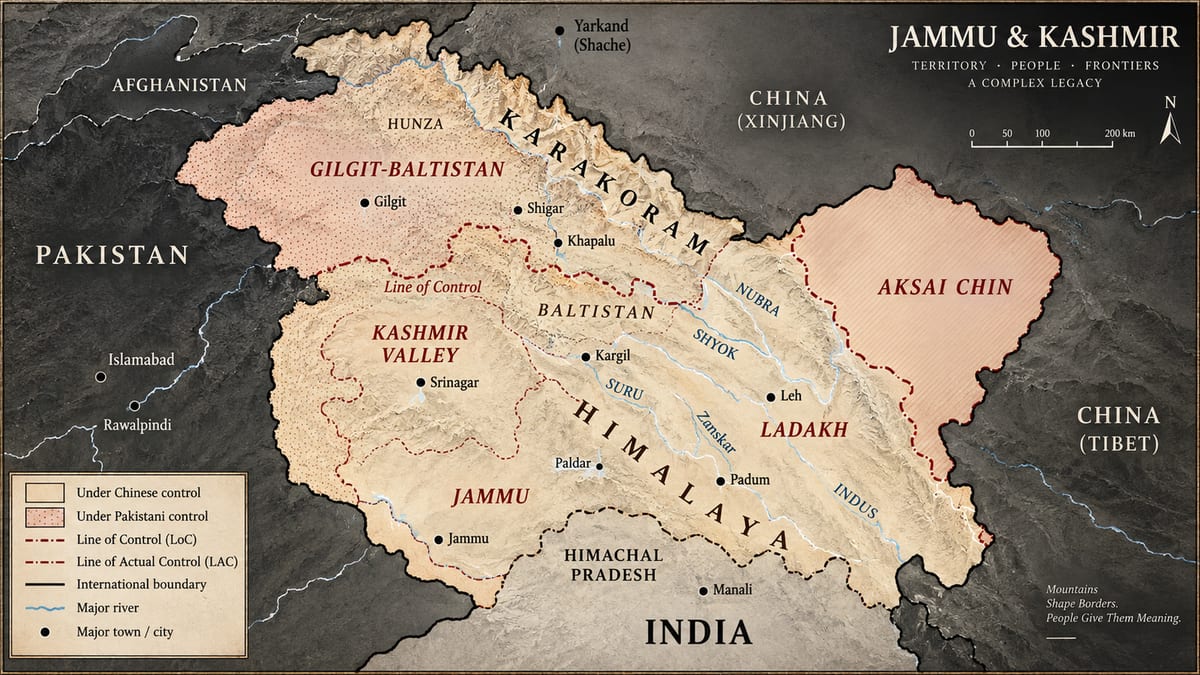
The Union Home Ministry is mulling over a new Article 371(K) to ensure Ladakh is placed under Sixth Schedule of the Constitution with an elected body, which will have autonomy over land, culture and resources, rather than under the Sixth Schedule, it is reported. The division has been the subject of a long controversy between Ladakhi civil organisations and the Centre after the reorganisation of the region in 2019.
They have two different constitutional instruments
Article 371 is a cluster of special constitutional clauses that provide special protections (up to this day, from Art 371 to Art 371J) for specific states and regions. It is intended to provide for the representation of religious and social groups and to accord autonomy to religious affairs.
The Sixth Schedule, on the other hand, is applicable to the administration of tribal areas in Assam, Meghalaya, Tripura and Mizoram and provides for the establishment of Autonomous District and Regional Councils with legislative powers in relation to the management of forests, agriculture, inheritance etc. and in matters of village administration.
Why Ladakh Wants In
Following the repeal of Article 370 in August 2019, Ladakh is trending as an Union Territory without legislature and calls for constitutional protection. Various groups, such as the Leh Apex Body and Kargil Democratic Alliance, have since demanded that the region be brought under the Sixth Schedule, but the government has not been willing to extend this status to the region.
The Centre's Counter-Proposal
The Centre, on the other hand, is now said to be thinking of enacting Article 371(K) which will provide for a legislative, executive and financial authority in the form of an elected body at the Union Territory level.
This body can have increased powers on land, culture, language, forestry, environment and natural resources. While a detailed draft is not yet available, the draft model that the Ministry of Home Affairs is proposing is aligned with an "in-principle understanding" reached during discussions in May and July 2026.
A draft understanding, which has been tracked by policy officials, has been labeled "sui generis" by them, a term different from Article 371 clauses and Sixth Schedule councils.
The boundaries of Article 371
Importantly, an Article 371-style article would not have the same effect on the Sixth Schedule powers. Such a provision does not automatically mean that Ladakh will become a state and have the powers of state government as granted to Sixth Schedule councils, rather, it may be granted to the Sixth Schedule councils without granting such powers to the councils of Ladakh.
Ladakh groups might still find themselves in a situation similar to that in existing Sixth Schedule areas like Meghalaya, where state governments and Autonomous District Councils are not allowed to declare exemption from the central government's laws.
The general precedents of the Northern Regions
The Sixth Schedule was constitutionally drafted to ensure autonomy of tribal communities over the government while Article 371-type clauses like 371A for Nagaland set up a balance between the government and the Union. The structural difference between sub state and state-Union balance is key to the Ladakhi groups' dissatisfaction with Sixth Schedule status as providing greater protection than a 371-style clause.
Why It Matters
The decision between these two constitutional options will determine whether the people of Ladakh have more or less autonomy over land and resources in an ecologically critical, geopolitically important border area. With no finalised draft yet public, the tussle between local demand and central design continues.