
Mansukh Mandaviya to Bring Formula 1 Back to India
India’s New Task Force is Steering Formula One’s Historic Return
Synopsis
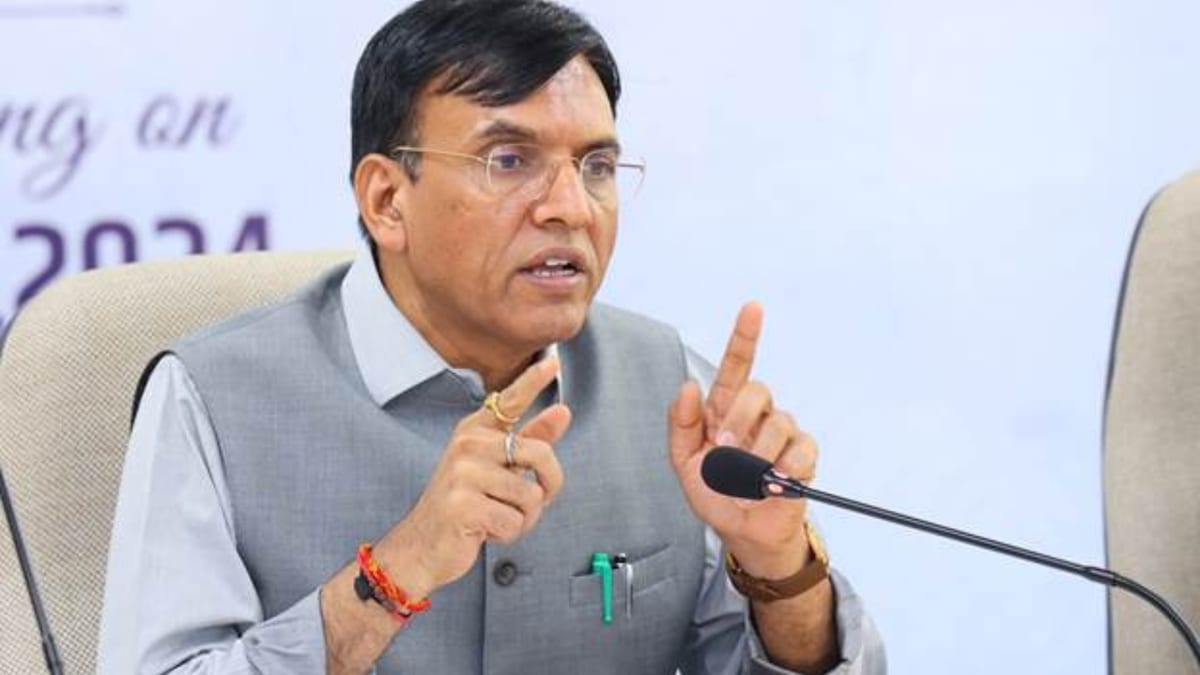
Union Minister Mansukh Mandaviya to revive and develop Indian motorsports with a structural layout of the newly formed 10-member task force, chaired by NITI Aayog's Yugal Kishore Joshi, which unites key sports officials, central ministries, tax authorities, and state representatives to evaluate and dismantle the roadblocks facing a Formula 1 return by 2028.
What is the new roadmap for India's F1 return?
The roar of engines that has been missing in India since 2013 is finally making its return, as on September 15, 2026, Union Minister Mansukh Mandaviya officially set the wheels in motion in an effort to bring back Formula One to India and to revive and develop motorsports in the country.
Another step has been taken to form a 10-member task force, which is chaired by Yugal Kishore Joshi (Programme Director and Advisor at NITI Aayog). The members include the Sports Ministry representative; Secretary General of the Federation of Motor Sports Clubs of India (FMSCI); Joint Secretary, Department of Commerce; Joint Secretary, Ministry of Tourism; Revenue and Taxation Board Representatives; Uttar Pradesh State and Maharashtra State representatives; representatives from Buddh International Circuit and Madras International Circuit, Technical Expert nominated by FMSCI.
“It will also carry out a detailed assessment of challenges that would come in the way of reviving motorsports and identify policy interventions that would be needed for this”, Sports Minister Mansukh Mandaviya said on Tuesday in a media interaction.
How Will the Committee Fix Past Tax Roadblocks?
When F1 left India after 2013, the primary reason was a dispute over tax exemptions, and at the time the government classified F1 as “entertainment” rather than a “sport”, which triggered several customs duties on cars, equipment and unexpected local tax liabilities, making the race financially unviable.
But the goal now is to streamline customs clearances for bringing millions of dollars of elite racing equipment into the country and resolving the entertainment-vs-sport tax classification so organisers are protected from erratic tax liabilities.
The Task Force will be actively evaluating a Public-Private Partnership (PPP) to ensure the financial burden does not fall entirely on private promoters, by involving the central government and corporate sector, including owners like Adani Group, to make the race commercially viable.
What Long-Term Benefits Will This Bring to India?
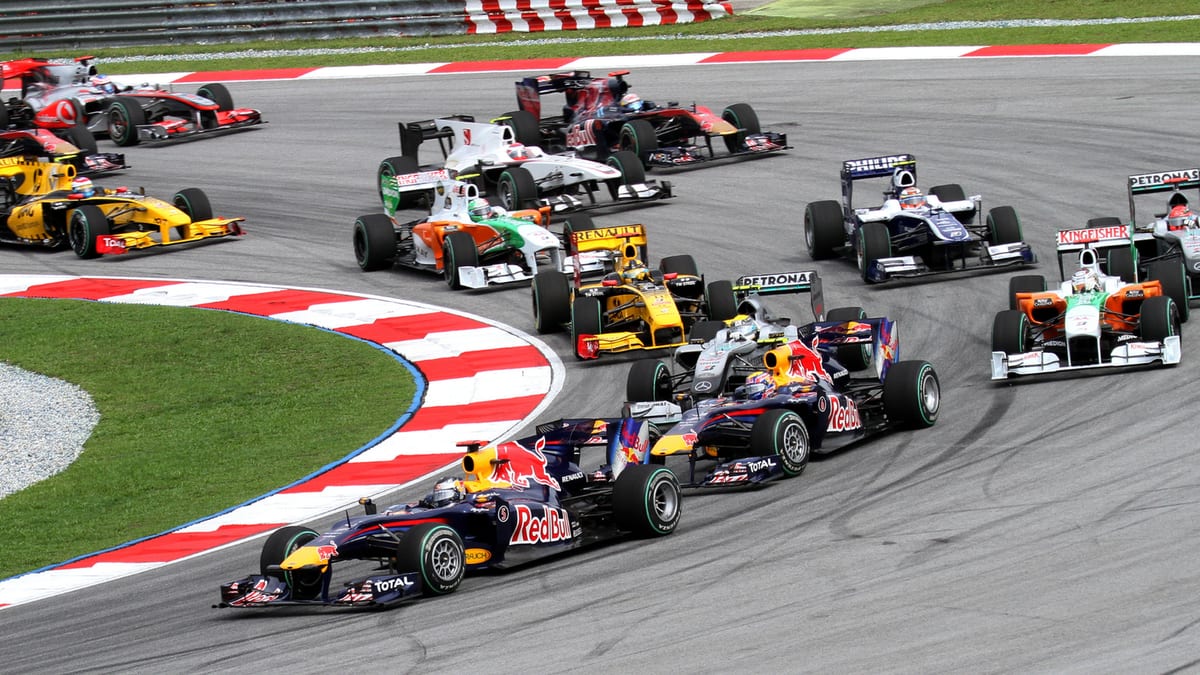
Bringing back Formula One will drive massive global investments, international tourism, hospitality upgrades and global broadcasting eyes on India. It will also capture the audience of nearly 98 million motorsport enthusiasts waiting for a home race.
The plan does not stop with just a single F1 race weekend; by collaborating directly with the Federation of Motor Sports Clubs of India (FMSCI), it might also lead to a holistic roadmap to support homegrown engineering talent, racing academies and spread motorsport throughout the country.
India is no longer just dreaming of hosting elite global sports; it is actively rewriting the rulebook to make sure the green flag drops securely in 2028.
Latest News
- ◆The UPI Dilemma: What the New 0.4% MDR Means for Merchants and Digital Payments
- ◆India Protests After Pakistani Navy Ship Collides at Sea
- ◆New Delhi Opens SEMICON India 2026 Meet
- ◆India Warns US Over 100% Tariffs Over Russian Oil Purchase
- ◆Govt Confirms UPI Fee on Big Merchant Payments; Payments upto ₹2,000 Free