
Monaco GP 2026 Rule Changes Explained:
How FIA Turned Monaco into a Pure Handling battle.
Synopsis
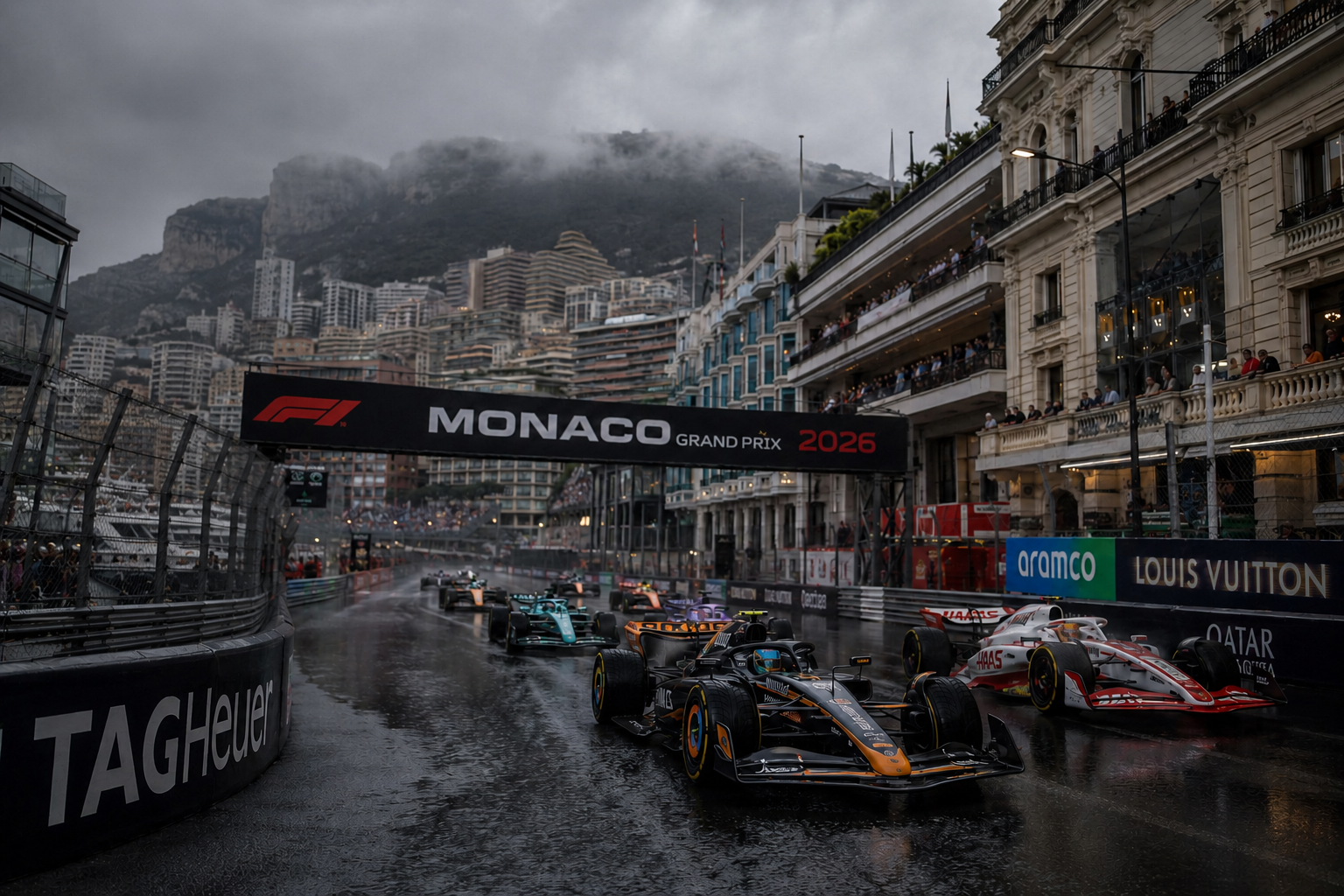
The FIA has made some major changes regarding Monaco grand prix by effectively removing ‘straight-line mode’. While the track remains unchanged, the way cars interact with it has significantly altered, the sport is trading raw top speed for a gruelling test of mechanical handling. Driven by the immense torque of the 2026 power units, battle moves away from the engine and back into the driver's hands, where battery deployment and aerodynamic constraints turn this iconic race into pure handling battle where the car, not the clock is the final enemy.
Major Technical and Sporting Rule Changes
Removal of "Straight zone" with active aerodynamic wings introduced this year, cars usually have a low-downforce for higher top speed on straights. FIA has completely disabled this in Monaco to prevent dangerous closing speeds and poor cornering, due to the tight layout's tight and winding nature. FIA require these zones to last for more than three seconds and occur where cars are not operating at the limit of tyre grip or dealing with severe braking/traction. Three second rule in FIA regulations state that a "straight mode" zone must last for at least three consecutive seconds. Monaco's straights are either too short or too curved to meet this requirement.
Safety and stability with no run offs areas allowing cars to hit even higher top speeds was deemed too risky. Additionally shifting wing modes in heavy braking or traction zones could make the car unstable. This policy turned Monaco into a pure handling competition the race is no longer about speed but technically harder to drive on the limit.
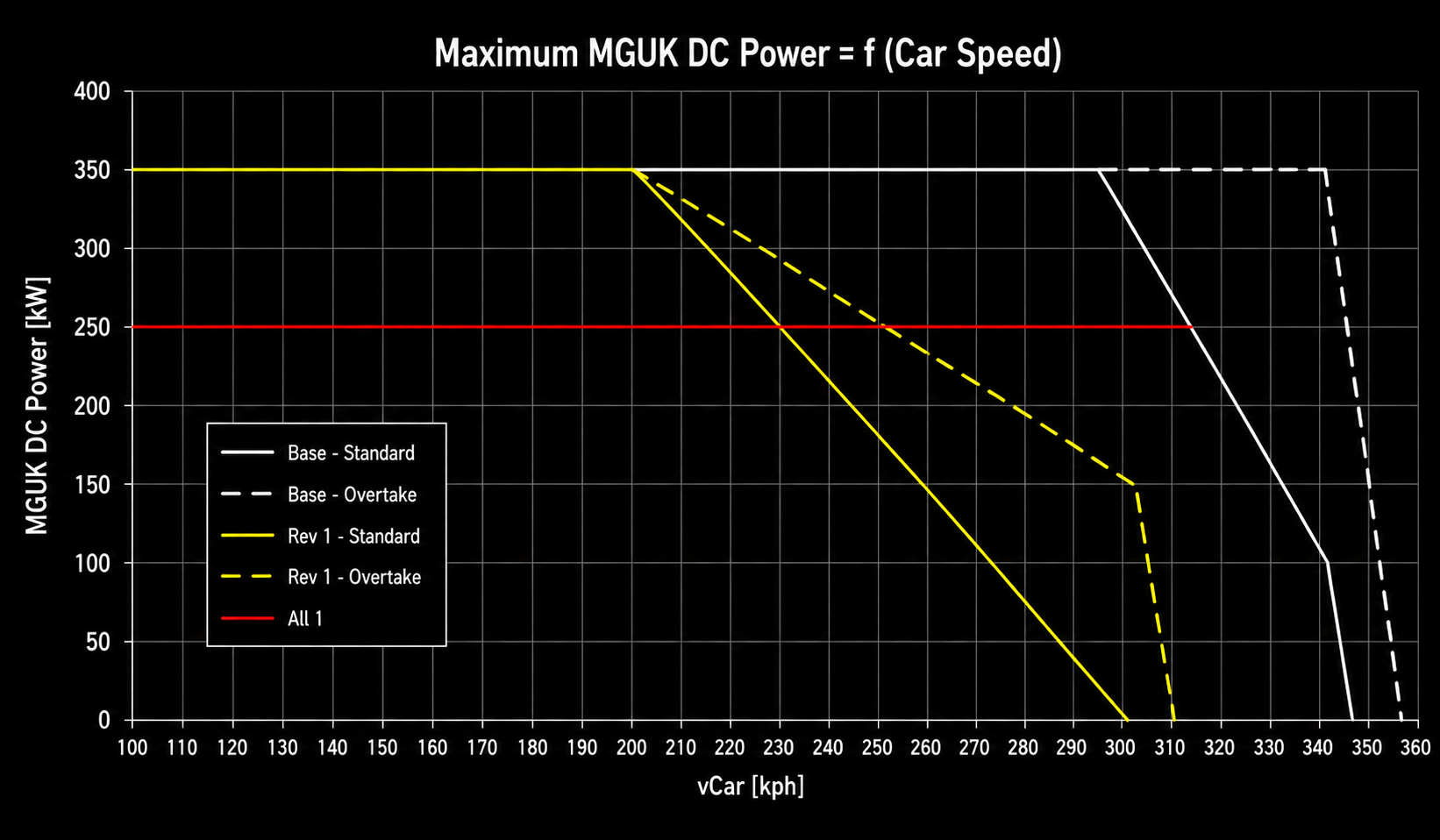
Limited Energy Recovery System (ERS) batter power, the deployment of electrical battery power has been limited to much lower threshold. Instead of cutting power at 290km/h, it will cut out at 200km/h to keep top speeds down around 270-280km/h. By the time car reaches 300km/h it will have zero electrical assistance, effectively preventing cars from entering Turn 1 (Sainte Devote) or the chicane at dangerous speeds.
Closing the Loophole: The New 130°C 'Hot Test' for Compression Ratios
Hotter compression ratio tests, this regulation of testing engine compression ratio a hotter temperature has been introduced, debuting for the first time at this event. It was designed to check and close a loophole where engines achieved the legal compression limit when tested cold, but exceeded when running at high operating temperatures. Under 2026 engine regulations the maximum engine cylinder compression ratio was capped at 16:1, down from the previous 18:1.
The ratio would safely measure at the legal 16:1 during static, but spiked around 18:1 in racing conditions, unlocking an estimated 10 to 15 horsepower advantage. To enforce the rules properly, FIA mandated that beginning June 1 all engines must be monitored in both hot and cold conditions. The new "Hot test" checks that the compression ratio does not exceed the legal limit at an operating oil temperature of 130 Celsius. Moving forward into the 2027 season, this will evolve into "hot only" test.
The 2026 cars are designed to be "more nimble" to help with racing at tight tracks like Monaco. Light weighted to be more agile in the Fairmont hairpin and swimming pool sections, new power units, the engine now run on 100% sustainable fuel and feature a massive increase in electrical power (from 120kW to 350kW). Sporting rule changes like removal of two-stop rule, this experimental mandatory two-pit strategy that was trailed during the 2025 Monaco GP has been removed for 2026.
Battery Management and Override System
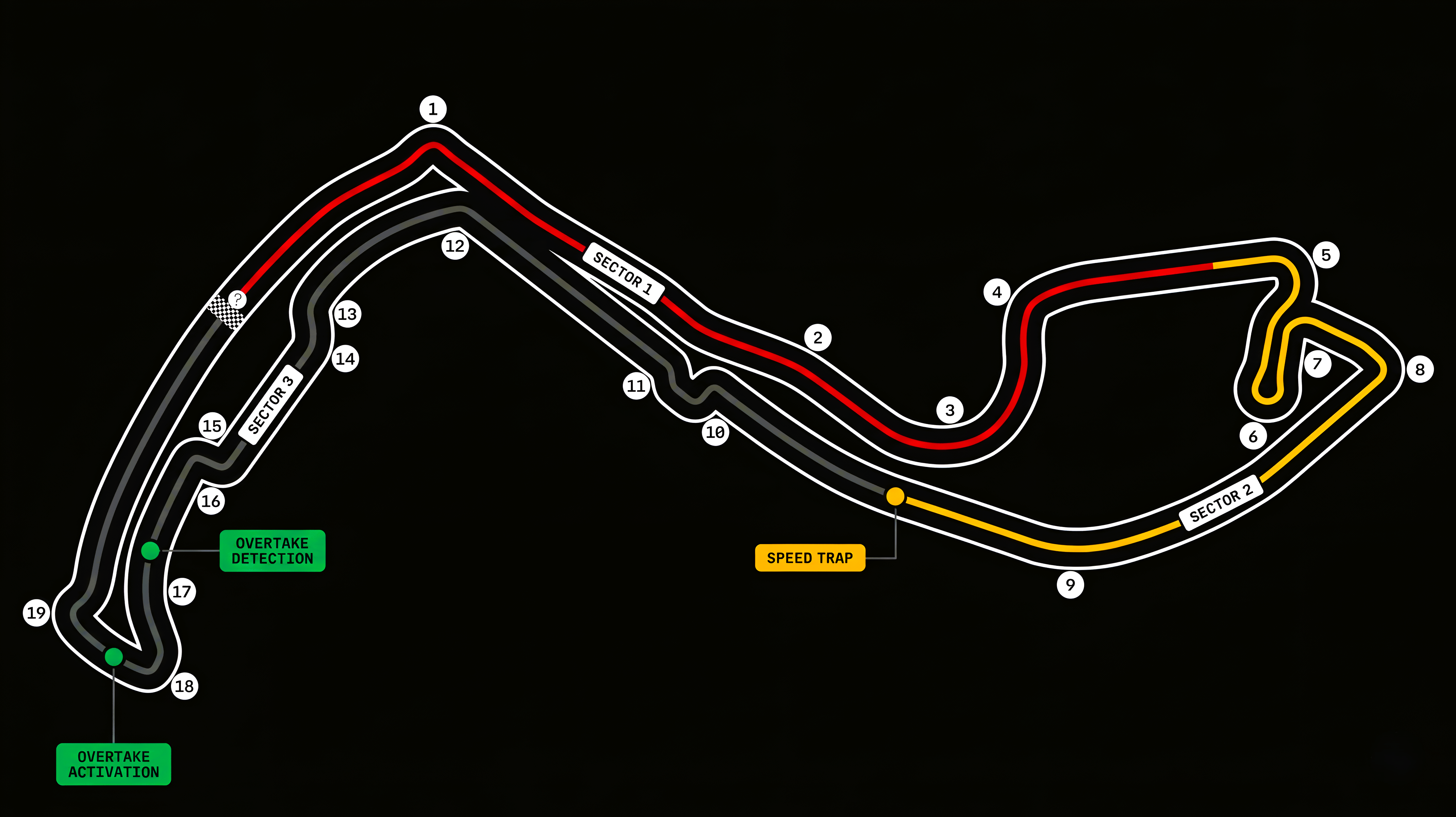
From energy scarcity to energy abundance on typical 2026 tracks like Monza or Spa drivers struggle to keep their batteries charged because long straights drain the 350kW MGU-K quickly. Monaco is the opposite, it needs constant harvesting with 19 corners and heavy breaking zones like Sainte Devote and Nouvelle Chicane, the MGU-k is almost constantly in "generator mode".
The straights are so short that the battery never has time to fully drain. Drivers will likely start almost every lap with 100% full battery, making traditional energy saving tactics like lifting of throttle early largely unnecessary for the first time this season. The cars recover so much energy here, there was a safety concern that they would arrive at corners too fast, to prevent this FIA has mandated to specific engine map for Monaco called "REV 1". Early tapering with electrical boosts which stays at 100% until 290km/h, in Monaco it beings to taper off at just 200km/h. By the time car hits 300km/h the battery deployment drops to zero, this effectively governs the car's top speed using software rather than physical track changes.
Manual override is available, if the driver is within one second of the car ahead at the detection point before La Rascasse, they gain access to extra electrical power. While the car's battery cuts up to 300km/h, driver using manual override can keep deploying 150kW up to 300km/h and doesn't hit the "zero power" mark until 310km/h, because energy is so easy to recover at Monaco the attacking driver doesn't have to about saving up battery charge, they can use the override boost every single lap if they stay within the one-second window.
The cars use the MGU-K to provide significant braking torque to recharge the battery, this means drivers will rely less on the physical carbon break discs and more on the electrical recovery system to slow the car down, also the battery is harvesting so aggressively at the rear axle, teams have had to fine-tune "brake-by-wire" settings to ensure the car doesn't become unstable when turning into tight hairpins.
Physics vs Performance: Navigating Monte Carlo in Z-mode
FIA banned X-mode (low drag) for this race, the cars are locked in Z-mode (high downforce), combined with the massive "Monaco-spec" rear wings, the cars have enormous aerodynamics drag. On the pit straight and through the tunnel, it feels like the car is pulling a parachute. The 2026 power deliver nearly 500 horsepower of instant electrical torque on the bumpy, low-grip street surface of Monaco this makes the cars incredibly "twitchy", drivers are struggling to apply power without spinning the rear wheels.
The "Rev 1" engine means that when the car starts to gain momentum, the engine feels like it "hits a wall". This makes the sensation of speed feel inconsistent compared to a traditional engine. Despite the regulations introducing smaller cars, the physical weight and limited top-end acceleration make them more physically demanding for drivers to manoeuvre through Monte Carlo's tightest sections.
Normally, the 2026 car would shed drag on a straight by flattening the wings. In Monaco the wings stay open (high downforce) at all times, this means the car is physically pushed into the ground with immense force even at lower speeds. The big front wing is needed to get the car to rotate into the Hairpin, however because the car is shorter this year the "Big Wing" setup makes the rear end very "pointy". Drivers are finding that the car is almost too eager to turn, leading to many rear end touches on the barriers.
The big wings block a lot of the airflow to the rear of the car, since the battery gets much hotter due to the increased 350kW discharge, teams are having to run maximum cooling "louvers" on the sidepods which further increases drag. Monaco's total lack of run-off areas and notoriously close barriers, preventing cars from achieving excessive terminal speeds and sudden aerodynamic shifts significantly lowers the risk of catastrophic accidents in areas like tunnel. Moreover, the cars aren't burning through their battery capacity at blistering speeds on short straights, teams.
Why Monaco’s Rules Favour Ferrari Over Mercedes
Monaco is slow or medium-speed corners with heavy emphasis on mechanical grip, chassis balance, rotation and traction out on the tight turns. Ferrari's 2026 car is regarded as one of the strongest in slow-corner performance and mechanical grip, removing straight mode neutralizes straight-line efficiency and top-speed advantages, playing perfectly into Ferrari's strengths.
Mercedes is seen at a disadvantage here, their strength in overall aero efficiency, energy management and straight mode deployment get heavily neutralized on pure downforce and mechanical grip. Teams strong in high-speed efficiency or active aero optimization lose a key edge. McLaren is often mentioned as a strong contender too, but Ferrari gets singled out more for the "perfect fit".
Latest News
- ◆NSE's $2.3 Billion IPO Draws Over $10 Billion In Bids
- ◆India-New Zealand Free Trade Pact To Take Effect October 20
- ◆Tata Group Governance Feud Deepens Over Chandrasekaran's Term
- ◆India Reaffirms Push For Constructive Ties With Bangladesh
- ◆Teen Gang-Raped Near Delhi Temple, One Suspect Held In Encounter