
Morgan Stanley Sees SpaceX Hitting $3.4 Trillion by 2040
The Wall Street bank's bullish IPO-roadshow forecast bets heavily on artificial intelligence transforming SpaceX from a rocket company into a global AI and compute powerhouse
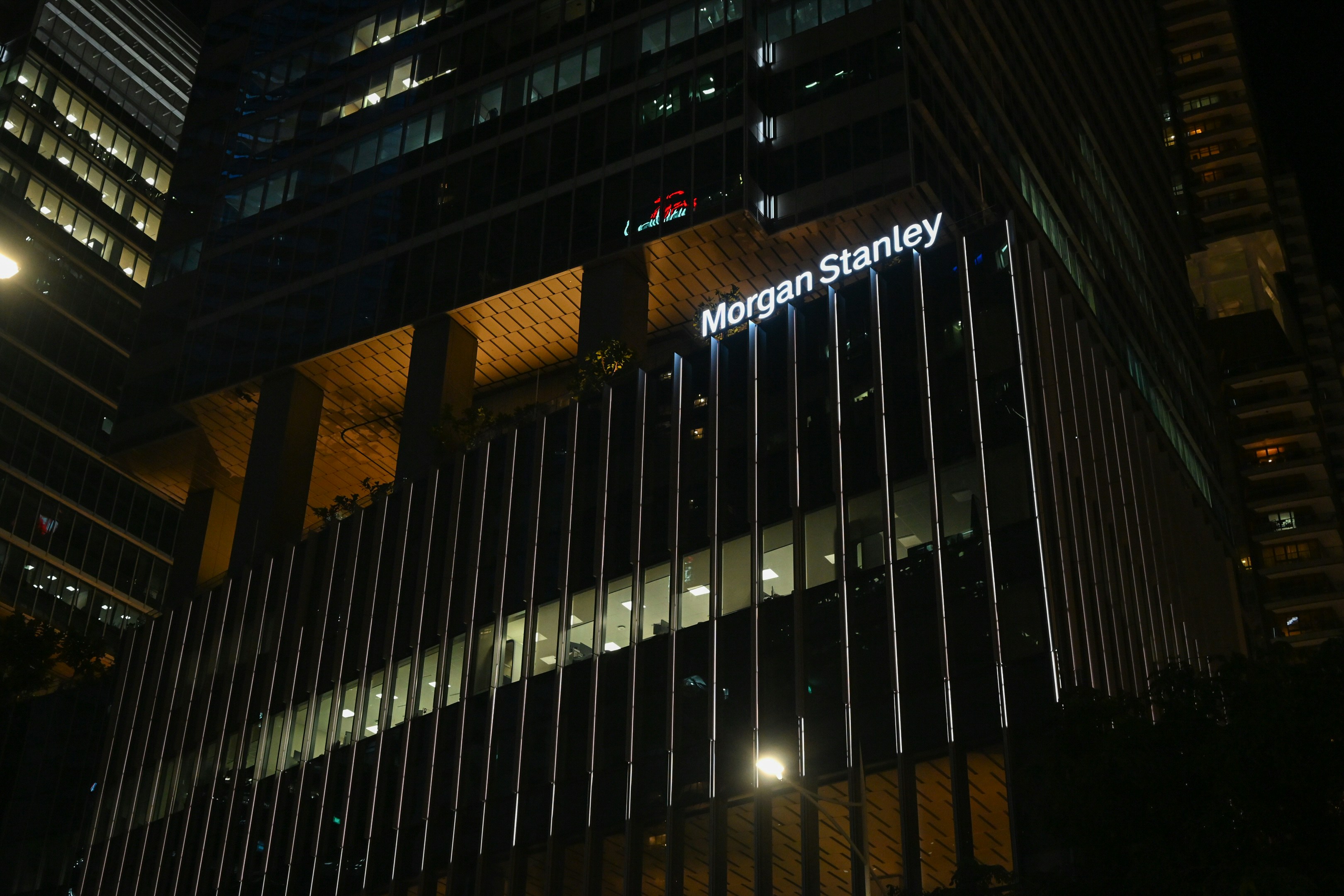
One figure from the presentations to investors captured more attention than any other on Elon Musk's SpaceX as it stepped into the roadshows of its record-breaking initial public offering this week: $3.4 trillion. The Wall Street Journal reported on Friday that Morgan Stanley expects SpaceX revenues to grow to that figure by 2040, based on sources of knowledge.
The Forecast in Detail
The rocket company's adjusted earnings before interest, taxes, depreciation and amortisation (EBITDA) in 2040 could exceed $2.7 trillion, Morgan Stanley said in a note to investors.
The numbers were reportedly provided to certain investors on June 4, 2026, and SpaceX has been in a roadshow mode, which analysts believe is the largest IPO in history.
One financial outlet reported that by 2040, SpaceX would have a market value exceeding that of the current GDP of the United Kingdom, assuming the company's revenues would increase by approximately 180-fold over the next 15 years, based on Morgan Stanley's prediction.
The Growth is expected to come from where?
All told, SpaceX's AI business will generate roughly $190 billion in revenue by 2030, according to Morgan Stanley, and the company will bring in nearly $330 billion in revenue that year.
That is a huge leap, as SpaceX said it has only generated $3.2 billion in revenue so far in its fledgling AI arm in 2025.
One analysis, per Morgan Stanley's bull scenario, by 2040, AI turns out to be SpaceX's biggest revenue contributor, beating rockets and Starlink, and the launch & satellite business becomes a supporting service to a global AI & compute platform in orbit.
Morgan Stanley's bull thesis focuses on three areas: Starlink's satellite internet network, the Starship heavy-lift rocket programme, and AI-related businesses.
A Rival Bank's View
Morgan Stanley isn't the only firm doing the big number crunching. Goldman Sachs, meanwhile, is one of the lead underwriters on the transaction and separately told investors that its AI business would generate $322 billion in revenue by 2030, according to the Financial Times.
But for 2028, both Morgan Stanley and Goldman Sachs offer fairly similar projections: SpaceX will generate some $160 billion in revenue, roughly eight and a half times its 2025 level.
Current Financial Reality
The long-term projections are at odds with SpaceX's current financials. SpaceX revenue was up to $18.67 billion in 2025 from $14.02 billion the year before, but the firm posted a net loss of $4.94 billion compared to a profit of $791 million a year ago.
The IPO Context
The projections are part of SpaceX's roadshow ahead of its IPO, which is expected to value the company at approximately $1.77 trillion, and in which the company is counting on raising about $75 billion from the public markets through the listing, with the company to be sold under the ticker SPCX on Nasdaq.
Morgan Stanley and Goldman Sachs are the two principal underwriters on the deal, which sees 21 banks working together.
There was some hesitation about the numbers, as a Reuters report, which was picked up by several news sources, said it could not independently confirm the report and a Morgan Stanley spokesperson wouldn't comment.
Why It Matters
A fraction of these predictions will come true, and SpaceX's transformation will be one of the biggest corporate reinventions in the history of mankind — from a rocket launch company to a vertically integrated AI and space infrastructure one.
A difference between $18.7 billion today and a projected $3.4 trillion tomorrow is likely to be the focus of debate for investors considering the biggest IPO ever attempted in the months ahead.
Latest News
- ◆NSE's $2.3 Billion IPO Draws Over $10 Billion In Bids
- ◆India-New Zealand Free Trade Pact To Take Effect October 20
- ◆Tata Group Governance Feud Deepens Over Chandrasekaran's Term
- ◆India Reaffirms Push For Constructive Ties With Bangladesh
- ◆Teen Gang-Raped Near Delhi Temple, One Suspect Held In Encounter