
Protesters Breach Barricades, Reach Parliament Gates
Delhi Police scrambled to reinforce security as thousands of Chalo Sansad marchers surged past barricades toward Parliament House on Monday
Synopsis
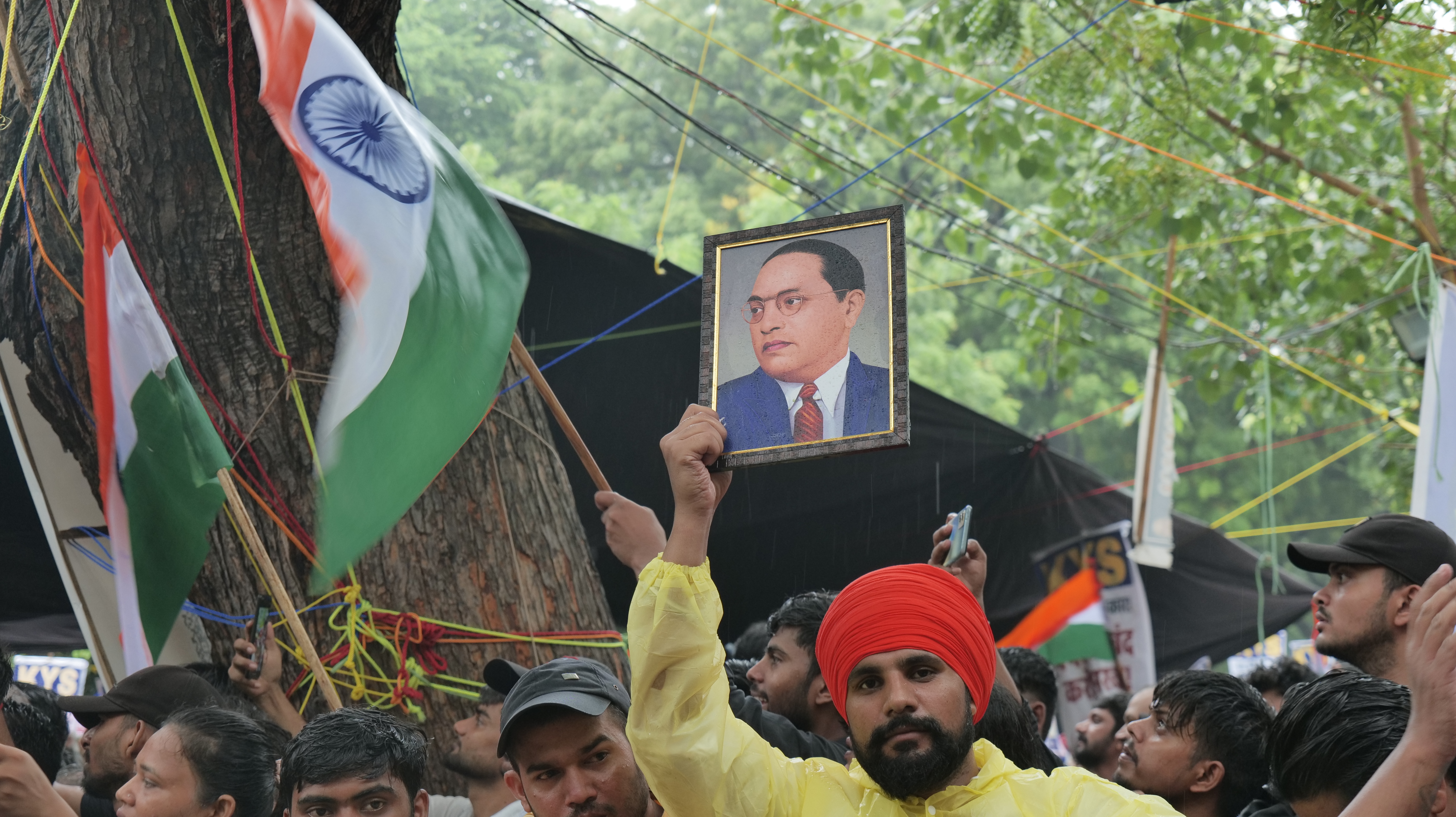
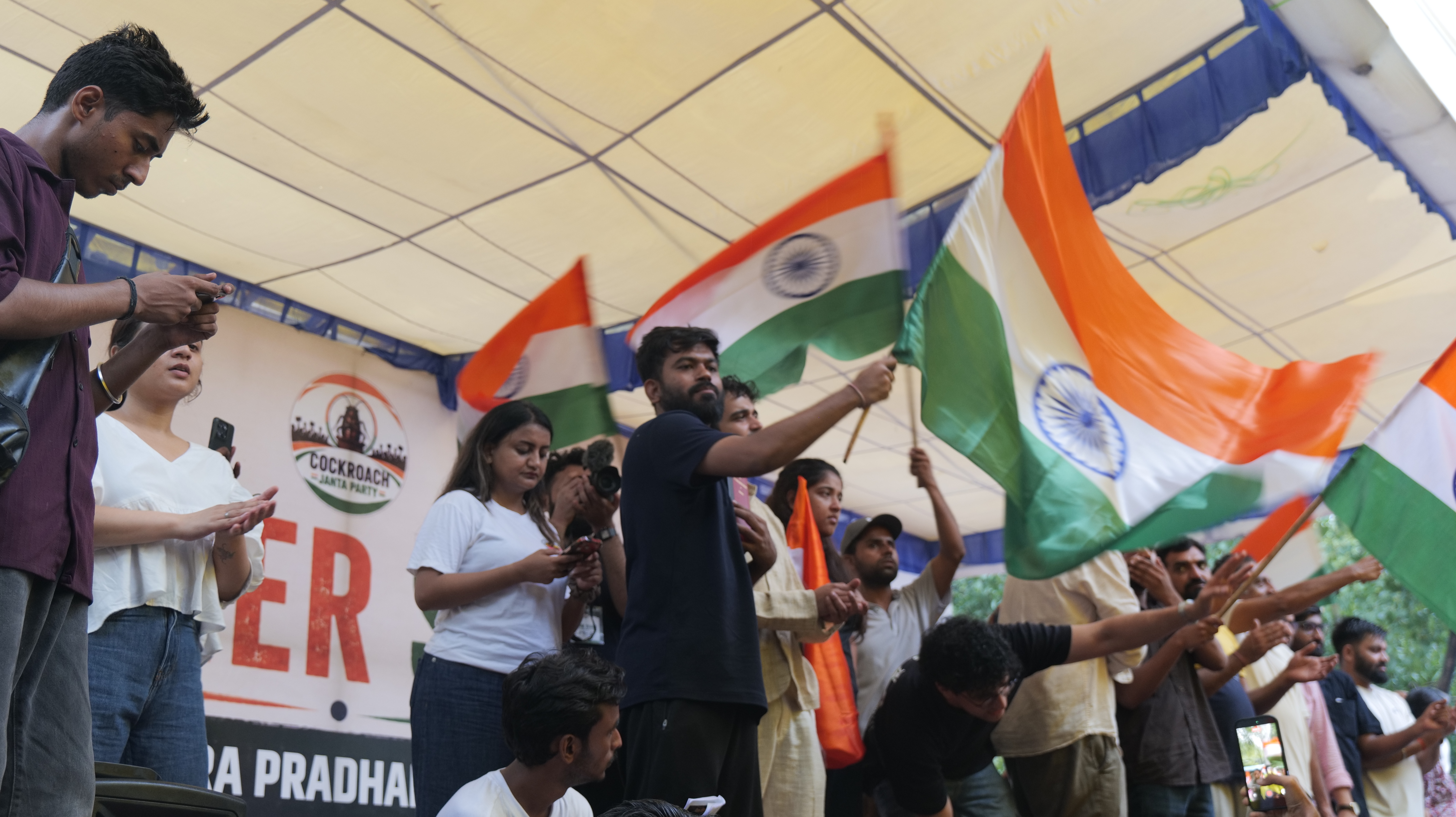
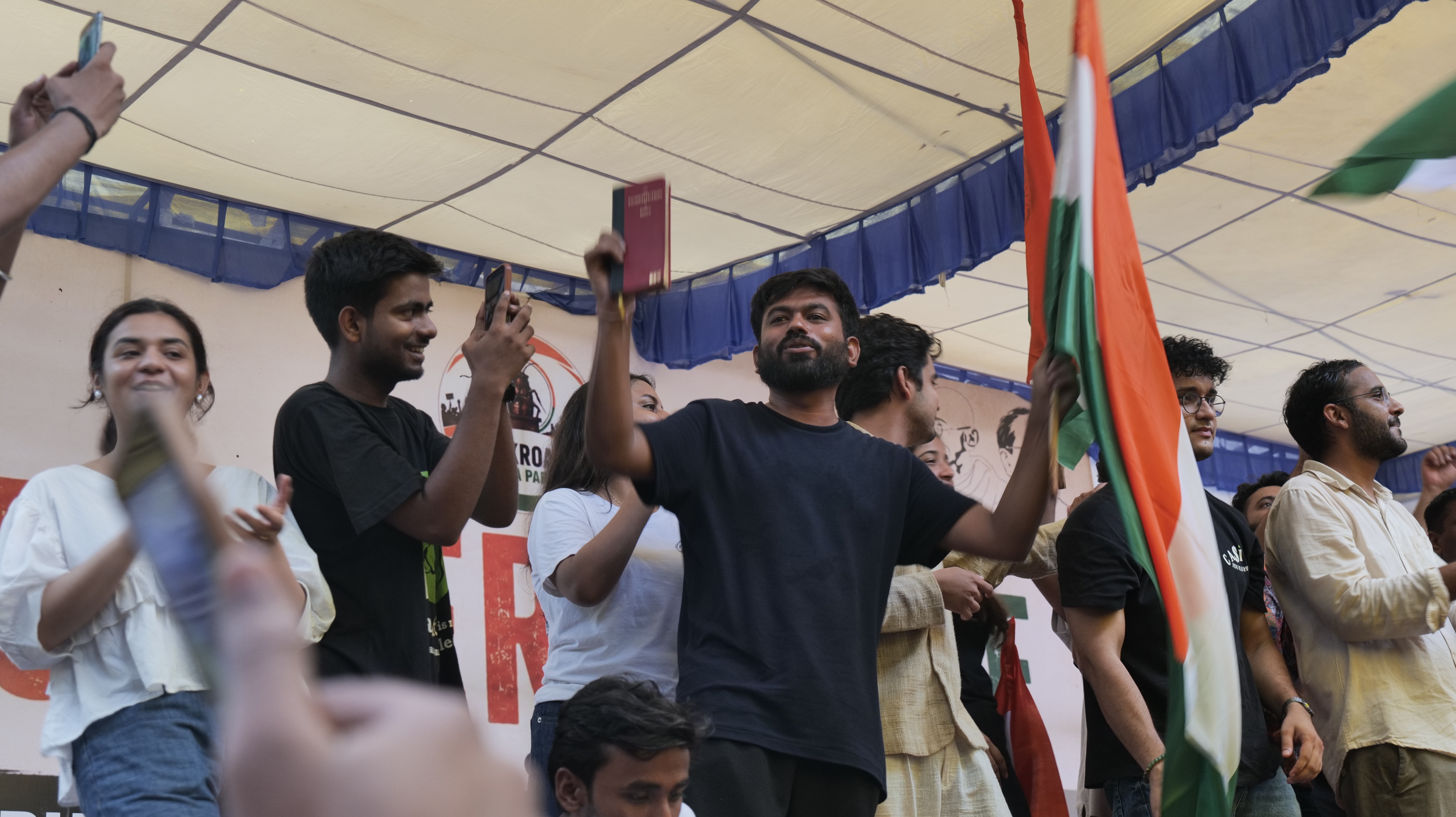
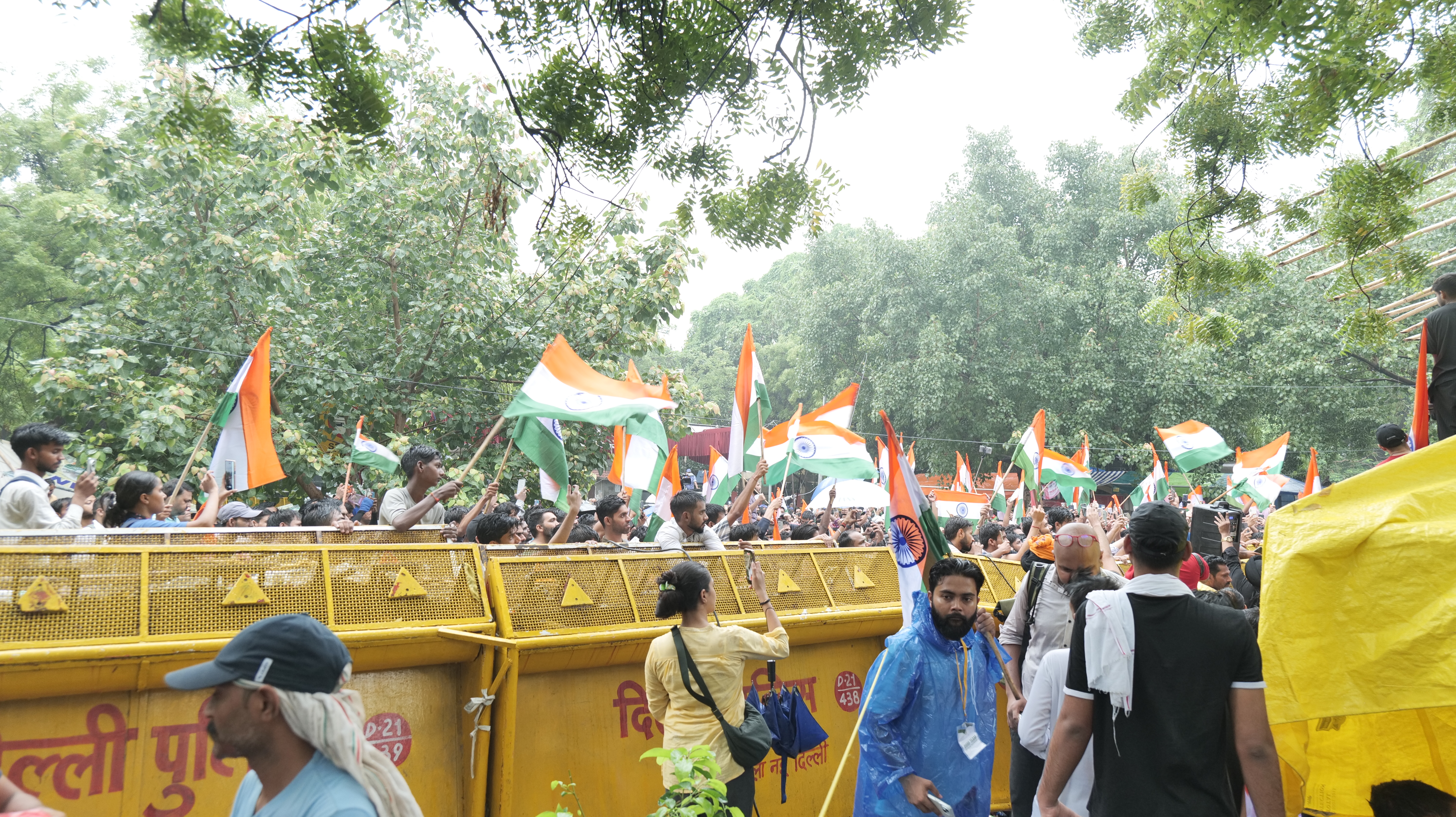
On July 20, thousands of people who were participating in the march organized by the Cockroach Janta Party, reached within the premises of Parliament House after breaking through several layers of police barricades, and the security personnel were rushed to the spot in their thousands. But the size of the gathering, which the authorities had underestimated, resulted in “chaotic” scenes of tear gas and baton charges and a hurried regrouping near Sansad Marg.
A Surge, That Outpaced The Barricades
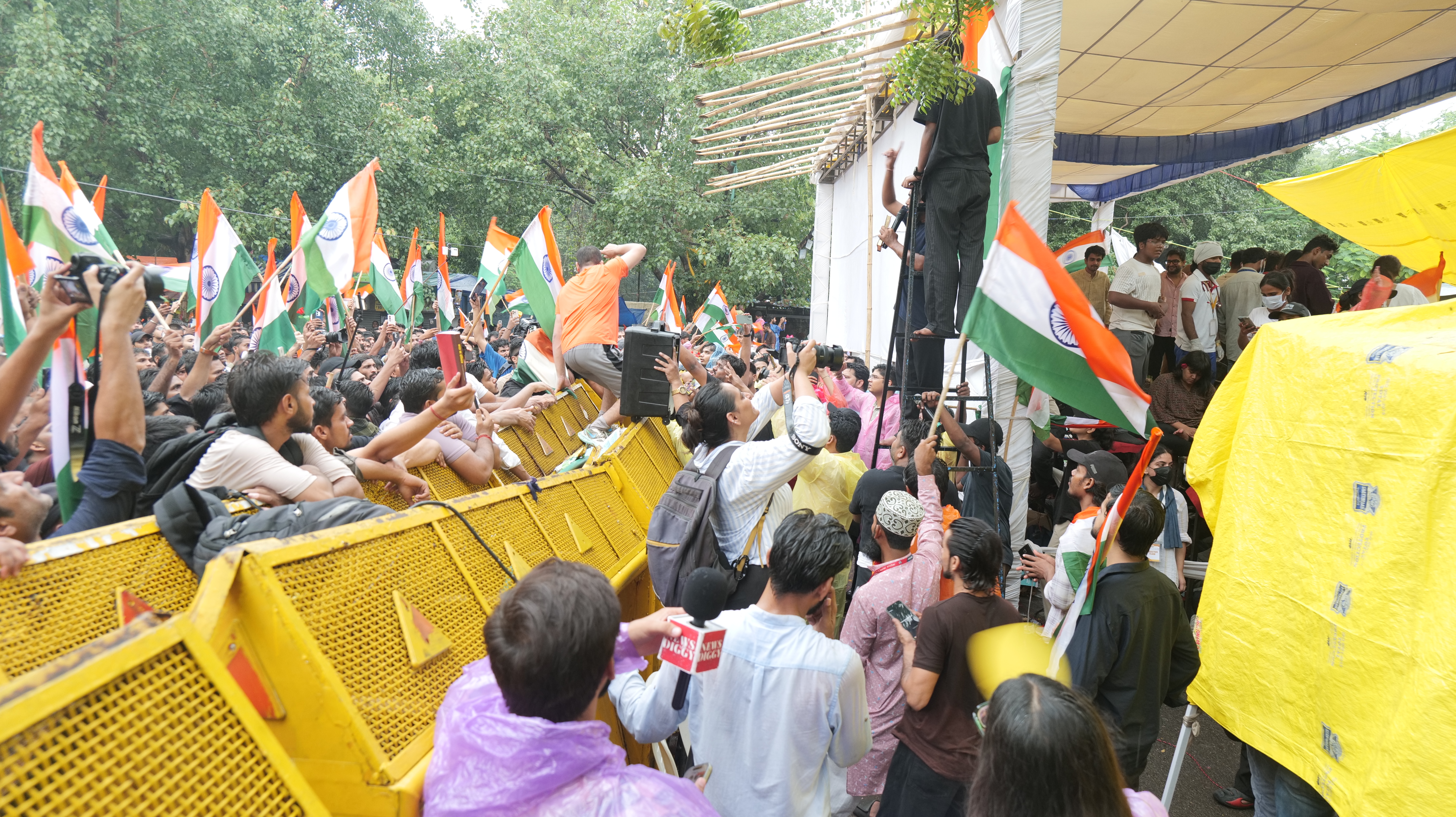
In hours, what started out as one of Jantar Mantar's contained sit-ins, became one of the biggest security threats in central Delhi in recent years. The Chalo Sansad march soon gained momentum and started approaching the Parliament Street police station in front of the Parliament building after crossing several police barricades put up by the Delhi Police, which had surrounded the event.
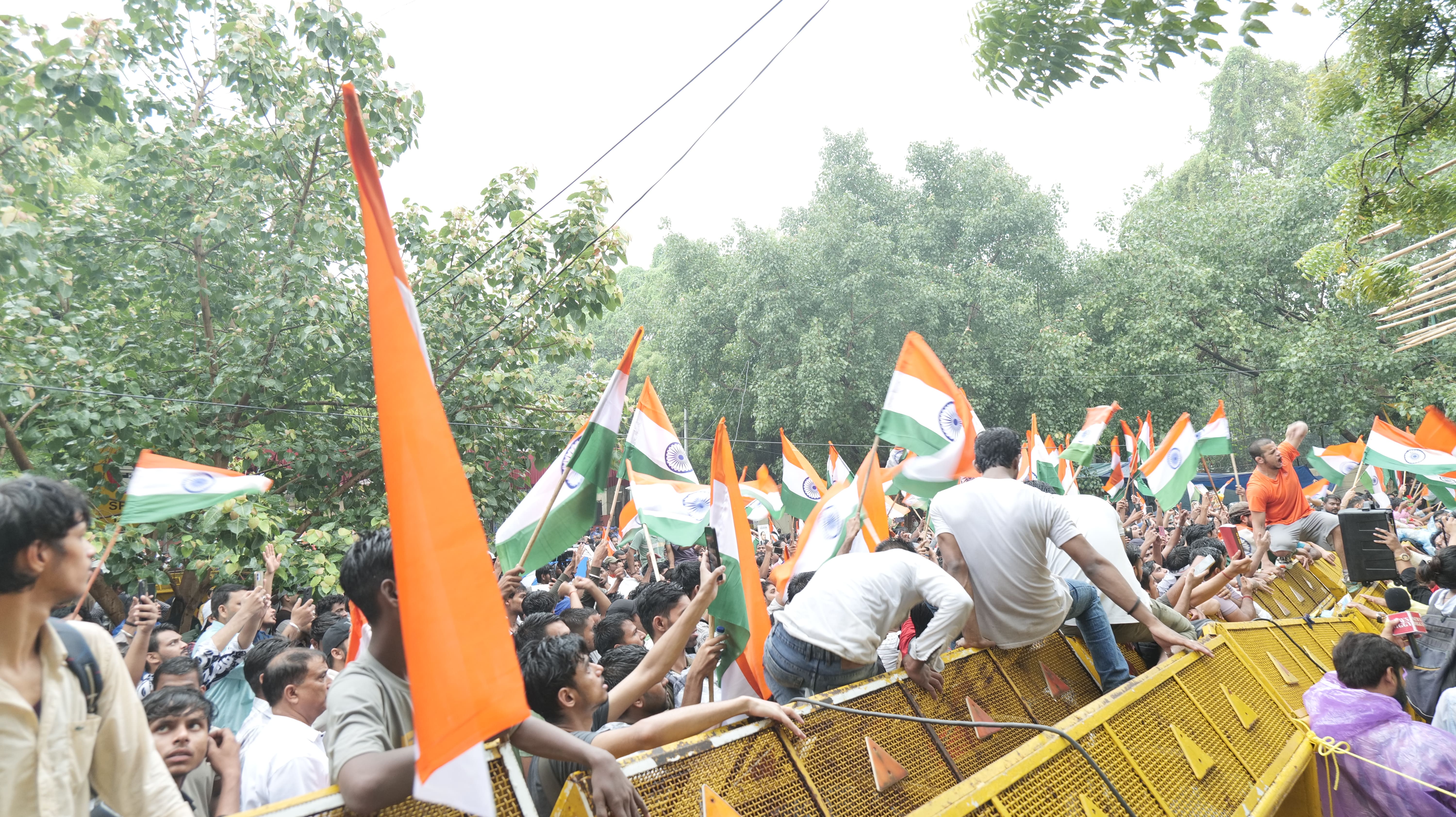
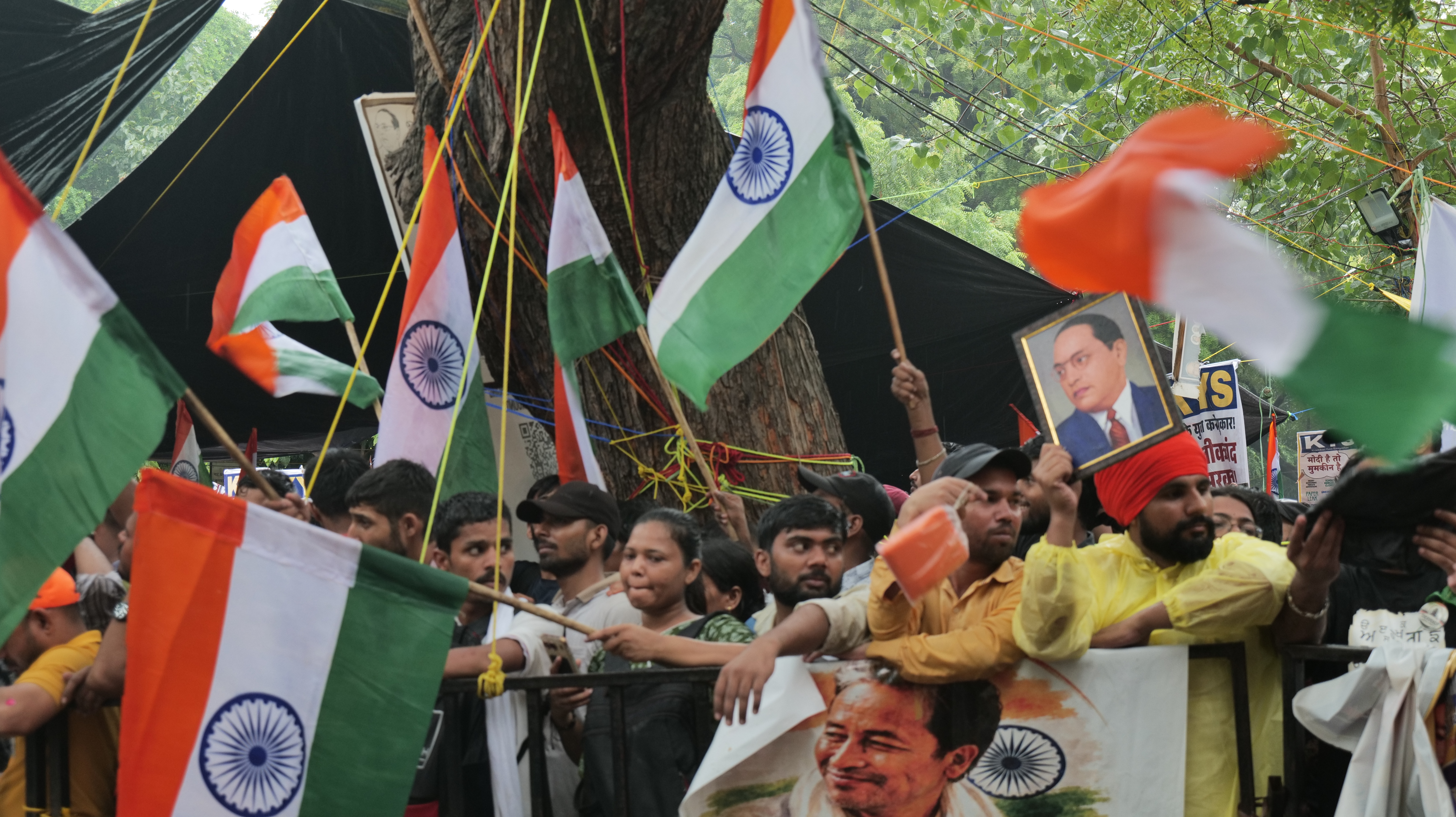
As the march of Chalo Sansad grew to more than 10,000, the participants stormed several police barricades that had been set up by the Delhi Police on the path to the Parliament and reached the vicinity of Sansad Marg.
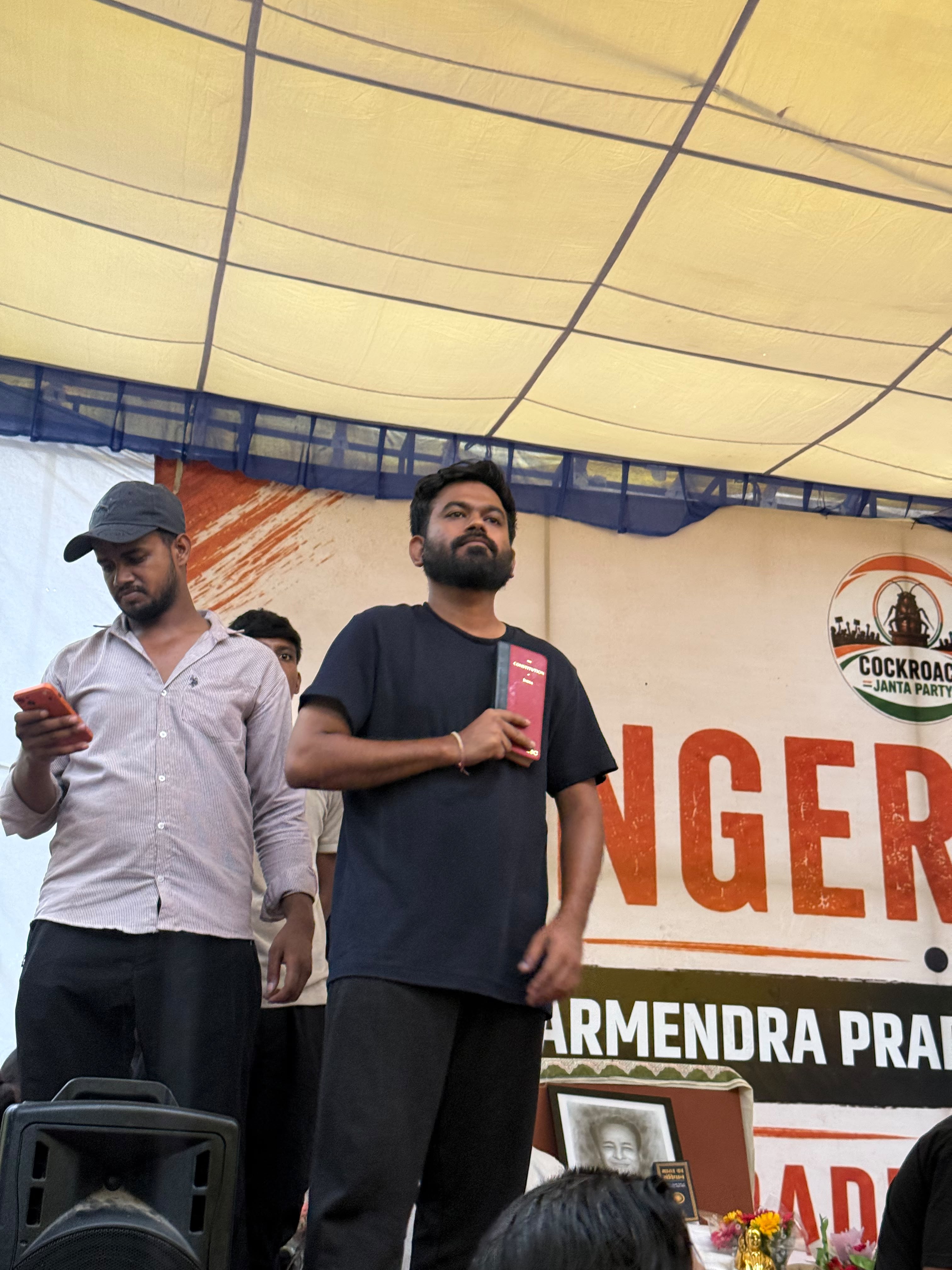
Meanwhile, the visuals and eyewitness reports from the ground recorded the security personnel were left dazed and confused with the volume of people coming in from various directions simultaneously, including the presence of heavy numbers of people who had come to Mandi House Metro Station and then started moving towards Jantar Mantar and onwards. The perimeter defences were not enough and officials were forced to call in reinforcements.
Escalation Near Sansad Marg
There were standoffs as protesters started to clash with the police as they pushed against the barricade at the Tolstoy Marg-Sansad Marg intersection. Police deployed tear gas shells and baton charges at various locations along the way to try and disperse the crowd before it arrived at Parliament House complex. Entry into Parliament was then further limited, and further staff were brought on to maintain security.
Disruption was compounded by Metro services, which had a number of stations in central Delhi temporarily closed for entry and exit gates, including those near Jantar Mantar and Parliament, to stop fresh crowds adding to the numbers already on the streets, authorities said.
Count the Police That Was Not Expected
The level of participation also seems to have been much more than security planners had envisioned when permission to march was withheld and prohibitive orders issued under Section 163 of the Bharatiya Nagarik Suraksha Sanhita.
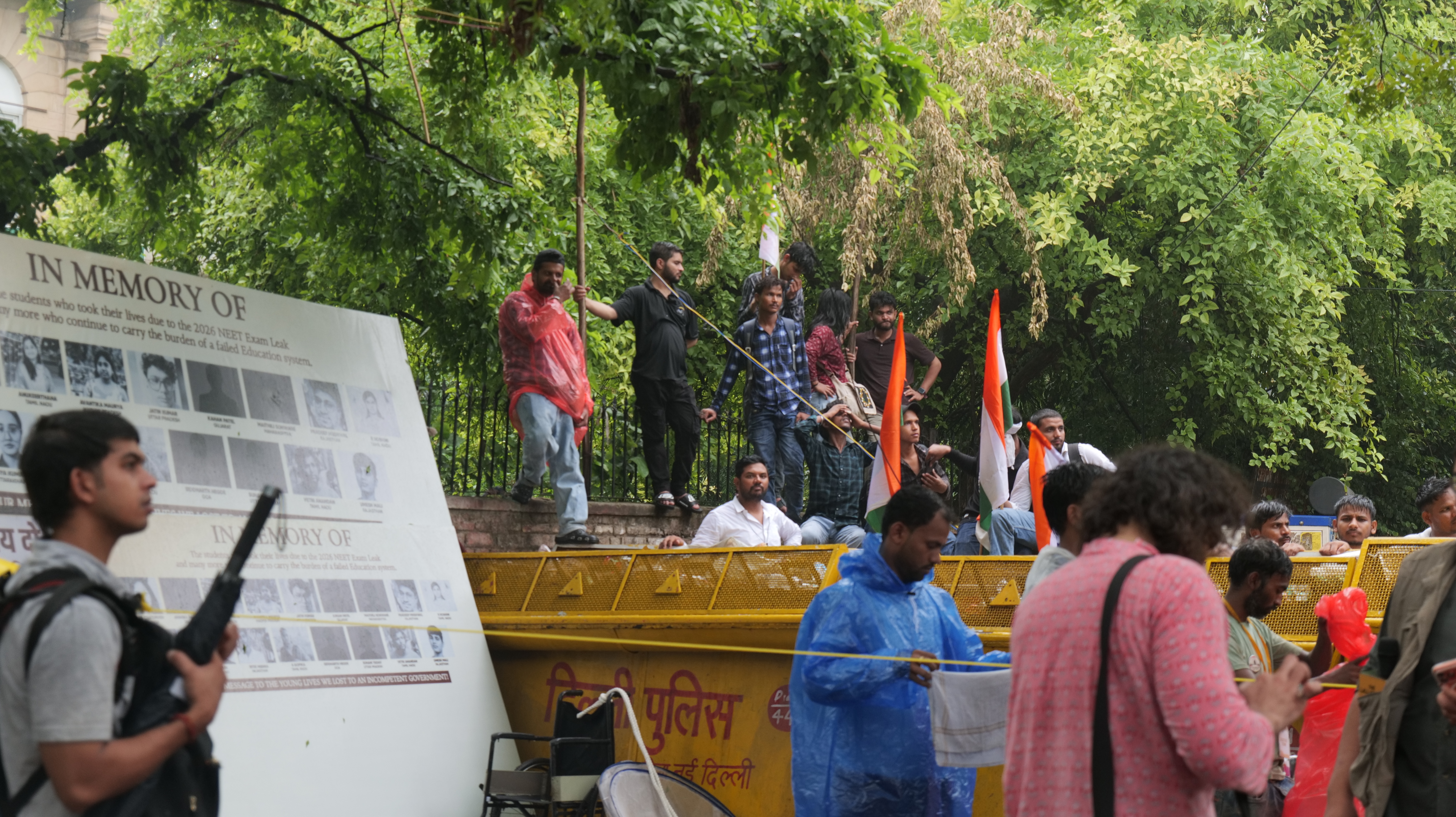
Even before the march started, CJP estimated that about 20,000 people had converged in and around Jantar Mantar, which would have put a strain on the usual security guard who are normally deployed at the protest site.
The unexpected volume also added to the larger story of the march, as the number of people keeping in sympathy grew after Sonam Wangchuk's transfer from his hunger strike site to Safdarjung Hospital two days ago, which supporters termed as an attempt to “defuse” the protest. Rather, subsequent to it, participation seems to have been increasing.
The situation following the stand-off and as it continues
As the day went on, injuries were reported on both sides of the barricades, including among the protesters and police personnel. As the security situation around Parliament remained tense, CJP officials were by evening meeting with Union Health Minister J.P. Nadda during the protest, which was supposed to be contained in Jantar Mantar and was a test of the outer limits of Delhi's security apparatus for the opening day of the Monsoon Session.
Closing Line
A barricade can be as strong as the planning that goes into it, and on Monday, Jantar Mantar's barricade was weaker than Parliament's doorstep.
Latest News
- ◆NSE's $2.3 Billion IPO Draws Over $10 Billion In Bids
- ◆India-New Zealand Free Trade Pact To Take Effect October 20
- ◆Tata Group Governance Feud Deepens Over Chandrasekaran's Term
- ◆India Reaffirms Push For Constructive Ties With Bangladesh
- ◆Teen Gang-Raped Near Delhi Temple, One Suspect Held In Encounter