
Putin Says Cooperation Is Growing on Northern Sea Route
India is among the key countries showing interest in cooperation
Synopsis
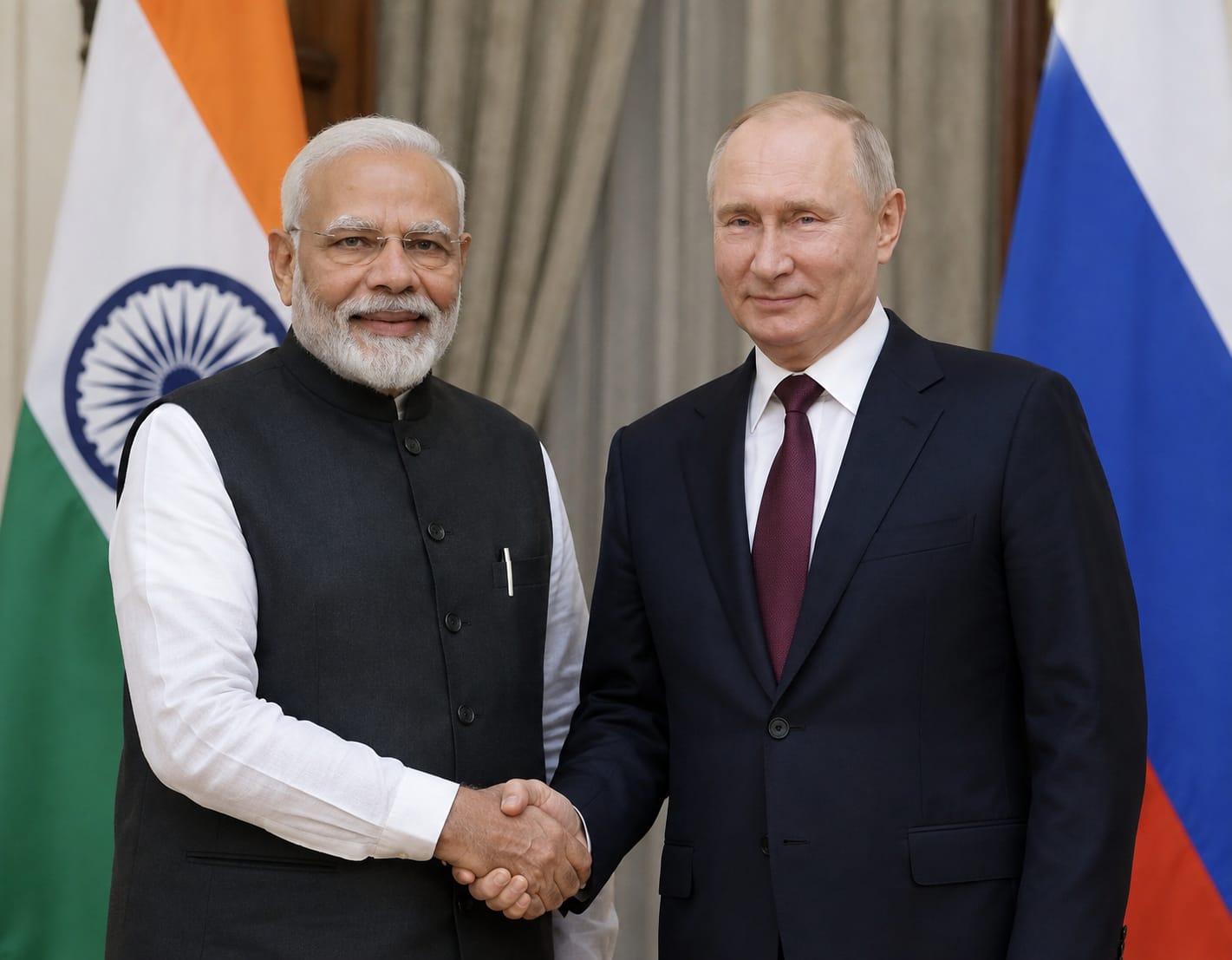
President Vladimir Putin said that India is among the key countries exploring cooperation with Russia on the Northern Sea Route (NSR), adding that Moscow is witnessing increasing engagement from Asian partners, particularly India and China, as it pushes to expand Arctic shipping and redirect trade flows eastward.
The Growing Interest
On August 12, 2026, Putin said that amid Western sanctions on Moscow over the Ukraine conflict, there is a seemingly growing interest among Russia’s “partner” countries, including India, in engaging with the Northern Sea Route (NSR). He added that India is among the key partners showing interest in cooperating on the Arctic shipping route.
The Tensions
While addressing a meeting with Pacific Fleet personnel on the missile cruiser Varyag, Putin warned of rising “artificial tensions” in the Arctic, attributing them to the activities of external actors, which include the expansion of the North Atlantic Treaty Organisation (NATO).
Putin has, however, stressed over the fact that cooperation on the NSR front remains within a framework of “international maritime law” and that Russia has always openly expressed its readiness to leverage the advantage of the Northern Sea Route. This was met with growing interest from countries, namely India and China, who wished to engage.
Warnings of Retaliation
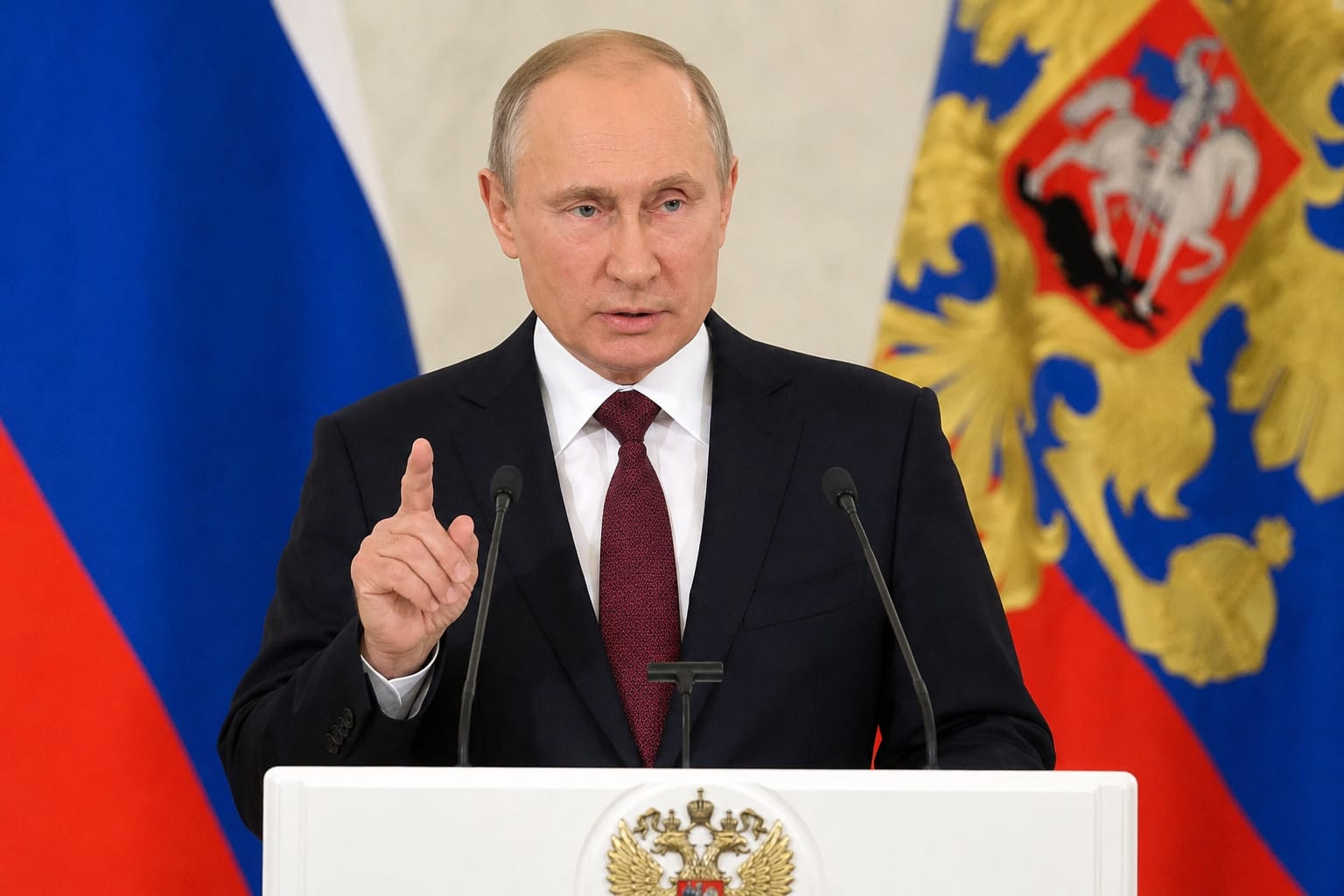
If European nations confiscate Russian merchant ships, then Putin has warned that there will be retaliation from Moscow and that it will be “in kind”. All this comes amid increasing tensions from the European Union (EU) targeting the nation’s so-called shadow fleet.
Putin went on to assert that any confiscation of Russian vessels would constitute “piracy and banditry”.
The Russian president further cautioned that the retaliatory attacks will not be restricted to the areas where the Russian maritime vessels might be detained. Therefore, hinting that the consequences could be dangerous.
The European Union’s Response
These remarks have been followed by intensified efforts from the EU aimed at restraining Russia's shadow fleet, a designation which is applied to ships that are suspected of facilitating the circumvention of Western sanctions, including restrictions imposed on crude oil exports.
The European bloc has broadened its sanctions regime to cover hundreds of vessels, with certain European states holding back ships and crews for inspection. Additionally, several governments have said that they are discussing stricter maritime enforcement protocols against ships suspected of evading sanctions.