
SC Flags 'Enormous Issues' With Anti-Defection Law
The apex court issues notice on Kapil Sibal's plea challenging how the Tenth Schedule's merger exception shields legislators from disqualification
Synopsis
The Supreme Court has set a deadline for the Centre for appearance before it on a petition by Senior Advocate Kapil Sibal against the interpretation of the provision, popularly known as merger exception, under the Tenth Schedule of the Constitution of India that bars members of legislatures from contesting elections again in a party merger. Even though it challenged the constitutional path the petition took, the bench called the issues raised “enormous.”
The Petition
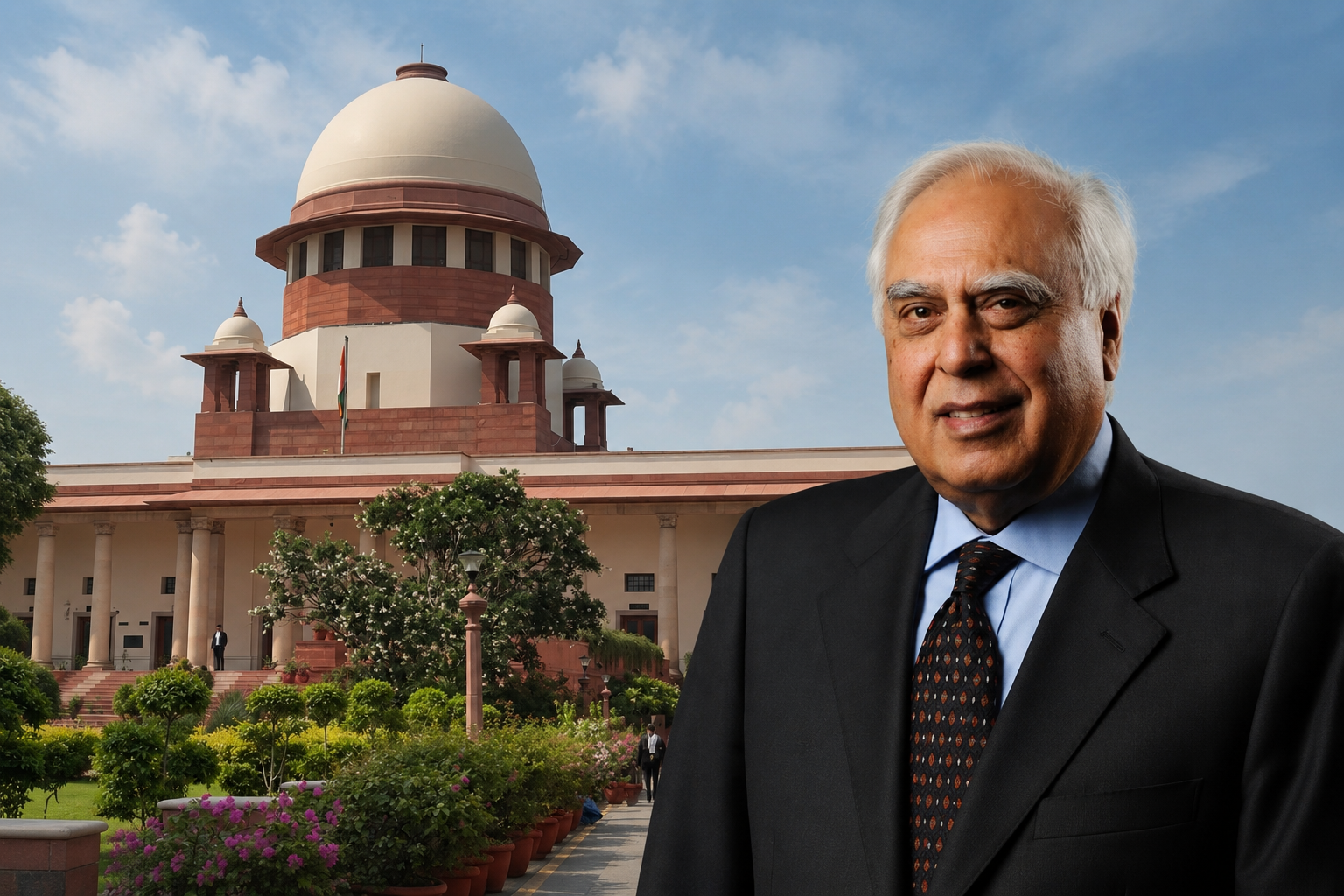
The Supreme Court on Monday sent notice to the Union government regarding a writ petition filed by Senior Advocate Kapil Sibal, who was representing himself, to question the meaning of the Tenth Schedule, which authorized legislators to not be disqualified under the anti-defection law by joining a political party through a merger.
Sibal's plea is for a determination that the "deemed merger" analysis contained in Paragraph 4 of the Tenth Schedule does not permit two-thirds of a legislative party to be immune from disqualification merely because the parent party has not merged nor sought to merge.
In Court
Before issuing notice, a bench of Justices P.S. Narasimha and Alok Aradhe briefly heard Sibal, one of whom questioned at the beginning why the Article 32 route was being invoked. Sibal replied that a related case involving Goa is pending before the same bench, where he said that a merger could change an electoral majority to minority verdict and vice versa.
The bench remarked that there are “enormous issues” with the anti-defection law, pointing out that a large number of the issues that are ongoing, are because of the way the courts have interpreted the law framed by the legislature.
The Political Backdrop
The petition comes in the wake of recent incidents when members of Aam Aadmi Party, Trinamool Congress and Shiv Sena (UBT) have joined Bharatiya Janata Party and other parties invoking the merger clause.
A separate plea of Shiv Sena (UBT) challenging the Lok Sabha Speaker's approval of some of its MPs being merged with the Shinde fold has been filed before the same bench and Sibal's petition will be tagged along with it.
Why It Matters
The case brings back to court the present Supreme Court had ruled on extensively in Kihoto Hollohan V. Zachillhu (1992), where the validity of the Tenth Schedule was upheld. If the bench narrows the merger exception, it may limit a method several regional parties have relied on over the years to alter legislative arithmetic, and will have clear implications for the future of party discipline and voter mandates.
Latest News
- ◆NSE's $2.3 Billion IPO Draws Over $10 Billion In Bids
- ◆India-New Zealand Free Trade Pact To Take Effect October 20
- ◆Tata Group Governance Feud Deepens Over Chandrasekaran's Term
- ◆India Reaffirms Push For Constructive Ties With Bangladesh
- ◆Teen Gang-Raped Near Delhi Temple, One Suspect Held In Encounter