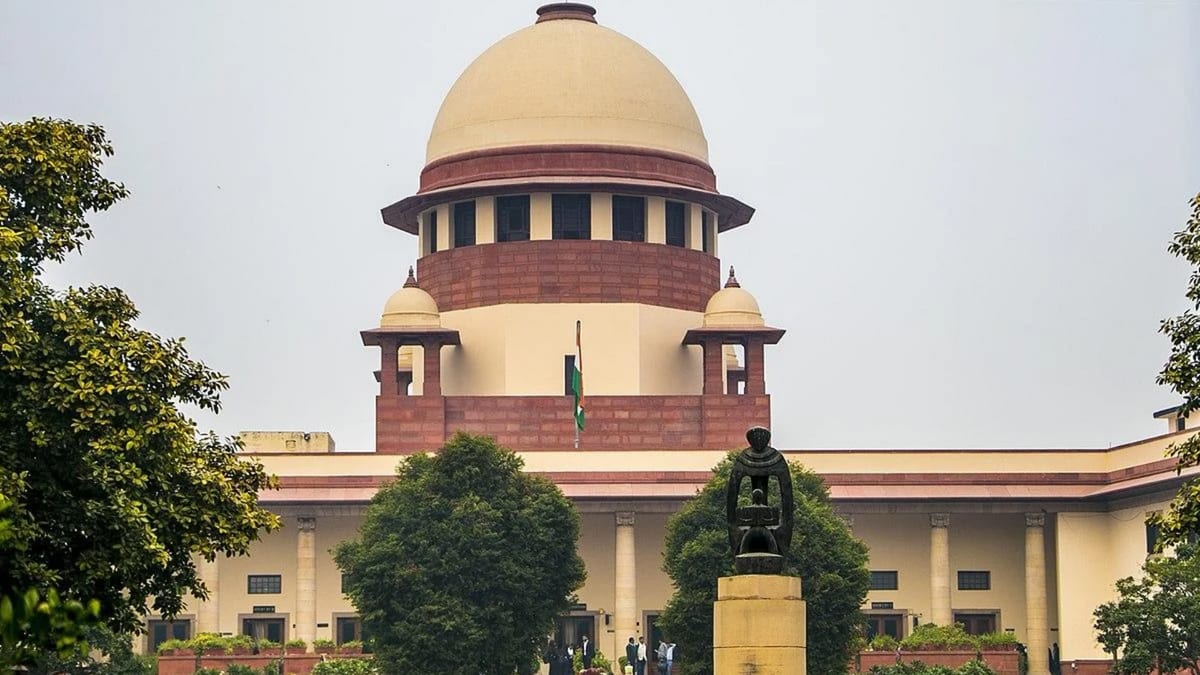
Supreme Court Presses RBI to Make Banks Compensate Digital-Arrest Fraud Victims
A three-judge Bench said the central bank’s proposed cyber-fraud rules must carry a liability clause, with compensation not lower than the amount lost
Synopsis
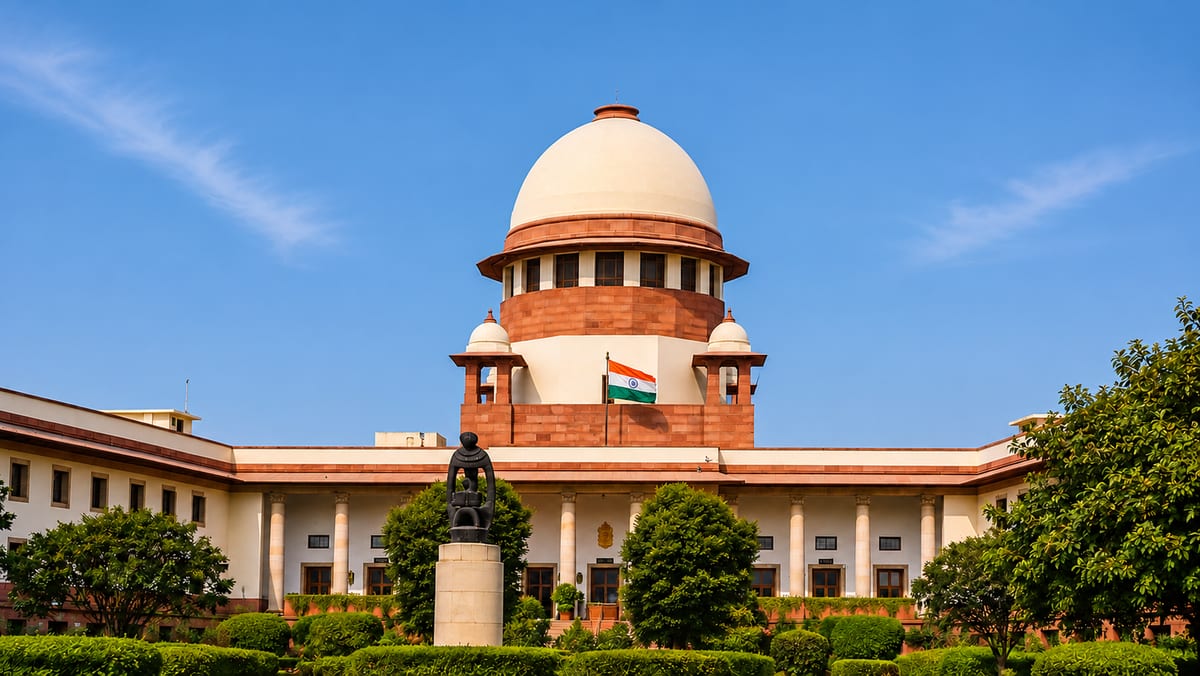
The Reserve Bank of India's draft cyber fraud guidelines "must" also include a provision for the banks to pay damages to the victims of cyber fraud where they have failed to exercise due diligence or care in preventing the fraud, the Supreme Court said on Thursday. The Bench, in a suo motu case, stated that it will impose judicially a liability clause on the rules if it is missing. The Attorney General wanted time, proposing that the notification take place by November 30 and its operation by December 31.
A clause that imposes a liability
The Supreme Court on Thursday directed that the proposed guidelines by the RBI on "digital arrest" and cyber fraud must make financial institutions liable to compensate the customers for the losses suffered due to "defects in the due diligence" and the amount of compensation shall be at least equal to the loss suffered by the customer.
A Bench of Chief Justice of India Surya Kant and Justice Joymalya Bagchi and Justice V. Mohana was hearing suo motu proceedings instituted after the loss of ₹1.05 crore by an elderly couple in a scam, allegedly using fake judicial orders.
The amount would not be lost, the Chief Justice said, noting the employees shouldn't be the ones solely responsible for that. If the draft doesn't include a liability component, then the Court will impose it by issuing an order to do so, he added.
Prevention, not post-mortem
The Bench recommended that restrictions be put in place, such as temporary suspensions of suspicious transactions, automatic reporting and physical verification. The Chief Justice queried why should an unusually large withdrawal from the pensioner's account not necessitate action before the money was gone? It would, he added, be “report will be post-mortem, what about prevention?” while banks haggle over settlements of crores in the loan-recovery process.
Scale of the problem
Senior Advocate N.S. Nappinai, appearing on behalf of the Court as amicus curiae, said the woman had lost ₹2.5 crore, out of the total of ₹800 crore reported lost in digital-arrest scams this year. The Court had earlier directed a CBI investigation in such cases throughout the nation including alleged involvement of bank officials in conniving with scamsters.
The scam is carried out through audio and video calls, where scammers pretend to be from the police, agency or court.
The Government’s position
The Attorney General R. Venkataramani told the RBI that fraud incidents had been prevented by the employees and that complaints were down by some 50 per cent. He asked for some time to integrate the technology and said he would notify by Nov. 30 and start operations by Dec. 31. In another report of the hearing, he had stated that the question of penal action against banks should be taken up by RBI instead of the Court.
The Bench had directed the RBI to provide the draft regulations and a roster of authorised financial institutions and the police chiefs of States and Union Territories to furnish report on FIRs, investigations and preventive measures. It also talked about the optional kill switch feature for WhatsApp and call warnings. Senior Advocate Kapil Sibal expressed some reservations over valid medical consultation, but was open to an 'opt in' option.
The issue will come back on November 30, when the Attorney General proposed the notification of the rules. This is the first of many tests to see how well the framework lives up to the Court's expectations.
Latest News
- ◆PM-KISAN’s 24th Instalment Sends ₹18,690 Crore to 9.34 Crore Farmers
- ◆Heavy Rain Brings Delhi Its Cleanest October Air Day in Four Years
- ◆Reliance Industries Posts Record Quarterly Profit of ₹29,550 Crore on Refining Strength
- ◆Jio Platforms Reports 13.7% Profit Growth in First Results After Listing
- ◆Brent Crude Settles at Six-Month High of $117.64 After Hormuz Tanker Attack
Read More
Supreme Court Directs EC to Examine Bulk Voter-Deletion Forms in Uttar Pradesh
Supreme Court: Consensual Intimacy Cannot Become Rape Merely Because a Relationship Ends