
Ten Days On, Nepal Pulls Survivors From Ruins
As the combined Nepal-China flood death toll climbs past 1,375, rescuers found two survivors alive in separate search operations along the Trishuli River
Synopsis
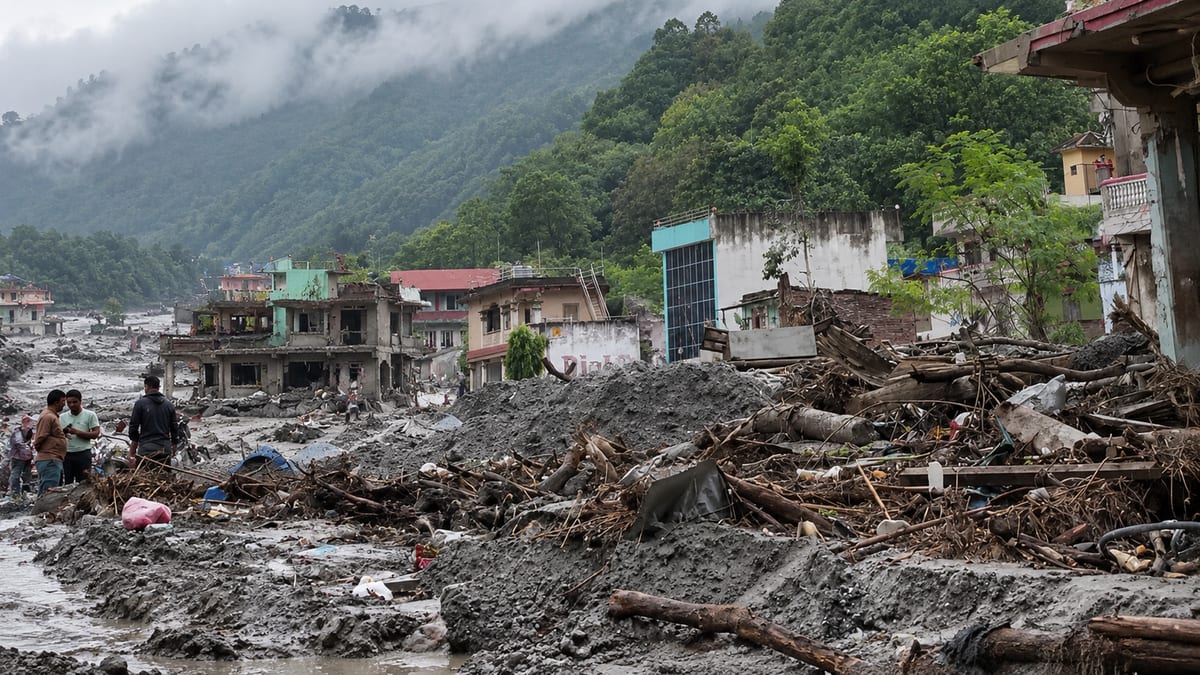
Rescuers rescued two survivors from the rubble on September 5, 10 days after flash floods ravaged the Nepal-China border region. Authorities on both sides of the border say the combined death toll has risen to at least 1,375 people, more than 5,000 remain missing.
Miracles in the midst of a lot of grief
Nepal's worst natural disaster in recent history is now in a dark second phase, where there are rare glimpses of hope, but the death toll is inexorably rising. On Saturday, two people survived the deadly flash flooding which submerged entire river-side communities 10 days ago, giving a glimmer of hope in an area battered by water, ice and mud.
Two Survivors, Two Stories
Lu Haitao, who was also a Chinese national, was rescued from the hydropower tunnels where hundreds of other tunnel workers are still missing, while Chandika Shrestha (60) was located down river on the upper floor of a four storey building in devastated community Betrawati.
Shrestha's survival was almost against the expectations of her family, who had started to perform last rites almost since the floods started as so much time had passed that they had thought she was dead, a local official said.
Lu Haitao's story was a reminder of the trauma, and the tenuous hope of rescue crews. The victim reported seeing lights up and down the tunnel he was trapped in for many long days, but couldn't draw the attention of the searchers until they came into the tunnel with lights directly on him, and at the time that he could not have believed was true.
By the Numbers, The Human Cost
Search and rescue operations continue along the Nepal-China border with the death toll in both countries now confirmed as 1,375.
The number of those who had not been accounted for was staggering: earlier official reports from the disaster management authority of Nepal indicated that nearly 12,000 people had been rescued so far in Nepal by early September, while about 4,500 people, including hundreds of foreigners, were yet to be accounted for at that time on both sides of the border.
Trapped Workers, Unheard Voices
The most horrific of the many reports is of workers from the hydropower stations that it is suspected are still trapped under the Trishuli River project sites.
Still not knowing his brother's fate, Krishna Poudel added an image of his younger brother Ishwor, 26, a worker in a hydropower project, to a board of posters that had scores of missing persons; those who escaped from the tunnels told him they heard voices of about 200 to 300 people yelling inside.
Why It Matters
The disaster, triggered by an ice-rock avalanche that unleashed catastrophic mudslides across the Nepal-China border, as reported by Xinhua in contemporaneous reports, has highlighted the acute vulnerability of the hydropower infrastructure in the Himalayas to glacial events that are tied to climate change, something disaster-management agencies in the region have been warning about for years, but without a corresponding increase in investment in early-warning systems.
International Response
Relief work has been accompanied by diplomatic efforts: the Chinese ambassador to Nepal visited Lu Haitao in hospital after his rescue, indicating that the tragedy occurred across borders, and that the countries have jointly coordinated efforts to rescue the victim.
Outlook
The rescue workers are now struggling with both the harsh topography and the time, and it is privately acknowledged that more survivors are unlikely to be found, making the focus now on recovery, identification and eventual reconstruction of the damaged communities in the Trishuli valley.
Latest News
- ◆CJP Leaders Saurav Das and Ashutosh Ranka Released from Judicial Custody
- ◆SBI Admits Exposure of its Customer Data
- ◆Ramayana: Rise of a Legend Retells a Story That Never Grew Old
- ◆Victoria’s Secret 2026: Redefining Beauty on the Runway
- ◆From Jane Austen to Jenny Han: How Literature Reflects Changing Human Relationships