
From Jane Austen to Jenny Han: How Literature Reflects Changing Human Relationships
Darcy’s proposals, Lara Jean’s letters, and everything in between: how literature shaped our relationships
Synopsis
Somewhere between a Regency ballroom and a summer in Cousins Beach, love stories got a major glow-up. The heart wants what it wants, but what it’s allowed to want, and who gets a say, has changed a lot. So let’s take the scenic route. Shall we?
Before Situationships, There Was Mr Collins
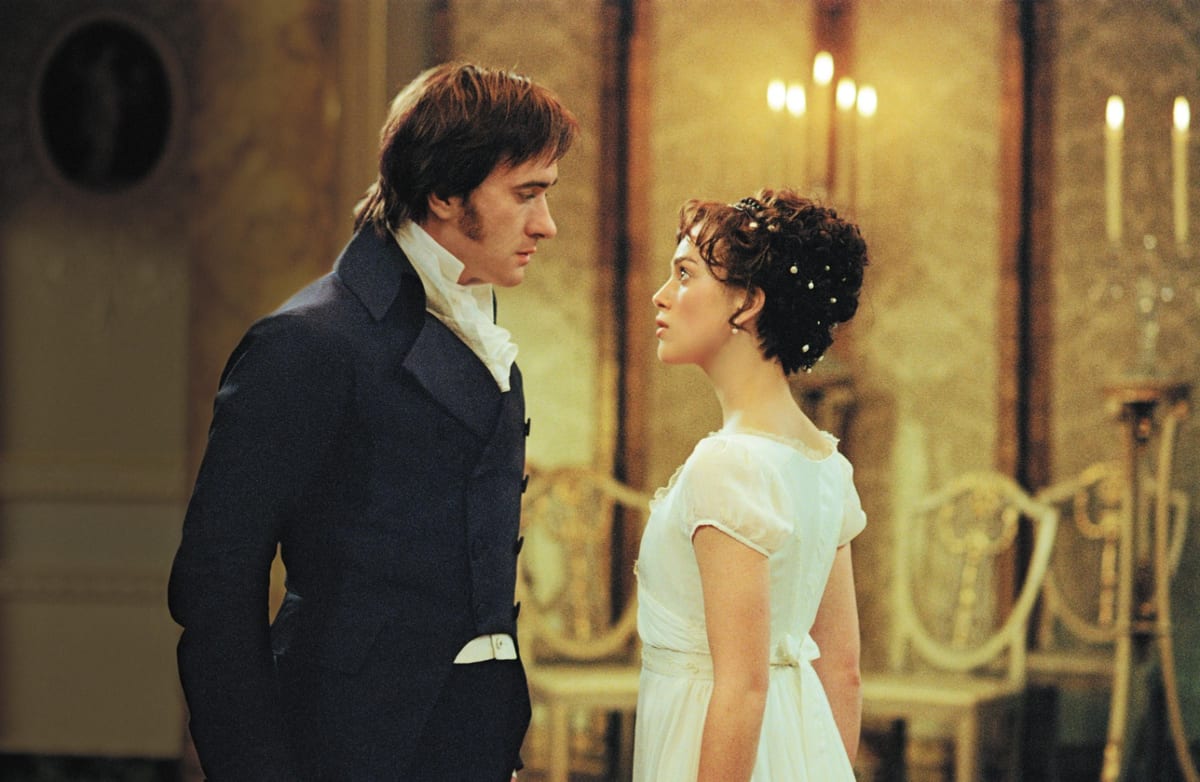
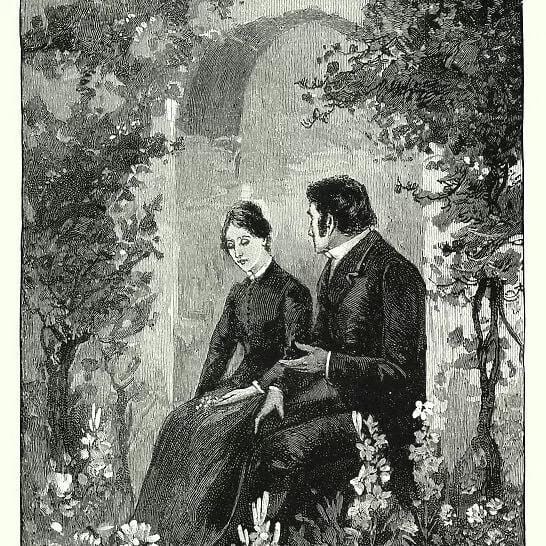
“It is a truth universally acknowledged, that a single man in possession of a good fortune, must be in want of a wife.” Jane Austen always had a knack for writing that immaculate feeling; it may make you swoon or make you roll your eyes, but it's perfect nonetheless. In Austen’s world, marriage was practically treated as a career move. Your choice of husband could determine your financial security, social standing and future.
Just ask Charlotte Lucas, who settled for the insufferable Mr Collins, while Elizabeth Bennet turned down both him and Darcy’s first proposal because she wanted the respect before the rank. Turns out, a wealthy husband was great, but one with a superiority complex? Not so much.
That's why Austen’s romances are beloved: she shows how her best couples had to grow before getting their happy ending. Darcy’s real growth begins when he questioned his pride and decided to became a person worth enough of Lizzie’s love. But Austen had more than one kind of romantic hero up her sleeve. In Emma, Mr Knightley delivers one of the most understated confessions in literary history: “If I loved you less, I might be able to talk about it more.”
Meanwhile, Captain Wentworth in Persuasion writes a love letter so devastatingly romantic that modern dating culture barely stands a chance: “You pierce my soul. I am half agony, half hope.” And that was the Regency era for you: slow burns, dramatic letters, marriage negotiations and enough unspoken feeling to fill an entire room.
And while the corsets, carriages and social rules might feel worlds apart, right now, the underlying questions are surprisingly familiar. Who should you choose? Is love enough? And should you really have to settle for someone just because everyone else thinks they are a good match?
Love as a Thunderstorm, With Boundaries
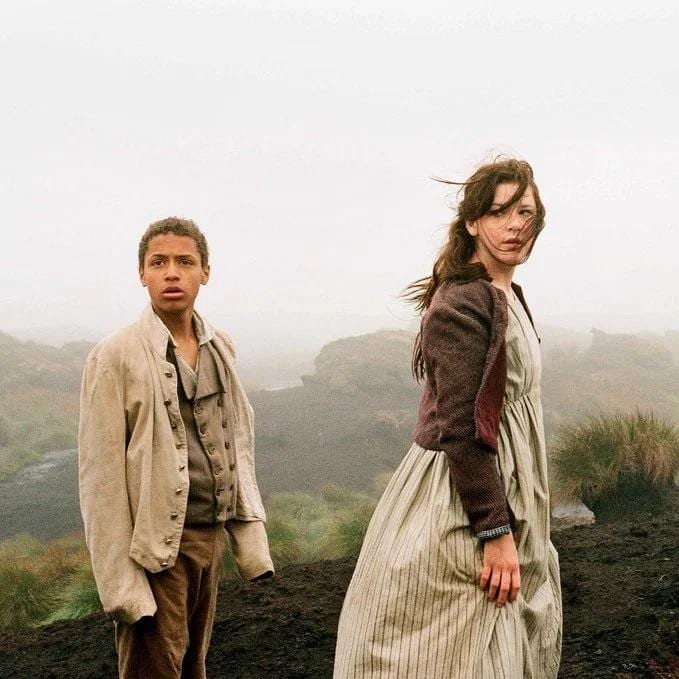
Then came the Brontës, asking, “What if love was a storm?” In Wuthering Heights, Catherine declares, “Whatever our souls are made of, his and mine are the same.” Romantic or deeply concerning? Depends on whom you ask. Her relationship with Heathcliff was fuelled by obsession, revenge, and jealousy, proving that intense love doesn’t always mean healthy love. Brontë here shows that sometimes the soulmate fantasy is just two people bringing out the worst in each other.
Jane Eyre, however, offers a very different kind of a love story. Jane loved Mr Rochester, but when that love threatened her independence, she refused to comply, declaring “I am no bird; and no net ensnares me.” She then leaves rather than compromise her principles, builds a life of her own and returns only when she can choose him without costing herself or her freedom. Her eventual declaration, “Reader, I married him,” feels all the more satisfying because she chose that without sacrificing one bit of herself.
And that is where the Brontës become surprisingly relatable. We all, at some point in our lives, have romanticised the all-consuming love story, where a person’s emotional unavailability is a big part of their appeal. Somewhere along the way we started treating suffering as proof of love, as though the deeper the hurt, the real the love must be. But loving someone should not feel like a full-time job where you are constantly trying to earn basic affection.
The Brontës understood that love could be messy, irrational and deeply consuming, but their stories also show us its consequences. Catherine and Heathcliff become a warning that passion doesn’t promise indestructibility, while Jane Eyre reminds us that walking away does not mean you never loved someone. Austen taught us to look beyond the man’s fortune, but the Brontës taught us to look beyond the butterflies. Because sometimes for your final act of love all you can do is walk away.
The Art of Not Moving On
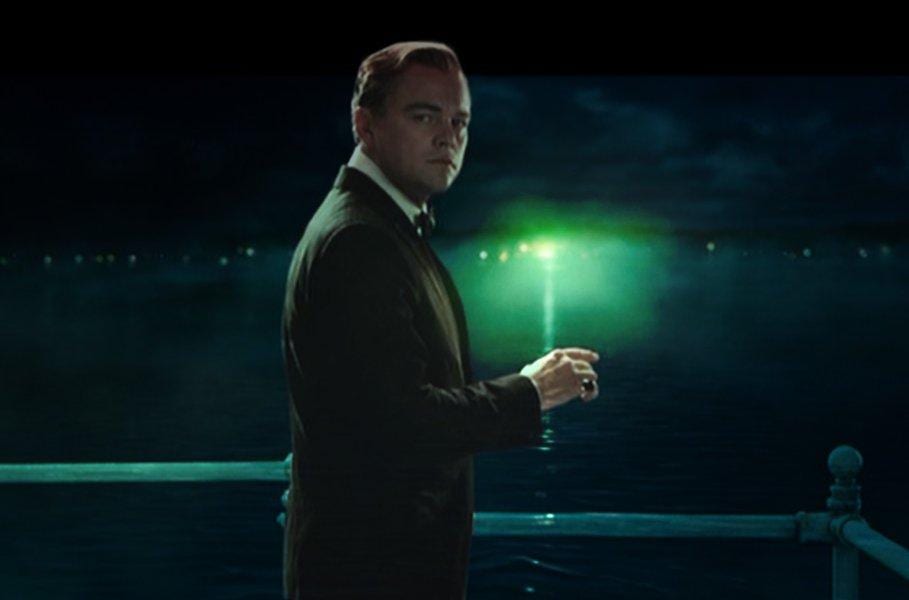
F. Scott Fitzgerald gave us The Great Gatsby, a man who shows that money can buy a mansion; it can allow you to throw legendary parties, but it won’t get you the girl. Jay Gatsby spent years building a life around Daisy, hoping to rekindle the romance they shared before she married someone else. Even when Nick suggested that the past cannot be simply repeated, Gatsby confidently replied, “Can’t repeat the past? Why of course you can!” Unfortunately, Gatsby was chasing something beyond Daisy; he was chasing an alternative version of his life, the ‘what could’ve been’, convinced that his sheer determination would make everything fall into place. Spoiler alert: it cannot. But who are we to say anything? We know we’ve been there because, after all, he was just a silly boy in love.
Almost a century later, Gatsby’s obsession feels awfully familiar. We too revisit old chats, romanticise relationships, wondering about all the 'what-ifs’. Sometimes, we fall in love with someone's potential or with the memory of who they used to be, rather than the person standing in front of us. Gatsby's tragedy lies in his inability to accept that people change and time moves on, a that many others find themselves caught in, too. Modern relationships may come with read receipts instead of extravagant parties, but the struggle remains the same: learning when to hold on and when to stop trying to recreate something that no longer exists. Because after all, nostalgia can make the past look beautiful, but its foundation would be riddled with cracks.
Triangles, Fake Dating, and Growing Up
The 2000s and 2010s turned romance up to eleven. From Twilight, which divided readers into Team Edward and Team Jacob, to The Hunger Games, which placed Katniss between Gale and Peeta while she was fighting to survive a dystopian nightmare, to The Fault in Our Stars, which taught an entire generation that it’s too ugly to cry over a piece of literature. These stories made romantic choices feel like questions of identity, paralleling fictional people to real-life crushes.
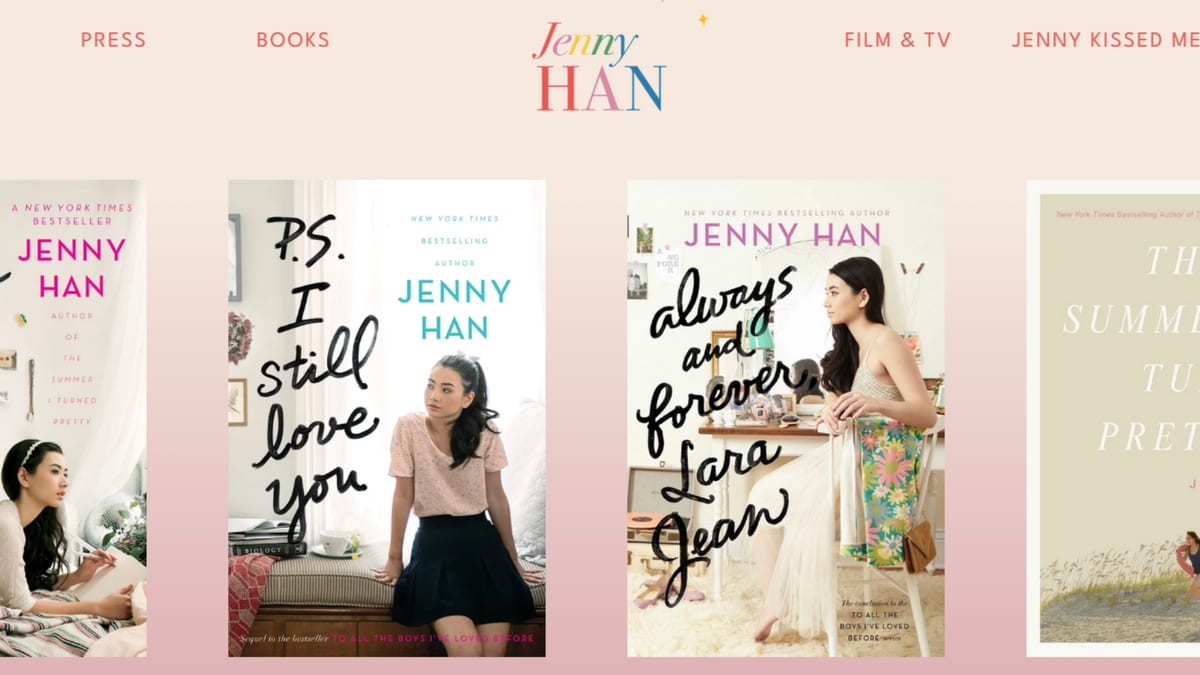
Jenny Han brought a softer curve to romance, something that was familiar to the world. Be it in All The Boys I’ve Loved Before or The Summer I Turned Pretty, beneath the fake dating that feels real and love triangles that really aren’t triangles at all lies a story about growing up, changing feelings and summers that we can never quite recreate.

Han’s characters are awkward, flawed, hesitant, and afraid, making vulnerability more natural rather than embarrassing. Together, such stories give you readers a dictionary so that they understand the vocabulary of love. From fake-dating to friends-to-lovers to choosing between the dependable guy or the complicated one, fiction has shaped what a whole generation expects from relationships.
These stories reveal how love isn’t always about choosing the better person or getting that perfect ending; instead, sometimes it's about figuring out what you want, understanding who you are and accepting that people change. Modern literature didn’t exactly teach us how to love or who to love, but it gave us a great place to start.
The Happy Ending We Are Still Writing
From Elizabeth Bennet and Mr Darcy’s hard-won understanding to Gatsby’s obsession with a love that already had a defined place in his past, such romances have never always been only about falling in love. Jane Eyre showed readers the importance of choosing love without surrendering your independence; Lara Jean reminded us that even that first awkward love is worth celebrating. Every era has a classic love story that was rewritten in the next one, highlighting what the readers long for, yearn for and hope for.
Literature hasn’t simply mirrored our lives; it has influenced them. We have borrowed courage from heroines who refused to settle, learned to question relationships that look romantic but feel wrong, and found comfort in characters who gave a voice to insecurities we couldn't quite explain. Fiction has always shaped who we are, what we want, how to express ourselves even when we aren’t able to and what we deserve. We may not find a Mr Darcy or experience a love story that unfolds like a Sally Rooney novel, but the next time we choose honesty over games, respect over grand gestures, a little of what we might’ve read would be choosing for us, too.
Latest News
- ◆From Jane Austen to Jenny Han: How Literature Reflects Changing Human Relationships
- ◆New Fits, Old Roots: Rethinking Diwali Fashion in 2026
- ◆The Reality Behind the Rocketry: Breaking Down Tesla’s 2028 Roadster Reveal
- ◆Supreme Court Recognises Children’s Right to Internet Access, Cautions Against Blanket Bans
- ◆Supreme Court’s Week: College Fees, Reservation Eligibility and Online Child Safety